Boost Growth: How and When to Repot Your Jaboticaba tree Plant
1
Transplanting your Jaboticaba tree aids in revitalizing the growing medium, supplying fresh nourishment.
2
The optimal periods for relocating your Jaboticaba tree are in Spring and Winter.
3
Employing a soil blend that drains effectively is vital for your Jaboticaba tree's well-being.
Why Replant Your Jaboticaba tree?
Understanding the growth pattern of Jaboticaba tree
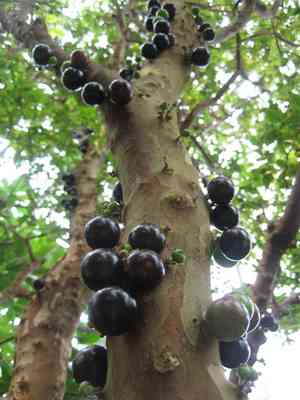
The Jaboticaba tree, native to Brazil, is valued for its distinct growth habit where fruits emerge directly from its trunk. Similar to most fruit-bearing trees, it undergoes phases of active development and dormancy. During these cycles, the tree's root system can become compressed, making transplanting crucial to ensure its continued vitality. When the tree is confined to a small container, its development can be hindered, directly impacting fruit yield.
Indicators that suggest it's time for replanting
There are several clear signs that your Jaboticaba tree requires replanting. These include roots visibly emerging from the drainage openings, the growing medium feeling compacted or 'depleted,' and the plant exhibiting signs of distress such as yellowing foliage or decreased fruit production. Furthermore, if the tree's growth appears stunted or the container feels too light even after watering, it's a definite signal that replanting is necessary.
Advantages of timely replanting
Replanting your Jaboticaba tree at the appropriate moment can yield numerous benefits. It revitalizes the growing medium, ensuring the tree has access to fresh nutrients. This can lead to healthier development, more abundant fruit production, and an overall more resilient plant. Additionally, replanting allows you to inspect the root system, remove any dead or decaying roots, and provide the tree with more room to expand.
Choosing the Correct Container and Growing Medium for Your Jaboticaba tree
Selecting the appropriate pot size
When choosing a new container for your Jaboticaba tree, it's important to select one that is approximately 5-10 cm (2-4 inches) larger in diameter than the current pot. This provides sufficient space for the roots to spread without overwhelming the tree with too much soil, which can retain excessive moisture and potentially lead to root rot.
Characteristics of a suitable container
A suitable container for your Jaboticaba tree should possess effective drainage holes to prevent water from accumulating at the bottom, which can cause root decay. Opt for materials like terracotta or ceramic, which offer superior moisture regulation compared to plastic pots. Ensure the container is robust enough to support the growing tree and won't easily topple over.
Optimal soil blend for Jaboticaba trees
The ideal soil mixture for a Jaboticaba tree should drain well yet be able to retain some moisture. A combination of 50% standard potting mix, 30% perlite, and 20% organic compost works effectively. This blend provides a balance of nutrients and structure, supporting robust root development.
Steps to Replant Your Jaboticaba tree Safely
Prepare your implements and workspace
Before commencing, gather all necessary tools such as protective gloves, a small shovel, pruning shears, and the new container. Organize your work area in a spot that can tolerate some mess, like a garden or a large, covered table, and have all your supplies within easy reach.
Gently removing the tree from its current container
To prevent damage to the tree, water it lightly the day before replanting to loosen the soil. Carefully tilt the pot onto its side and gently slide the tree out. If the tree is resistant, tap the sides of the pot to help dislodge the root ball.
Root pruning and care before replanting
Once the tree is out of its container, examine the roots. Trim away any dead or decaying roots with clean pruning shears. If the roots are tightly packed, gently separate them to encourage spreading in the new pot. Be careful not to harm healthy roots.
Securing the tree in its new location
Place a layer of soil mix at the base of the new pot. Position the tree in the center and fill around the root ball with more soil mix, pressing it down gently to eliminate air pockets. Water the tree thoroughly once it is potted to help the soil settle.
Post-Replanting Care
Immediate care after replanting
After replanting, place your Jaboticaba tree in a location with filtered sunlight to minimize transplant shock. Water it regularly but ensure that the soil is neither too dry nor waterlogged. Maintaining slightly elevated humidity levels can also assist the tree in adapting to its new container.
Long-term upkeep recommendations
For ongoing care, continue to provide consistent moisture to your Jaboticaba tree. Fertilize during the active growth period with a balanced, slow-release fertilizer. Prune the tree annually to maintain its form and remove any dead or diseased branches. Monitor for pests and treat as needed to keep your tree thriving.



