Boost Growth: How and When to Repot Your Great laurel Plant
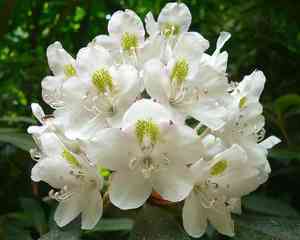
1
The best times to transplant Great laurel are in the early spring and late winter.
2
Select a container with a diameter 5-10 cm (2-4 inches) wider than its present one.
3
Employ an acidic, well-draining soil blend to encourage robust development.
Why Replant Your Rhododendron maximum?
Understanding the growth pattern of Rhododendron maximum
The Rhododendron maximum is an evergreen shrub known for its striking, large foliage and vibrant blooms. Like many plants, it experiences various growth stages, including periods of rapid development and dormancy. Grasping these cycles is vital for determining when and why to replant. As it matures, the plant's root system can outgrow its current container, leading to root-bound conditions where roots encircle the pot, unable to spread and absorb nutrients effectively.
Indicators it's time for replanting
Several signs suggest your Rhododendron maximum requires replanting. These include roots emerging from drainage holes, slower than usual development, and the plant becoming top-heavy or unstable. Another clue is if the soil dries out too quickly after irrigation. By recognizing these indicators early, you can ensure your plant has the necessary space and nutrients to flourish.
Advantages of replanting
Replanting your Rhododendron maximum offers numerous benefits. It provides more room for root expansion, enhances soil quality, and can lessen the risk of root diseases and pests. Fresh potting mix offers superior drainage and nutrient availability, which are crucial for the plant's well-being. Furthermore, replanting can revitalize your Rhododendron maximum, encouraging new growth and a more vibrant display of leaves and flowers.
Selecting the Right Container and Substrate for Rhododendron maximum
Choosing an appropriate pot size and material
When picking a new container for your Rhododendron maximum, select one that is 5-10 cm (2-4 inches) larger in diameter than the current pot. This additional space allows the roots to spread and develop. Opt for pots made of materials that offer good drainage, such as terracotta or plastic. Ensure the pot has sufficient drainage holes to prevent waterlogging, which can cause root rot.
Selecting the optimal soil blend
The Rhododendron maximum thrives in well-draining, acidic soil with a pH level between 4.5 and 6.0. A mixture of peat moss, pine bark, and perlite is ideal. This combination retains moisture while allowing excess water to drain away, preventing the roots from sitting in water. Avoid using garden soil, as it can compact easily and impede root growth.
How to Replant Your Rhododendron maximum Step-By-Step
Preparing the new container and soil
Begin by filling the bottom of the new pot with a layer of fresh soil mix. This base layer provides initial support and nourishment for the roots. Gently press the soil to remove any air pockets, ensuring a stable foundation for your Rhododendron maximum.
Removing the plant from its old pot
Carefully turn the old pot on its side and gently tap the edges to loosen the soil. Hold the base of the Rhododendron maximum and gently pull it out of the pot. Be careful not to harm the roots during this process. If the plant is stuck, you can run a knife around the rim to help release it.
Inspecting and pruning the roots if necessary
Once the plant is out of the old pot, examine the roots for any signs of decay or damage. Trim any dead or excessively long roots with sterilized shears, which helps to stimulate new root development. Healthy roots are typically white and firm, while damaged roots may appear brown and soft.
Positioning the Rhododendron maximum in the new pot
Place the Rhododendron maximum in the center of the new pot, ensuring it sits at the same depth as in the previous pot. Backfill around the plant with the soil mix, pressing gently to eliminate air pockets. The top of the root ball should be level with the soil surface, allowing for proper irrigation and airflow.
Finalizing with proper soil settling and watering
After positioning the plant, water the soil until it is uniformly moist but not saturated. This helps to settle the soil around the roots and provides the initial hydration needed for recovery. Add more soil if necessary to cover any exposed roots, maintaining a level surface.
Aftercare for Your Replanted Rhododendron maximum
Watering guidelines post-replanting
After replanting, water the Rhododendron maximum thoroughly and keep the soil consistently moist. Avoid overwatering, as this can lead to root rot. Allow the top 2-3 cm (1 inch) of soil to dry out before watering again. Adjust your watering frequency based on the plant's needs and the surrounding environment.
Adjusting light and placement
Place the replanted Rhododendron maximum in a location with indirect sunlight. Direct sunlight can be too intense and may cause stress to the newly replanted plant. If you're moving the plant outdoors, ensure it's shielded from harsh elements like strong winds and frost.
Monitoring growth and responding to distress
Keep a close watch on your Rhododendron maximum for the first few weeks after replanting for signs of stress, such as wilting or yellowing leaves. Continue to monitor its growth and ensure it has adequate water, light, and nutrients. If you notice any signs of distress, adjust care routines accordingly and address any issues promptly.



