Boost Growth: How and When to Repot Your Octopus tree Plant
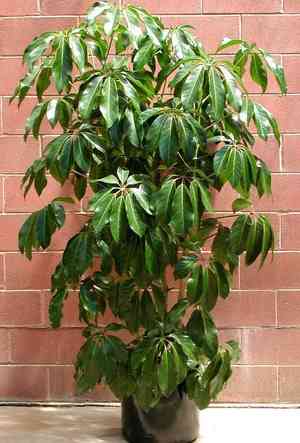
1
Octopus trees thrive when transplanted every two to three years.
2
The optimal period for repotting your Octopus tree is in the spring or winter.
3
Confirm your new container offers adequate drainage to avoid root decay.
Why Replant Your Octopus Tree?
Understanding Growth Patterns: Recognize when more room is needed.
The Octopus tree, known for its rapid development and expansive foliage, thrives on root expansion. Over time, as it matures and continues to grow, its root system enlarges, demanding additional space. When the plant becomes root-boundâwhere roots are densely packed and potentially circling the containerâit can hinder further growth and lead to health problems. More room enables your Octopus tree to absorb nutrients efficiently and sustain its upward and outward growth.
Signs of Distress: Identifying indicators that suggest a need for replanting.
Signs that your Octopus tree requires replanting include roots emerging from drainage holes, wilting despite adequate watering, and a general decrease in plant vitality. Leaves might begin to yellow, and growth could slow. These signals are a call to action, indicating your plant is outgrowing its current home and needs more space to flourish.
Health Benefits: How replanting contributes to plant vigor.
Replanting helps revitalize your Octopus tree by supplying fresh soil rich in new nutrients. This process not only reduces the risk of root-bound issues but also promotes a healthier root system. Fresh soil enhances aeration, water drainage, and nutrient uptake, leading to stronger, more vibrant foliage and overall plant well-being.
When Is the Optimal Time to Replant?
Seasonal Advice: Best times of the year for replanting.
The ideal time to replant your Octopus tree is during spring or winter. In spring, the plant is entering its active growth phase, making it resilient and adaptable to changes. Similarly, winter is a dormant period for many plants, including the Octopus tree, allowing it to settle into its new container without the strain of active growth. Avoid replanting during extreme heat or peak growing seasons as it can stress the plant.
Monitoring Development: Key observations to determine timing.
Beyond seasonal considerations, observe your Octopus tree's development. Indicators such as slowed growth, becoming root-bound, and visible stress signals (like yellowing leaves) will suggest it's time for a change. Ideally, plan to replant every 2-3 years to prevent overcrowding and ensure optimal health.
Selecting the Correct Pot and Soil
Pot Size and Material: Choosing the best fit for your Octopus tree.
When choosing a new pot for your Octopus tree, ensure itâs 2.5 to 5 centimeters (1 to 2 inches) larger in diameter than the current one. This size allows for growth without overwhelming the plant. Opt for pots with drainage holes to prevent waterlogging and root rot. Materials like terra cotta and ceramic are excellent choices as they provide stability and proper aeration for the roots.
Soil Considerations: Best soil mix for health and growth.
A well-draining soil mix is essential for the health of your Octopus tree. Use a blend of potting soil, perlite, and peat moss to ensure optimal moisture retention and aeration. Avoid garden soil, which can be too dense and lead to poor drainage and root diseases.
Step-by-Step Guide to Replanting
Preparing Your Workspace: What you'll need to begin.
Gather necessary tools such as a trowel, a new pot (with drainage), fresh soil mix, and gloves. Ideally, work in an area that allows you to manage soil spills easily. Lay down a newspaper or plastic sheet to minimize mess.
Removing the Plant: Techniques to prevent damage.
Start by watering your Octopus tree a day before replanting to ease rootball removal. Gently turn the pot on its side and tap the bottom to loosen the plant. Hold the base of the trunk and carefully slide the plant out, trying not to damage the roots.
Potting and Aftercare: Final steps and post-replanting care tips.
Fill the new pot with a layer of soil. Position your Octopus tree in the center, then fill around the roots with the soil mix, pressing down lightly to remove air pockets. Water thoroughly after replanting and place the plant in a shaded area for a few days to help it acclimate. Continue regular care but monitor the plant closely for any signs of stress.
Common Challenges and Solutions
Addressing Root Rot: Identifying and managing typical root issues.
Root rot is a serious problem caused by excessive watering and poor drainage. If you notice a foul odor or blackened roots while replanting, trim the affected roots with sterilized scissors. Let the plantâs roots dry out slightly before placing them in fresh, well-draining soil.
Adjustment Period: Managing plant stress after replanting.
After replanting, your Octopus tree may show signs of stress, such as wilting or yellowing leaves. This adjustment period is normal as the plant adapts to its new environment. Maintain consistent care, avoid overwatering, and ensure the plant is not exposed to direct sunlight until it stabilizes.



