Boost Growth: How and When to Repot Your Dwarf umbrella tree Plant
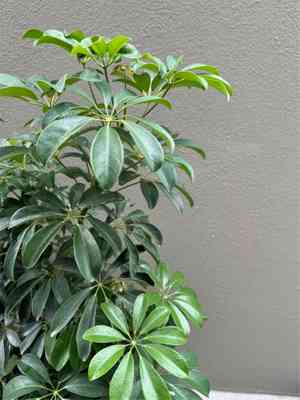
1
Ideal times for repotting: Springtime and Winter.
2
Select a container with a diameter 2-4 cm (1-2 inches) wider than its predecessor.
3
Confirm your potting medium drains effectively to avoid excessive moisture.
The Importance of Repotting for Your Dwarf Umbrella Tree
Understanding the Growth Pattern of Dwarf Umbrella Trees
The Dwarf umbrella tree is a favored indoor plant known for its charming, umbrella-shaped leaf clusters. As it develops, its root system expands and eventually outgrows its container, resulting in restricted root area. This makes transplanting vital for its health and ongoing development.
Advantages of Repotting: Wellness and Visual Appeal
Repotting not only allows the root system to expand and absorb more nutrients but also provides an opportunity to revitalize the growing medium, which may have become depleted over time. Furthermore, selecting a fresh, stylish pot can boost the visual charm of your plant and home decor.
Indicators It's Time for a Repot
Look for clear signs such as roots emerging from the drainage openings, soil that dries out rapidly, or stunted development. These suggest that your Dwarf umbrella tree is in need of more space and nourishment.
Selecting the Ideal Pot and Growing Medium for Your Dwarf Umbrella Tree
Choosing the Appropriate Pot Dimensions and Material
When picking a pot, select one that is 2-4 cm (1-2 inches) wider in diameter than the current container. Materials like terracotta and ceramic are excellent as they offer good stability. Make sure the pot has sufficient drainage holes to prevent waterlogging.
Optimal Soil Blend for Dwarf Umbrella Trees
A well-draining soil mix is crucial for your Dwarf umbrella tree's vitality. Opt for a blend that includes peat, compost, and perlite or sand. This aids in retaining adequate moisture while preventing water from accumulating around the roots.
A Step-by-Step Guide to Repotting Your Dwarf Umbrella Tree
Preparing Your Workspace and Tools
Begin by collecting all necessary equipment: a new pot, fresh potting mix, a small trowel, and gloves. Lay down old newspapers or a plastic sheet to catch any spilled soil. This helps in keeping your work area tidy and organized.
Safely Removing Your Plant from Its Current Container
Gently tap around the pot to loosen the soil. Carefully tilt the pot sideways and ease the plant out, supporting the main stem. Avoid forcefully pulling the plant to prevent root damage.
Transplanting to a New Pot: Techniques and Advice
Place a layer of new soil at the bottom of the fresh pot. Center your Dwarf umbrella tree and progressively add soil around the roots, compacting it gently. Ensure the plant is at the same depth as it was in its previous pot.
Post-Repotting Care: Hydration and Placement
After repotting, thoroughly water the plant to help the soil settle. Position the plant in a location with bright, indirect illumination. Initially, avoid direct sunlight as the plant adjusts to its new surroundings.
Common Errors to Avoid When Repotting Dwarf Umbrella Trees
Excessive Watering After Transplanting
Resist the urge to overwater immediately following repotting. Too much water can lead to root rot, especially while the plant is acclimating. Water only when the top 2-3 cm (1 inch) of soil feels dry.
Utilizing an Unsuitable Soil Blend
Employing the incorrect soil mix can impede plant development. Ensure that the blend is well-draining and rich in nutrients to provide the best growth conditions for your Dwarf umbrella tree.
Choosing an Inappropriate Pot Size
A frequent error is selecting a pot that is either too large or too small. A pot that's too big can cause the soil to hold too much moisture, while one that's too small will restrict root expansion. Aim for a pot that is 2-4 cm (1-2 inches) larger in diameter.



