Boost Growth: How and When to Repot Your Goldmoss stonecrop Plant
1
Ideal Periods: Repotting your Goldmoss stonecrop is best done in spring or winter.
2
Indicators for Repotting: Watch for signals such as roots circling the pot, inadequate moisture retention, and diminished growth rate.
3
Container Selection: Always select a pot featuring sufficient drainage to avoid root decay.
Why Replant Your Goldmoss Stonecrop?
Understanding the Development of Goldmoss Stonecrop
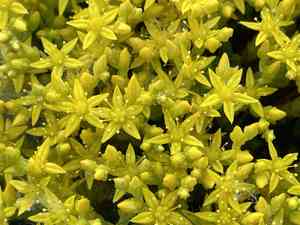
The Goldmoss stonecrop is a robust and easy-care succulent, often valued for its dense, moss-like appearance and bright yellow blooms. As a succulent, it stores water in its leaves, making it especially hardy. However, to support its optimal growth and prevent overcrowding, replanting is crucial. Regular replanting refreshes the substrate, provides more space for root expansion, and ensures the plant receives adequate nutrients.
Identifying Indicators That Your Plant Requires a New Container
Recognizing when your Goldmoss stonecrop needs replanting can be straightforward. Common signs include roots emerging from drainage holes, a compacted root ball, diminished growth rate, or poor water retention. Over time, soil nutrients are depleted, and providing fresh soil can revitalize the plant and encourage healthier development.
When is the Optimal Time for Replanting?
Best Seasons for Replanting Goldmoss Stonecrop
Spring and winter are the ideal seasons for replanting your Goldmoss stonecrop. During these periods, the plant is either emerging from dormancy or preparing for a resting phase, making the transition less stressful. Avoid replanting during the peak growing season in summer or the dormant period in autumn, as this can be more disruptive to the plant's natural cycle.
Key Indicators That It's Time to Replant
Beyond the visible signs of root-bound plants, other indicators include yellowing foliage, stunted development, and soil that dries out quickly after irrigation. These signs suggest that the plant's root system has outgrown its current container and requires more space to thrive.
Selecting the Appropriate Container for Goldmoss Stonecrop
Choosing the Size and Material of the Container
When selecting a container for your Goldmoss stonecrop, consider both size and material. It's best to choose a pot that's 2-3 cm (1-1.5 inches) larger in diameter than the current one to provide ample room for growth. Terracotta pots are an excellent choice as they are porous and allow for better air circulation. Plastic pots are lighter and retain moisture more effectively, which can also be advantageous.
Importance of Drainage for Robust Growth
Drainage is vital for the health of Goldmoss stonecrop. Always opt for containers with drainage holes to prevent waterlogged soil, which can lead to root rot. Adding a layer of gravel or small stones at the bottom of the pot can further enhance drainage and ensure a healthy root environment.
The Step-by-Step Replanting Procedure
Preparing Your New Container and Substrate
Preparation is essential for successful replanting. Start by selecting a high-quality succulent soil mix, which ensures proper drainage and nutrient content. Sterilize the new pot by washing it with soap and water to remove any residues. Make sure to fill the bottom with a layer of gravel or small stones to improve drainage.
Transferring Goldmoss Stonecrop into the New Container
Gently remove the Goldmoss stonecrop from its current pot. Loosen the roots lightly, being careful not to damage them. Place the plant in the new pot, ensuring it's centered. Add soil around the root ball, pressing gently to eliminate air pockets. Water the plant lightly to help the soil settle.
Proper Post-Replanting Care
After replanting, place your Goldmoss stonecrop in a shaded area for a few days to reduce stress. Gradually reintroduce it to its regular sunlight conditions. Water sparingly for the first few weeks, allowing the plant to adjust to its new environment. Monitor the plant closely for any signs of distress, such as wilting or yellowing leaves.
Addressing Common Issues After Replanting
Managing Plant Stress and Shock
It's common for plants to experience some stress after replanting. Symptoms may include drooping leaves or slowed growth. To help your plant recover, ensure it’s in a stable environment with consistent lighting and temperature. Avoid overwatering, as the roots need time to reestablish.
Tips to Ensure a Smooth Transition and Healthy Development
To ease the transition, consider using root growth enhancers or fertilizers designed for succulents. Maintain a regular watering schedule, but ensure the soil dries out completely between waterings. Keeping an eye out for pests and treating them promptly can also prevent further stress on the plant.



