Boost Growth: How and When to Repot Your Garden thyme Plant
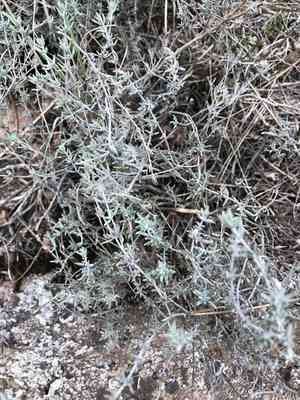
1
The best period to transfer Garden thyme to a new pot is during the initial part of spring or the latter part of winter.
2
Garden thyme flourishes in gritty, sandy soil that drains effectively.
3
Verify that the new container is a minimum of 5 centimeters (2 inches) wider across than its predecessor.
The Importance of Repotting Garden Thyme
Understanding the lifecycle of Garden thyme
Repotting your Garden thyme is crucial for maintaining its overall health and fostering robust growth. As a perennial herb, Garden thyme possesses a natural growth cycle enabling it to thrive for many years. To continuously support this longevity, it is beneficial to periodically transfer the plant to a new container, especially as it outgrows its current one. This procedure helps revitalize the plant by supplying fresh substrate and ample room for root development.
Indicators that your Garden thyme requires a new container
Recognizing when to repot your Garden thyme is vital. Look for signs such as roots emerging from drainage openings, soil that quickly becomes parched after irrigation, or a plant appearing stressed or stunted despite consistent care. These signals suggest your plant has outgrown its present pot and would benefit from additional space and fresh growing medium.
Selecting the Appropriate Pot and Growing Medium
Choosing a pot size and material suitable for Garden thyme
Selecting the correct pot is an important step when transplanting your Garden thyme. Opt for a container with a diameter at least 5 centimeters (2 inches) larger than its current pot to provide ample room for root expansion. Consider materials like terracotta or ceramic, which offer excellent breathability and water drainage. Ensure the pot has sufficient drainage holes to prevent waterlogging, which can be detrimental to your plant.
The optimal soil blend for thriving Garden thyme
Garden thyme flourishes in well-draining soil with a sandy texture. An ideal soil mix can be created by combining equal parts of potting mix, sand, and peat moss. This combination ensures proper aeration and drainage, preventing root rot and promoting healthier development. Incorporating a slow-release fertilizer into the soil mix can also provide essential nutrients for sustained plant vitality.
Successful Repotting Steps for Garden Thyme
Preparing your equipment and workspace
Before beginning the repotting process, gather all necessary tools, including a new container, fresh soil mix, gardening gloves, and a trowel. Select a workspace that is clean and spacious, ideally outdoors or in a well-ventilated area to manage soil spills efficiently. Prepare the new pot by adding a layer of gravel or small stones at the bottom to ensure optimal drainage.
Carefully removing Garden thyme from its existing pot
Gently extract your Garden thyme from its current container by turning the pot on its side and lightly tapping the base. If the plant is firmly rooted, use a knife or trowel to loosen the soil around the edges. Hold the plant's base firmly and slide it out, taking care to avoid damaging the root system.
Placement and planting: procedure and best practices
Position the Garden thyme in the center of the new pot, making sure it sits at the same depth as it was in the previous container. Fill the surrounding space with the prepared soil mix, pressing gently to eliminate air pockets. Water the plant thoroughly to help settle the soil, but be careful not to overwater.
Post-repotting care for Garden thyme
After repotting, place your Garden thyme in a location with abundant sunlight and good air circulation. Water the plant moderately, allowing the soil to dry out slightly between waterings. Avoid fertilizing immediately after repotting; wait a few weeks to allow the plant to adjust to its new surroundings.
Common Errors to Avoid When Transplanting Garden Thyme
Excessive watering after repotting
One of the most frequent errors is overwatering after transplanting. Garden thyme prefers somewhat dry conditions, and too much water can lead to root rot. Ensure the soil drains effectively, and irrigate only when the top 2-3 centimeters (1 inch) of soil feels dry to the touch.
Utilizing pots without proper drainage
Avoid using containers that lack drainage holes, as this can cause water to accumulate at the bottom, resulting in waterlogged roots. Always choose pots with adequate drainage to maintain your Garden thyme's health.
Excessive root pruning
While root trimming can sometimes be necessary, cutting too much can shock the plant and hinder its growth. Only trim damaged or excessively long roots, and handle the plant gently throughout the process to minimize stress.



