Optimal Soil for Growing Common yarrow: What You Need to Know
1
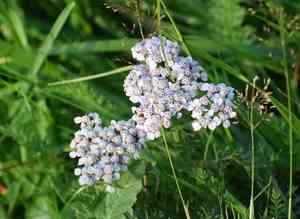
Achillea millefolium flourishes in soil that drains effectively, making it perfect for rockeries and garden edges.
2
Common yarrow tolerates a broad soil pH range, from 6.5 to 7.5, allowing it to adapt to various garden conditions.
3
Consistent application of mulch can aid in preserving soil vitality and moisture levels for your Achillea millefolium.
What Soil Type Does Common Yarrow Require?
Soil Makeup
The primary factor for Common yarrow is its soil composition. This resilient plant thrives in sandy or loamy soil, allowing its deep roots to easily penetrate. The key is to ensure the soil mixture isn't overly dense with clay, which can hinder root development and water drainage. Sandy soils typically offer the ideal setting for Common yarrow, providing a perfect balance of nutrients and air pockets, crucial for robust plant growth. You can achieve an optimal blend by combining garden soil with sand and organic material.
Optimal pH Levels
Maintaining the correct soil pH is vital for Common yarrow's best growth. This plant generally prefers soil with a pH range of 6.5 to 7.5. This slightly acidic to neutral range enables Common yarrow to efficiently absorb essential nutrients. If you're uncertain about your soil's pH, it's wise to perform a simple soil test. Adjustments can be made to either increase or decrease the pH as needed using lime or sulfur amendments.
Drainage Needs
Drainage is a critical element for cultivating Common yarrow. The plant originates from areas where soil quickly sheds water after rain, preventing root rot and other water-related diseases. To ensure adequate drainage, consider planting Common yarrow on a gentle slope or in elevated beds. Additionally, incorporating coarse sand or fine gravel into the soil mix can improve drainage, creating a more favorable environment for your yarrow plants.
Nutrient Requirements
Common yarrow isn't a heavy feeder but benefits from nutrient-rich soil. While excessively fertile soil isn't necessary and can even lead to weaker plants, a slight boost with compost or well-rotted manure can enhance growth. A balanced, slow-release fertilizer can be applied at the start of the growing season to meet its nutrient needs without over-fertilizing. Focus on maintaining a healthy organic matter content in the soil to keep your Common yarrow flourishing.
How to Prepare Soil for Planting Common Yarrow?
Soil Analysis
Before planting Common yarrow, it's good practice to analyze your soil. A thorough soil test will offer invaluable insights into the pH level, texture, and nutrient content. You can obtain a soil test kit from a garden center or send samples to a laboratory for detailed analysis. The results will guide you in making the necessary soil modifications to create the perfect growing environment for your Common yarrow.
Amending Soil
Based on your soil test results, you might need to modify the soil to meet Common yarrow's specific requirements. If the pH is too low or too high, use lime to raise the pH or sulfur to lower it. For nutrient deficiencies, incorporate organic compost or a balanced fertilizer. Ensuring your soil has a good amount of organic material will improve texture, provide essential nutrients, and enhance water retention.
Tilling and Aeration
Tilling the soil before planting helps break up compacted earth, making it easier for roots to spread and establish themselves. It's crucial to till the soil to a depth of approximately 30 cm (12 inches). This process not only loosens the soil but also improves aeration, which is vital for root health. Tilling is especially important when planting Common yarrow in heavy soil to facilitate better drainage.
How to Maintain Soil Health for Common Yarrow?
Consistent Mulching
Mulching plays a key role in preserving soil health for Common yarrow. A layer of organic mulch, such as straw or wood chips, conserves moisture, regulates soil temperature, and suppresses weeds. Apply a 5-8 cm (2-3 inches) thick layer around the base of the plants, ensuring it's kept away from the stems to prevent rot.
Preventing Soil Compaction
Soil compaction can hinder Common yarrow's growth by restricting root development and reducing drainage efficiency. Avoid walking on the soil around your Common yarrow and use garden beds or pathways to minimize compaction. If you notice compacted soil, lightly tilling and incorporating organic matter can help restore its structure and aeration.
Monitoring Soil Moisture
Proper soil moisture monitoring is essential for Common yarrow's health. Although this plant is drought-tolerant, young plants require consistent watering until established. A moisture meter can help ensure you're not over- or under-watering your plants. The goal is to keep the soil slightly moist but well-drained, avoiding waterlogged conditions.



