Optimal Soil for Growing Ohio buckeye: What You Need to Know
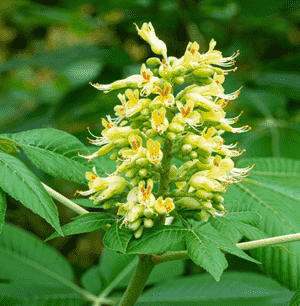
1
The Ohio buckeye thrives in soil that is mildly alkaline to neutral, ideally with a pH range of 6.5 to 8.
2
Consistent soil analysis assists in sustaining the best environment for your Ohio buckeye specimen.
3
Applying mulch aids in keeping soil hydrated and suppressing the emergence of weeds.
What Soil Type is Ideal for Ohio buckeye?
Soil Make-up
For optimal development, Ohio buckeye trees flourish in rich, loamy earth. This soil type features a balanced blend of sand, silt, and clay, providing both excellent water drainage and sufficient nutrient holding capacity. If your garden soil is overly sandy or clay-heavy, consider incorporating organic materials such as compost or aged manure to enhance its texture.
Soil pH Requirements
Ohio buckeye trees favor slightly alkaline to neutral soil, with a pH range of 6.5 to 8. Maintaining the soil within this pH range is critical for nutrient absorption and overall plant vitality. Utilize a pH testing kit to assess your soil's acidity and amend it if needed. Adding lime can help elevate soil pH, while sulfur can assist in lowering it.
Drainage Needs
Effective drainage is crucial for Ohio buckeye trees, as they cannot tolerate waterlogged root systems. When preparing your planting location, ensure the soil drains efficiently. You can verify this by digging a hole and filling it with water; if the water dissipates within a few hours, drainage is satisfactory. If not, you may need to amend the soil with sand or gravel to improve permeability.
How to Prepare Soil for Ohio buckeye Planting?
Soil Examination
Before planting your Ohio buckeye, it's essential to analyze the soil to determine its pH and nutrient concentrations. Many garden centers provide soil analysis services, or you can purchase a home testing kit. Understanding your soil's characteristics will guide you in making necessary modifications to create the ideal environment for your tree.
Amending the Soil
Based on your soil test results, you might need to enrich your soil to provide the best conditions for your Ohio buckeye. Incorporating organic matter like compost or decomposed manure can enhance soil texture and nutrient content. If your soil is too acidic, adding lime can help increase the pH. Conversely, adding sulfur can reduce the pH in alkaline soils.
Soil Aeration
Aerating the soil improves water penetration, promotes root growth, and ensures vital gases can circulate. You can aerate your soil by using a garden fork or an aerator tool to puncture the ground, creating small holes throughout the planting zone. This step is particularly important in compacted or heavy clay soils.
Maintaining Soil Quality for Ohio buckeye
Routine Soil Testing
To uphold optimal soil conditions for your Ohio buckeye, conduct soil tests at least once annually. Regular testing will help you monitor pH levels and nutrient content, enabling you to make timely adjustments and ensure your tree remains healthy and robust.
Mulching
Applying an organic mulch layer around the base of your Ohio buckeye assists in retaining soil moisture, moderating soil temperature, and suppressing weeds. Use materials such as wood chips, bark, or shredded leaves, and apply a 5-10 cm (2-4 inches) thick layer. Be sure to keep the mulch a few centimeters away from the trunk to prevent decay.
Irrigation Techniques
Proper watering practices are essential for preserving soil quality. Water your Ohio buckeye deeply but infrequently to encourage extensive root development. Ensure the soil remains moist but not saturated. During dry periods, increase watering frequency to prevent the soil from completely drying out.
Common Soil Issues and Resolutions for Ohio buckeye
Soil Compaction
Compressed soil can hinder root expansion and water absorption. To relieve compaction, regularly aerate the soil surrounding your Ohio buckeye and avoid heavy foot traffic or machinery near the tree. Adding organic matter can also help improve soil structure and lessen compaction.
Nutrient Deficiencies
Lack of essential nutrients can result in stunted growth and yellowing foliage. Perform a soil test to pinpoint any deficiencies and apply the appropriate fertilizers. For instance, use a balanced fertilizer or specific nutrients like nitrogen, phosphorus, or potassium, based on your soil test findings.
Water Retention Difficulties
If your soil holds too much water, it can lead to root rot and other issues. Improve drainage by amending the soil with sand, gravel, or organic matter. Alternatively, consider constructing raised beds to enhance water runoff. If water retention persists, you may need to install a drainage system to redirect excess water away from the root zone.



