Optimal Soil for Growing Anise hyssop: What You Need to Know
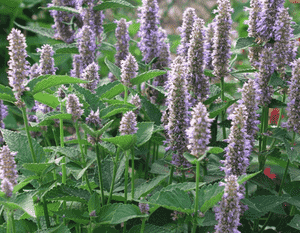
1
Anise hyssop flourishes in soil that is mildly acidic to neutral, maintaining a pH range of 6.5 to 7.5.
2
Incorporating compost or aged manure can greatly enhance the soil's composition and nutritional value for Anise hyssop.
3
Properly draining soil is essential for Anise hyssop to avoid root decay and other problems linked to excessive moisture.
Optimal Soil Type for Anise Hyssop Cultivation
Perfect Soil Blend
For Anise hyssop, a balanced soil composition is key. Ideally, the soil should be loamy, a mix of sand, silt, and clay. Loam holds moisture without becoming saturated, offering an ideal balance of drainage and nutrient retention. To achieve this, you might need to integrate organic materials like compost or aged manure into the existing soil.
pH Level Requirements
Anise hyssop thrives in soil with a slightly acidic to neutral pH, ranging from 6.5 to 7.5. It's vital to assess your soil's pH before planting, as overly alkaline or acidic soil can hinder nutrient absorption. Soil testing kits are readily available and simple to use for checking pH levels.
Soil Drainage Needs
Effective soil drainage is critical for Anise hyssop. This herb does not tolerate waterlogged conditions, which can lead to root rot. If your garden soil tends to retain water, consider planting Anise hyssop in elevated beds or amending the soil with sand or perlite to enhance drainage.
Preparing and Enhancing Soil for Anise Hyssop
Assessing Soil Quality
Before planting, it's important to evaluate your soil's quality. This involves checking pH levels and nutrient content. You can use a soil test kit from a garden center or send a sample to a local extension office for a more detailed analysis. Testing helps you understand what amendments your soil might need for optimal growth.
Incorporating Organic Matter
Adding organic matter to your soil can significantly boost its fertility and structure. Compost, leaf mold, and well-rotted manure are excellent choices. Spread a layer of organic material about 5-10 centimeters (2-4 inches) thick over the garden bed and mix it into the topsoil. This practice not only improves soil fertility but also promotes better water retention and aeration.
Adjusting Soil pH
If your soil pH falls outside the ideal range of 6.5 to 7.5 for Anise hyssop, you'll need to make adjustments. To increase soil pH (make it more alkaline), add lime. To decrease the pH (make it more acidic), incorporate sulfur or peat moss. Always re-test the soil after making adjustments to ensure you've achieved the desired pH level.
Ensuring Proper Drainage
To improve soil drainage, consider creating raised beds or adding gravel and sand to your planting area. Raised beds help prevent water from pooling around the plant roots. Another method is to use soil amendments like perlite or vermiculite, which can enhance soil structure and facilitate better drainage.
Beneficial Mulching Practices for Anise Hyssop
Suitable Mulch Types
Organic mulches such as straw, wood chips, and shredded leaves are excellent choices for Anise hyssop. These materials decompose slowly, enriching the soil with organic matter over time. Avoid using fresh grass clippings or non-decomposed organic material, as these can introduce pests and diseases.
Correct Mulch Application
Spread mulch around the base of the Anise hyssop plants to a depth of about 5-7 centimeters (2-3 inches). Ensure the mulch doesn't touch the stems of the plants to prevent rot and pest issues. Mulching helps retain soil moisture, suppress weeds, and regulate soil temperature.
Mulching Benefits for Soil Health
Mulching offers numerous benefits for Anise hyssop. It helps maintain consistent soil moisture, reduces soil erosion, and enhances the soil's organic matter content as it breaks down. Additionally, mulch acts as an insulating layer, protecting plant roots from extreme temperature fluctuations.
Common Soil Issues and Solutions for Anise Hyssop
Compacted Soil
Compacted soil restricts root growth and reduces aeration. To alleviate compaction, regularly aerate your soil by tilling or using a garden fork to loosen it. Adding organic matter can also help break up heavy, compacted soils and improve their structure.
Nutrient-Deficient Soil
Nutrient deficiencies can stunt the growth of your Anise hyssop. Incorporate well-rotted compost or a balanced organic fertilizer into the soil to replenish essential nutrients. Conducting regular soil tests can help you identify and address specific nutrient shortages.
Waterlogged Soil
Waterlogged conditions can cause root rot and other issues. To combat this, plant Anise hyssop in well-draining soil or raised beds. Amend the soil with sand or gravel to enhance drainage, and avoid over-watering your plants. If your garden is prone to heavy rains, consider creating drainage ditches or installing a rain garden.
Long-Term Soil Health Monitoring for Anise Hyssop
Regular Soil Testing
Routine soil testing is crucial for maintaining the health of your Anise hyssop. Aim to test your soil at least once a year to check for pH levels and nutrient content. This will help you make informed decisions about necessary soil amendments and ensure that your plants receive the nutrients they need.
Adjusting Soil Amendments
Based on your soil test results, you may need to adjust your soil amendments throughout the growing season. Adding compost, organic fertilizers, or specific nutrients can help maintain optimal soil health. Always follow recommended guidelines to avoid over-fertilizing, which can harm the plants.
Indicators of Healthy Soil
Healthy soil has a rich, dark color, a crumbly texture, and a thriving population of earthworms and microorganisms. It also drains well while retaining sufficient moisture for plant roots. Observing these signs can indicate that your soil is in good condition to support the growth of Anise hyssop.



