Optimal Soil for Growing Common hollyhock: What You Need to Know
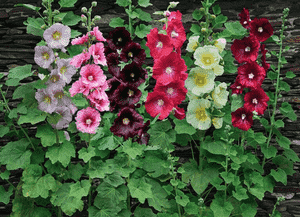
1
For optimal growth, Common hollyhock thrives best in soil that drains effectively.
2
Incorporating compost into the soil can greatly enhance its fertility and overall structure.
3
Routine soil analysis assists in sustaining optimal pH and nutrient concentrations for robust Common hollyhock development.
What Type of Soil is Best for Common hollyhock?
Ideal Soil Composition
The Common hollyhock thrives best in soil that drains effectively while still holding sufficient moisture. Optimal soil for these plants should be abundant in organic materials, such as compost or well-rotted manure, which boosts soil fertility and improves its structure. Sandy loam or loamy soil types are generally preferred as they provide a good balance between drainage and nutrient retention. Steer clear of heavy clay soils because they retain too much water, potentially leading to root decay.
Soil pH Level
Maintaining the correct pH level is vital for the robust growth of Common hollyhock. Ideally, the soil pH should range between 6.5 and 7.5. This pH spectrum ensures the plant can efficiently absorb crucial nutrients from the soil. You can assess soil pH using a home testing kit or by submitting a sample to a local agricultural extension service. If the pH level is too low (acidic), incorporate lime into the soil. If it's too high (alkaline), adding sulfur or peat moss can help reduce the pH.
How to Prepare Soil for Planting Common hollyhock
Soil Testing
Before planting Common hollyhock, it is prudent to test your soil. This step aids in understanding the nutrient profile and pH level, enabling precise adjustments for prime plant health. Home testing kits are readily available and simple to use, providing immediate results. Alternatively, you can send a soil sample to a local lab for a comprehensive analysis that frequently includes recommendations for improvements.
Amending the Soil
Following the completion of testing, the next step involves amending the soil based on the results. If the soil lacks nutrients, incorporate suitable fertilizers or organic matter. Nitrogen, phosphorus, and potassium are essential nutrients for Common hollyhock development. Additionally, blending compost or aged manure thoroughly into the top 12 inches (30 cm) of soil can enrich its quality and structure.
Composting and Organic Matter
Adding compost or organic matter can work wonders for soil intended for Common hollyhock. Organic matter enhances soil aeration, water retention, and nutrient delivery. Composting kitchen scraps, grass clippings, and fallen leaves creates a nutrient-rich amendment for your soil. Spread 2 to 3 inches (5 to 7.5 cm) of compost over the planting area and mix it into the soil using a garden fork or tiller.
Can Common hollyhock Grow in Poor Soil?
Challenges of Poor Soil
While Common hollyhock possesses some resilience, cultivating it in poor soil presents several obstacles. Inferior soil often lacks crucial nutrients and may drain poorly, leading to waterlogged conditions detrimental to root vitality. Furthermore, compacted soil can hinder root development and reduce oxygen availability, impeding the plant's growth and bloom potential.
Improving Soil Quality
Enhancing poor soil involves steps to boost its structure and nutrient content. Begin by loosening the soil to facilitate easier root penetration. Incorporate compost or well-rotted manure to introduce organic matter and improve fertility. For an immediate nutrient boost, consider applying a balanced organic fertilizer. Using mulch can also protect the soil from erosion and retain moisture, fostering a healthier growing environment.
Best Practices for Maintaining Soil Health for Common hollyhock
Regular Soil Testing
Just as with initial soil preparation, consistent soil testing is crucial for sustaining soil health over the long term. Annual testing helps you monitor pH levels and nutrient content, enabling timely adjustments. This regularity ensures your Common hollyhock always has access to optimal growing conditions, keeping them strong and thriving.
Mulching Techniques
Applying mulch around Common hollyhock can greatly benefit soil health. Mulch preserves soil moisture by decreasing evaporation, suppresses weed growth, and adds organic matter as it breaks down. Organic mulches such as straw, wood chips, or shredded leaves are excellent choices. Spread a 2 to 3-inch (5 to 7.5 cm) layer around the plants, keeping it a few inches away from the stem to prevent rot.
Avoiding Soil Compaction
Soil compaction is a common problem that can severely impact Common hollyhock by impeding root growth and oxygen access. To prevent compaction, avoid walking on garden beds or using heavy machinery. Raised beds can also be an effective method to maintain loose soil. Additionally, regular tilling or forking helps break up compacted soil layers, promoting healthier root development.
Signs of Unhealthy Soil for Common hollyhock
Poor Plant Growth
One of the primary indicators of unhealthy soil is stunted plant development. If your Common hollyhock isn't growing as expected, or if its stems are weak and slender, it could signal nutrient deficiencies or poor soil structure. Consistent soil testing and amendments can help resolve these issues.
Discoloration of Leaves
Yellowing or discolored foliage is another sign of soil problems. This discoloration often points to nutrient deficiencies, such as nitrogen or iron. Testing and amending the soil based on the results can help correct these issues, restoring the vibrant green hues of your Common hollyhock leaves.
Presence of Pests
Poor soil health can sometimes lead to an increase in pest problems. Unhealthy plants are more vulnerable to attacks from insects and diseases. Maintaining healthy soil through regular amendments and monitoring can fortify your plants' natural defenses, reducing the likelihood of pest infestations.



