Optimal Soil for Growing Red columbine: What You Need to Know
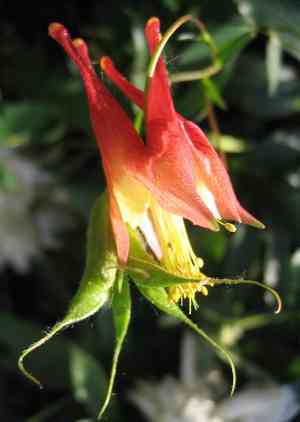
1
Red columbine flourish in ground with a pH level between 6.5 and 7.5.
2
Consistent soil analysis aids in preserving ideal nourishment for Red columbine.
3
Applying mulch assists in keeping soil damp and inhibiting weed development, particularly during colder months.
Optimal Soil Type for Red Columbine
Characteristics of Ideal Soil
The perfect soil for Red columbine (Aquilegia canadensis) should drain well but still hold enough moisture to support its growth. It needs a loamy texture, a balanced mix of silt, sand, and clay. This soil type allows for good air circulation while retaining sufficient nutrients and water.
Assessing and Selecting Soil
To pick the best soil for your Red columbine, first evaluate your garden's current soil. Perform a simple soil test to check its pH and nutrient levels. If the pH isn't between 6.5 and 7.5, soil amendments might be necessary. Look for soil that crumbles easily when dry but forms a cohesive clump when damp; this indicates a good loamy texture.
Preparing Soil for Red Columbine
Necessary Soil Amendments
To get soil ready for Red columbine, you'll need to make specific adjustments based on your soil test results. For example, if your soil is too acidic, adding lime can help increase the pH. Conversely, if it's too alkaline, sulfur can help decrease it. Organic matter like compost or aged manure can also be incorporated to enhance soil structure and nutrient content.
Steps for Soil Preparation
Begin by clearing the planting area of weeds and debris. Dig down about 30 cm (12 inches) to loosen the soil. Mix in the required amendments based on your soil test. For Red columbine, ensure the soil drains well to prevent waterlogging, which can lead to root rot. After amending, level the soil and water it lightly to settle it before planting.
Maintaining Soil Health for Red Columbine
Regular Soil Testing
To keep Red columbine soil in top condition, conduct soil tests annually. These tests will help you monitor essential nutrients and pH levels, allowing you to adjust soil conditions as needed. Kits are available at most garden centers, or you can send samples to a professional lab for detailed analysis.
Organic vs. Chemical Fertilizers
Choosing between organic and chemical fertilizers depends on your gardening approach and requirements. Organic fertilizers, such as compost and bone meal, enrich the soil long-term and improve its structure. Chemical fertilizers, though fast-acting, should be used sparingly as they might disrupt the soil's natural balance. For Red columbine, organic options are generally best for maintaining healthy soil structure and biodiversity.
Preventing Soil Erosion and Compaction
Soil erosion can be a major issue, especially on sloped areas. Plant ground covers or use mulch to keep the soil in place. To prevent compaction, avoid walking on wet soil and regularly aerate your garden bed. Compacted soil restricts root growth and water penetration, which can jeopardize your Red columbine's health.
Common Soil Problems for Red Columbine
Identifying Poor Drainage
Poor drainage can be fatal for Red columbine, leading to root rot and other diseases. Identify poor drainage by observing if water remains pooled on the soil surface long after watering. To fix this, incorporate sand or coarse organic matter to improve soil structure and drainage.
Dealing with Nutrient Deficiencies
Nutrient deficiencies often appear as pale leaves or stunted growth in your Red columbine. Address these issues by performing soil tests and applying the appropriate fertilizers. For instance, yellowing leaves often indicate a lack of nitrogen, while poor flowering might signal a phosphorus deficiency.
Addressing Soil pH Imbalances
Soil pH imbalances can hinder nutrient absorption, causing your Red columbine to suffer. If your soil is too acidic (pH below 6.5), add lime to increase the pH. If it's too alkaline (pH above 7.5), sulfur or organic matter like peat moss can help lower it. Regular testing can help you monitor and maintain the ideal pH range.
Winter Soil Care for Red Columbine
Mulching Techniques
Mulching is vital for Red columbine, especially during the colder months. Apply a layer of mulch, about 5-8 cm (2-3 inches) thick, to help retain soil moisture, prevent weed growth, and insulate the roots from freezing temperatures. Organic mulches like straw, wood chips, or leaf mold are excellent choices.
Preventing Soil Freezing
Freezing soil can harm the roots of Red columbine. To prevent this, use a thick layer of mulch over the root zone and consider adding insulating materials like burlap or fleece covers for extra protection. Additionally, watering the soil before a hard freeze can help insulate the roots, as moist soil retains heat better.



