Optimal Soil for Growing Jack-in-the-pulpit: What You Need to Know
1
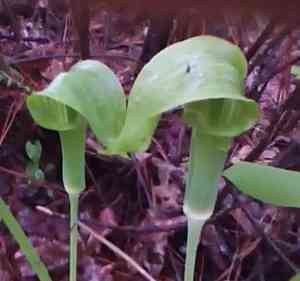
Jack-in-the-pulpit flourishes in substrate rich in organic matter, replicating its native forest environment.
2
Periodically check soil dampness; Jack-in-the-pulpit favors consistently moist, yet not saturated, conditions.
3
The ideal pH level for Jack-in-the-pulpit is between 6.5 and 7.5, ascertainable with a basic home soil analysis kit.
Optimal Ground Makeup for Jack-in-the-pulpit
Organic Content
For successful Jack-in-the-pulpit cultivation, a crucial element is abundant organic matter in the growing medium. This plant naturally flourishes in forest settings where the earth is rich with decaying foliage and other plant material. To mimic this in your garden, incorporate ample compost or well-decomposed leaf mold into the soil. This not only supplies vital nutrients but also improves soil structure and moisture retention.
Drainage
Jack-in-the-pulpit needs moist yet well-draining soil. While it prefers damp conditions, it cannot endure waterlogged ground, which can lead to root decay. Enhancing the drainage in your garden soil can be achieved by adding sand or fine gravel to your planting mix. Additionally, consider slightly elevating the planting area or creating a gentle slope to ensure excess water can flow away.
pH Levels
The perfect pH range for Jack-in-the-pulpit is between 6.5 and 7.5. This slightly acidic to neutral pH level is ideal for nutrient availability and overall plant vitality. It's wise to test your soil's pH before planting. You can modify the pH by adding lime to increase alkalinity or sulfur to increase acidity, based on your soil test results.
Improving Soil for Jack-in-the-pulpit
Compost Application
Incorporating compost is one of the most effective ways to enrich the soil for Jack-in-the-pulpit. Compost helps enhance soil structure, water retention, and nutrient content. Spread a 5-7.5 centimeter (2-3 inch) layer of compost over your planting area and work it into the top 15-20 centimeters (6-8 inches) of soil. Doing this in the spring before planting will give your plants a head start.
Mulching Techniques
Mulching is vital for preserving soil moisture and inhibiting weed growth. Apply a 5-7.5 centimeter (2-3 inch) layer of organic mulch, such as shredded bark, leaf mold, or straw, around your Jack-in-the-pulpit plants. Ensure the mulch is kept a few centimeters away from the plant's base to prevent any potential fungal issues.
Adjusting Soil pH
If your soil pH is outside the optimal range for Jack-in-the-pulpit, you can modify it accordingly. Adding garden lime can help raise the pH if your soil is too acidic. For alkaline soils, incorporating peat moss or sulfur can lower the pH. Always re-test the soil after amendments to confirm the pH level is within the desired range.
Identifying Soil Problems in Jack-in-the-pulpit
Indicators of Poor Drainage
Inadequate drainage can be harmful to Jack-in-the-pulpit. Symptoms include yellowing foliage, stunted development, and a general decline in plant health. To improve drainage, consider amending the soil with grit or gravel and ensuring that the plants are not in low-lying areas that collect water.
Nutrient Deficiencies
Nutrient shortages can manifest as poor growth, pale leaves, or reduced blooming. Regularly adding organic matter and compost to the soil can prevent these issues. Additionally, a balanced, slow-release fertilizer can supplement nutrient levels.
Soil Compaction
Compressed soil restricts root growth and water movement. Signs of compaction include water pooling on the surface and hard, dense soil. To alleviate soil compaction, aerate the soil by spiking with a garden fork or using a core aerator. Adding organic matter can also help loosen the soil structure.
Seasonal Soil Care Advice for Jack-in-the-pulpit
Spring Preparation
Spring is the ideal time to get your soil ready for Jack-in-the-pulpit. Incorporate a generous amount of compost and ensure the soil drains well. Test the soil pH and make any necessary adjustments. Begin mulching to help retain moisture as the weather warms up.
Summer Upkeep
During the summer, maintain consistent moisture levels by watering regularly, especially during dry spells. Continue to watch for signs of poor drainage or nutrient deficiencies and address them promptly. Replenish mulch as needed to keep roots cool and moist.
Fall Mulching
In the autumn, apply a fresh layer of mulch to insulate the soil over the winter. Use organic mulch materials that will decompose and further enrich the soil. This also helps protect the roots from winter temperature fluctuations.
Winter Protection
In winter, ensure the mulch layer is thick enough to shield the plants from freezing temperatures. Avoid overwatering, as the plant is dormant and too much moisture can cause root rot. If you live in an area with very harsh winters, consider covering the plants with burlap or another protective material.



