Optimal Soil for Growing Common wormwood: What You Need to Know
1
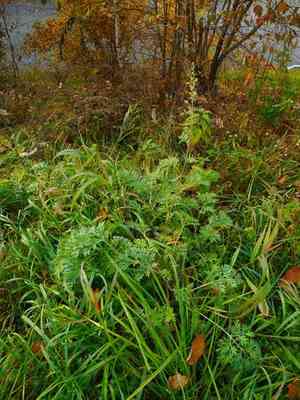
Common wormwood flourishes in infertile, sandy ground and needs very little feeding.
2
The pH level of the soil for Common wormwood ought to be checked often and maintained between 6.5 and 8.
3
Adequate soil permeability is crucial to avoid root decay in Common wormwood.
Optimal Soil Type for Common Wormwood Cultivation
Selecting Soil with Good Drainage
For cultivating Common wormwood, a crucial element is ensuring the use of soil that drains effectively. This plant is highly susceptible to overly wet conditions, which can result in root decay and other problems. Well-draining soil permits surplus water to move away from the roots, fostering a healthier environment for the plant. You can verify good drainage by watering and observing how quickly the water permeates and exits.
Why Sandy Loam is the Preferred Choice
Sandy loam is considered the perfect soil type for Common wormwood. This soil type provides superb drainage while still holding sufficient moisture to support plant development. Its composition is a balanced mix of sand, silt, and clay, guaranteeing that Common wormwood roots receive adequate air circulation and nutrients without becoming waterlogged. If your garden soil is predominantly clay, consider enriching it with sand and organic material to enhance its drainage capabilities.
Preparing Soil for Common Wormwood Planting
Soil Analysis for pH and Nutrient Content
Prior to planting Common wormwood, it's vital to analyze your soil for both pH and nutrient concentrations. You can easily acquire a soil testing kit from your local gardening center. Target a pH range of 6.5 to 8, which is ideal for Common wormwood. Furthermore, confirm that your soil possesses sufficient levels of essential nutrients such as nitrogen, phosphorus, and potassium.
Enhancing Soil with Organic Material
Incorporating organic matter into your soil, like compost or aged manure, can significantly boost its fertility and structure. Adding organic material improves soil texture, promoting superior drainage and aeration while also supplying vital nutrients. Spread a 2-3 inch (5-7.5 cm) layer of compost over your soil and thoroughly mix it in before planting your Common wormwood.
Ensuring Adequate Water Runoff
Proper drainage is essential for the robust growth of Common wormwood. To guarantee sufficient drainage, you can construct raised beds or utilize containers equipped with drainage holes. Additionally, integrating materials such as gravel or perlite into your soil mixture can aid in improving its drainage characteristics. Effective drainage not only prevents root rot but also discourages the proliferation of soil-borne pathogens.
Ideal Soil pH for Common Wormwood
Optimal pH Range
The best soil pH range for Common wormwood is between 6.5 and 8. A balanced pH level ensures the plant can efficiently absorb necessary nutrients from the soil. Soil that is excessively acidic or alkaline can restrict nutrient availability, leading to stunted growth and poor health. Monitoring and adjusting soil pH as required is crucial for successful Common wormwood cultivation.
Adjusting Soil pH Levels
If your soil pH falls outside the optimal range, you might need to modify it. For acidic soils, adding lime can elevate the pH. Conversely, sulfur or aluminum sulfate can reduce the pH of alkaline soils. Always adhere to the manufacturer's instructions when applying these amendments, and retest your soil after application to confirm it has reached the desired pH level.
Typical Soil Problems and Solutions for Common Wormwood
Managing Insufficient Drainage
A frequent issue when cultivating Common wormwood is poor drainage, which can result in waterlogged soil and root decay. To remedy this, consider planting in elevated beds or pots with appropriate drainage holes. Moreover, enriching your soil with sand, perlite, or coarse organic matter can help enhance its drainage properties.
Addressing Nutrient Deficiencies
Nutrient shortages can manifest as poor growth or discolored foliage in Common wormwood. Regular soil analysis can help identify any nutrient imbalances. If deficiencies are detected, consider using a balanced fertilizer or specifically targeted soil amendments to rectify them. Always adhere to recommended guidelines to prevent over-fertilization, which can be as detrimental as under-fertilization.
Combating Soil-borne Pests and Diseases
Soil-borne pests and diseases can be difficult to control once established in your garden. To avert these issues, ensure you practice good garden hygiene, such as removing plant debris and rotating crops. Using sterile soil or treating your soil with organic pest control methods can also help keep these problems at bay.
Maintaining Healthy Soil for Common Wormwood
Consistent Soil Testing
Maintaining healthy soil for Common wormwood involves regular testing to monitor pH and nutrient levels. Frequent soil analyses enable you to address any imbalances promptly, ensuring your plant continues to flourish. Aim to test your soil at least once annually or more often if you observe changes in your plant's health.
Mulching and Composting Practices
Mulching and composting are excellent methods for preserving soil health. Mulch helps retain moisture, suppress weeds, and regulate soil temperature. Meanwhile, composting returns valuable nutrients and organic matter to the soil. Apply a layer of organic mulch around your Common wormwood and replenish it as needed for optimal results.
Plant Rotation Strategies
Crop rotation is a valuable technique for preventing soil depletion and minimizing disease risk. By rotating different types of plants in your garden, you can reduce the accumulation of pests and diseases that may target specific species. Additionally, crop rotation helps balance nutrient utilization, keeping your soil fertile and productive.



