Optimal Soil for Growing Common milkweed: What You Need to Know
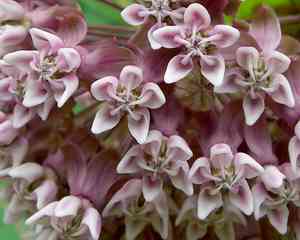
1
Ensure the growing medium for Common milkweed allows for good drainage to avoid root decay.
2
Common milkweed thrives in soil that is mildly acidic to neutral, with a pH range of 6.5 to 7.5.
3
Add organic material to dense soil to enhance air circulation and water flow.
Optimal Soil for Common Milkweed
Soil Texture and Makeup
Understanding the perfect soil texture and composition for Common milkweed is vital for its best growth and vitality. The ideal soil for this resilient plant contains a blend of sand, silt, and clay, known as loam. Loamy soil provides a balanced setting, allowing for good drainage while retaining sufficient moisture. If your soil is too sandy, it can cause excessive water runoff and nutrient depletion, whereas heavy clay soil can lead to water retention, resulting in root decay.
Importance of Well-Draining Substrate
Well-draining soil is crucial for Common milkweed, as it prevents roots from sitting in water for extended periods. Prolonged wetness can cause root rot and other fungal diseases that can severely harm the plant. To check your soil's drainage, perform a simple test: dig a hole about 30 cm (12 inches) deep, fill it with water, and observe how quickly it drains. Ideally, the water should drain within a few hours.
Suitability of Sandy and Loamy Substrates
While Common milkweed is adaptable, it flourishes best in sandy or loamy soils. Sandy soils allow for excellent drainage but may require more frequent watering, especially in hot climates. Loamy soils, conversely, offer the perfect balance of drainage and moisture retention. If you're dealing with clay or overly sandy soil, consider amending it to enhance its texture and fertility.
Assessing Soil Suitability for Common Milkweed
Soil pH Assessment
Testing the soil's pH is the initial step in determining its suitability for Common milkweed. This plant prefers slightly acidic to neutral soil, with a pH range of 6.5 to 7.5. Home soil testing kits are available, offering a quick and easy way to check your garden's pH. Adjustments can be made with lime to increase pH or sulfur to decrease it, ensuring your soil is within the optimal range.
Nutrient Content Evaluation
A nutrient content analysis helps determine the levels of essential nutrients like nitrogen, phosphorus, and potassium in your soil. These nutrients are crucial for the healthy growth of Common milkweed. You can send a soil sample to a local agricultural extension office or use a home test kit to get a detailed report. Based on the results, you can amend your soil with the necessary fertilizers or organic matter.
Evaluating Soil Drainage
To assess soil drainage, you can perform a percolation test. Dig a hole about 30 cm (12 inches) deep and fill it with water. Note how long it takes for the water to drain completely. Ideally, well-draining soil should absorb the water within a few hours. Poor drainage indicates the need for soil amendments such as adding sand or organic matter to improve its structure and functionality.
Enhancing Soil for Common Milkweed
Amending Soil with Organic Material
Improving soil fertility and texture can be achieved by amending it with organic matter such as compost, leaf mold, or well-rotted manure. These materials enhance soil nutrient content, improve aeration, and increase its ability to retain moisture. Spread a 5-10 cm (2-4 inches) layer of organic matter over your planting area and till it into the top 15-20 cm (6-8 inches) of soil.
Methods for Improving Drainage
To enhance soil drainage, particularly in clay-heavy soils, consider incorporating materials such as coarse sand, perlite, or small gravel. These components break up dense soil particles and create air spaces, facilitating better water movement through the soil. Raised beds can also be beneficial in improving overall drainage and root health for your Common milkweed plants.
Balancing Soil pH Levels
Maintaining the ideal soil pH (6.5 to 7.5) is critical for Common milkweed. If your soil pH is outside this range, you can balance it by adding lime to raise the pH or sulfur to lower it. Regularly testing your soil will help you monitor pH levels and keep them within the optimal range, promoting healthier plant growth.
Typical Soil Issues for Common Milkweed
Compressed Soil
Compacted soil presents a significant challenge for Common milkweed as it limits root growth and restricts access to air and water. To alleviate soil compaction, regularly aerate the soil by poking holes with a garden fork or using a mechanical aerator. Additionally, incorporating organic matter can help break up the soil and improve its structure.
Saturated Conditions
Waterlogged soil conditions can lead to root rot and other problems for Common milkweed. Avoid planting in low-lying areas prone to flooding and ensure proper drainage by adding amendments to improve soil structure. Raised beds are an excellent way to address waterlogging issues, providing better control over soil conditions.
Nutrient Deficiencies
Nutrient deficiencies can hinder the growth and health of Common milkweed. Symptoms such as yellowing leaves or stunted growth indicate a lack of essential nutrients. Conduct a soil test to identify deficiencies and amend the soil with appropriate fertilizers or organic matter to replenish nutrient levels.
Do Soil Conditions Influence Common Milkweed Pests?
Effect of Poor Soil on Pest Vulnerability
Poor soil conditions can make Common milkweed more susceptible to pests. Stressed plants, resulting from inadequate soil quality, are less able to fend off insect attacks and diseases. Ensuring a healthy soil environment helps bolster the plant's natural defenses against pests.
Preventing Pest Problems with Proper Soil Care
Maintaining healthy soil conditions is an effective strategy for preventing pest issues. Regular soil testing, appropriate amendments, and ensuring optimal pH levels create a robust environment that supports plant health. Healthy, well-nourished Common milkweed is better equipped to resist pest infestations and thrive.



