Optimal Soil for Growing Heart of jesus: What You Need to Know
1
The optimal soil acidity for Heart of Jesus falls between pH 5.5 and 6.5, which facilitates nutrient uptake.
2
Heart of Jesus flourishes in growing mediums abundant in organic material, like compost or aged manure.
3
Adequate soil ventilation is vital for Heart of Jesus, safeguarding against root decay and other soil-borne ailments.
Optimal Soil for Heart of Jesus
Soil with Good Drainage
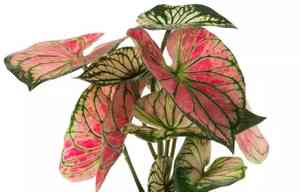
The Heart of Jesus plant, renowned for its colorful foliage, flourishes in soil that drains efficiently. Proper drainage is vital as it prevents water accumulation around the root system, which can cause root rot. To achieve this, you might incorporate sand or perlite into your soil mix. These additives ensure excess moisture passes freely through the substrate, maintaining healthy roots. If utilizing a container, confirm it possesses drainage holes for this purpose.
Rich in Nutrients
Heart of Jesus greatly benefits from a soil composition abundant in nutrients. This plant thrives in a blend containing organic components such as compost or well-decomposed manure. These organic materials gradually decompose, releasing essential nutrients that the plant can absorb. This not only encourages robust growth but also enhances the overall texture of the soil, improving its capacity to retain water without becoming waterlogged.
Desired pH Level
The ideal soil pH for Heart of Jesus is slightly acidic, falling between 5.5 and 6.5. This pH range optimizes the plant's nutrient uptake. You can assess your soil's pH using a home testing kit from your local garden center. Should adjustments be necessary, you can increase the pH by adding lime or decrease it with sulfur to reach the perfect levels.
Preparing Soil for Heart of Jesus
Choosing the Right Soil Mixture
Selecting the appropriate soil mixture for Heart of Jesus is paramount. A premium potting mix specifically formulated for indoor plants typically works well. These mixtures often include a balanced blend of peat moss, vermiculite, and perlite, which together provide an environment that is both well-draining and nutrient-rich. For outdoor cultivation, enriching garden soil with these components can also be advantageous.
Adding Organic Material
Incorporating organic matter into the soil improves its fertility and structural integrity. Compost or aged manure are excellent options. Spread a layer approximately 5-10 cm (2-4 inches) thick over your soil and thoroughly mix it in. This practice enriches the soil with crucial nutrients and fosters beneficial microbial activity.
Ensuring Adequate Aeration
Adequate aeration is crucial for sustaining the health of Heart of Jesus. Well-aerated soil allows oxygen to reach the roots, thereby facilitating vital processes like root respiration. You can achieve this by periodically loosening the soil and avoiding excessive compaction. Including perlite or pumice can also help maintain soil aeration.
Maintaining Soil Health for Heart of Jesus
Regular Soil Analysis
Performing regular soil tests is a proactive method for managing soil health. These assessments will help you monitor pH levels, nutrient content, and other crucial factors. By understanding your soil's requirements, you can make informed decisions regarding amendments and fertilization to ensure your Heart of Jesus remains healthy and vibrant.
Applying Fertilizers
Fertilizing Heart of Jesus is vital for vigorous growth. A balanced, water-soluble fertilizer applied every 2-4 weeks during the active growing period (spring and summer) can be highly effective. Opt for fertilizers containing equal proportions of nitrogen, phosphorus, and potassium to provide comprehensive nourishment.
Monitoring for Pests and Diseases
Vigilance for pests and diseases is essential for preserving soil health. Common pests such as aphids or spider mites can signal underlying soil problems. Promptly addressing pest infestations and ensuring the soil remains well-drained and aerated can prevent many potential issues.
Common Soil Issues and Solutions for Heart of Jesus
Addressing Soil Compaction
Soil compaction is a frequent problem that hinders water drainage and root development. To resolve this, regularly aerate the soil by loosening it with a garden fork or tines. Adding organic matter can also help break down compacted soil, improving its structure and porosity.
Correcting pH Imbalances
If you discover that your soil pH falls outside the optimal range (5.5-6.5), you will need to modify it. For acidic soils, incorporating agricultural lime can elevate the pH. Conversely, sulfur or aluminum sulfate can help reduce the pH of alkaline soils. Re-evaluate the pH after making adjustments to confirm it falls within the desired range.
Resolving Overwatering Problems
Overwatering is a common issue for Heart of Jesus. It can lead to root rot and other damage. To rectify this, ensure your soil drains effectively and avoid watering too frequently. The top 2-3 cm (1 inch) of soil should be dry before re-watering. Using a moisture meter can assist you in determining the precise moisture level of the soil.



