Optimal Soil for Growing Atlas cedar: What You Need to Know
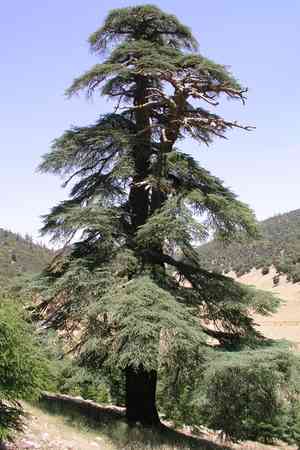
1
Atlas cedar flourishes in soil that's mildly acidic to neutral, within a pH range of 6.5 to 7.5.
2
Good drainage in the soil is essential to avoid root rot in Atlas cedar.
3
Routine soil analysis assists in sustaining the perfect nutrient equilibrium for Atlas cedar.
The Importance of Soil for Atlas Cedar
Nutrient Uptake
Soil quality is paramount for the Atlas cedar's ability to absorb nutrients. These conifers require vital elements like nitrogen, phosphorus, and potassium for robust development. The correct soil composition ensures these nutrients are readily available for root absorption, directly influencing the tree's health, vitality, and leading to lush foliage and strong growth.
Moisture Regulation and Drainage
Achieving a balance between moisture retention and efficient drainage is crucial for Atlas cedar. While the tree needs sufficient water to thrive, excessive wetness can cause root rot. Therefore, well-draining soil is essential. This prevents water from pooling around the roots while still holding enough moisture to keep the tree hydrated. Good soil aeration also aids in better water assimilation.
Root Stability
Atlas cedar trees can grow to considerable size and weight, necessitating robust root anchorage. The soil must offer adequate support for the extensive root system. Soil that is well-structured with the appropriate texture and makeup will foster deep root development, helping the tree remain stable against strong winds and other environmental challenges.
Optimal Soil Characteristics for Atlas Cedar
Soil Makeup
For Atlas cedar, the best soil composition is a loamy type, which is a balanced blend of sand, silt, and clay. Loamy soil maintains appropriate moisture levels while providing excellent drainage and nutrient accessibility. It also contains ample organic matter, further supporting the tree’s nutritional requirements.
pH Level Needs
Atlas cedar prefers soil that is slightly acidic to neutral, within a pH range of 6.5 to 7.5. Maintaining this specific pH is vital for nutrient availability. If the soil is either too acidic or too alkaline, the tree may struggle to absorb essential nutrients, resulting in poor growth and health complications.
Soil Feel
The texture of the soil impacts root penetration and the movement of water. Atlas cedar flourishes in soil that is neither overly dense nor excessively loose. Loamy soil provides the ideal medium, striking a balance that promotes vigorous root growth and efficient distribution of nutrients and water.
How to Get Soil Ready for Planting Atlas Cedar
Choosing a Spot
Select a planting location that receives ample sunlight and has soil that drains effectively. Avoid areas prone to water accumulation, as these can lead to waterlogged conditions detrimental to the tree. A slightly elevated position can be ideal for ensuring proper drainage.
Soil Analysis
Before planting, conduct a soil test to ascertain pH and nutrient levels. This can be done with a home testing kit or by submitting a sample to a local agricultural extension service. The results will inform you of any necessary amendments to optimize soil conditions for your Atlas cedar.
Soil Improvement Methods
Based on the soil test outcomes, you may need to modify the soil. For instance, if the soil is excessively acidic, adding lime can help increase the pH. Conversely, if it's too alkaline, incorporating sulfur or organic material like compost can lower the pH. Additionally, enrich the soil with well-aged manure or compost to boost its fertility and structure.
Maintaining Soil Health for Atlas Cedar
Regular Soil Testing
Perform soil tests periodically to check pH levels and nutrient status. This practice helps in making timely adjustments to preserve optimal soil health. Consistent testing ensures that your Atlas cedar receives the correct balance of nutrients for continuous growth.
Fertilization Practices
Fertilize your Atlas cedar with a balanced, slow-release fertilizer in early spring. This will supply essential nutrients throughout the growing season. Avoid applying too much fertilizer, as this can result in nutrient runoff and potential environmental harm.
Benefits of Mulching
Apply a layer of mulch around the tree's base. Mulching aids in retaining soil moisture, suppressing weed growth, and moderating soil temperature. Organic mulches, such as wood chips or bark, also decompose over time, enriching the soil with beneficial nutrients.
Typical Soil Issues and Solutions for Atlas Cedar
Compressed Soil
Soil compaction reduces the movement of air and water through the soil, which can impede root growth. To relieve this, aerate the soil around your Atlas cedar using a garden fork or aerator to create small holes. This will enhance oxygen, water, and nutrient penetration.
Nutrient Deficiencies
Yellowing leaves or stunted growth can indicate nutrient deficiencies. Address these by applying suitable fertilizers based on soil test recommendations. For example, a nitrogen deficit can be corrected with a nitrogen-rich fertilizer.
Excessive Watering Problems
Overwatering can lead to root rot, a serious issue for Atlas cedar. Ensure the soil drains well and avoid watering the tree too much. If the soil remains waterlogged, consider improving drainage by adding sand or perlite to the soil mix or digging a drainage trench around the tree.



