Optimal Soil for Growing Hinoki cypress: What You Need to Know
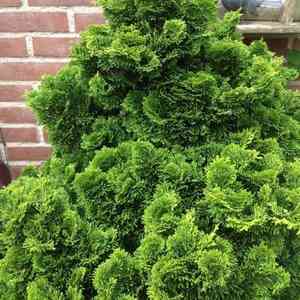
1
Hinoki cypress flourishes in somewhat acidic to neutral ground, ideally within a 6.5 to 7.5 pH range.
2
Periodically monitor soil dampness to avoid oversaturation and decay of roots.
3
Adding organic matter, like compost, can greatly enhance the soil's richness and overall condition.
Optimal Ground Blend for Hinoki Cypress
Soil Type Preferences
The Hinoki cypress (Chamaecyparis obtusa) thrives in substrate that drains effectively and is abundant in organic matter. Sandy loam or loamy earth is ideal, offering both good water drainage and moisture retention. If your garden has dense clay soil, it will require substantial enhancement to suit the Hinoki cypress.
Significance of Water Flow
Adequate drainage is vital for Hinoki cypress. These trees are susceptible to root decay if kept in saturated ground. To ensure prime water flow, consider planting them in elevated beds or on slopes. Mixing sand or perlite into the native soil is also beneficial for improving drainage.
Soil Acidity Requirements
Hinoki cypress flourishes in slightly acidic to neutral ground, with a pH range of 6.5 to 7.5. Testing your soil's pH prior to planting can prevent future issues. If the pH is too high (alkaline), sulfur or peat moss can be added to decrease it. Conversely, if the pH is too low (acidic), lime can be incorporated to increase it.
Nutrient Needs for Hinoki Cypress
Essential Nutrients
Like all plant life, Hinoki cypress requires a blend of macro and micronutrients for vigorous growth. Key nutrients include nitrogen (N), phosphorus (P), and potassium (K). Additionally, trace elements such as iron, manganese, and zinc play significant roles in the plant's overall vitality.
Fertilization Advice
Fertilize Hinoki cypress in early spring before new shoots emerge. Utilize a balanced, slow-release fertilizer to supply nutrients over an extended duration. Refrain from over-fertilizing, as this can lead to excessive, weak growth susceptible to illness and pests. Always adhere to the manufacturer's instructions for application rates and methods.
Enhancing Soil for Hinoki Cypress Cultivation
Additives for Improved Water Flow
If your soil tends to retain too much moisture, amendments like sand, perlite, or grit can boost drainage. Incorporate these materials into the upper 30 cm (12 inches) of soil for maximum effectiveness. Ensure these additives are uniformly distributed to avoid areas of poor drainage.
Incorporation of Organic Material
Adding organic materials such as compost or well-decomposed manure can significantly improve soil structure, water retention, and nutrient content. Work it into the soil before planting, and apply mulch around the tree's base annually. This not only enriches the soil but also helps maintain moisture and suppress weeds.
Typical Soil Challenges and Resolutions
Compressed Ground
Compressed soil hinders root development and lessens oxygen availability. To rectify this, aerate the soil by loosening it with a garden fork or aerator. Avoid heavy machinery or excessive foot traffic near the tree base to prevent further compaction.
Areas with Inadequate Drainage
For spots with consistently poor drainage, consider constructing a berm or raised bed to elevate the Hinoki cypress above the natural ground level. Another solution involves installing a French drain or similar system to divert excess water away from the tree's root zone.



