Optimal Soil for Growing Sawara cypress: What You Need to Know
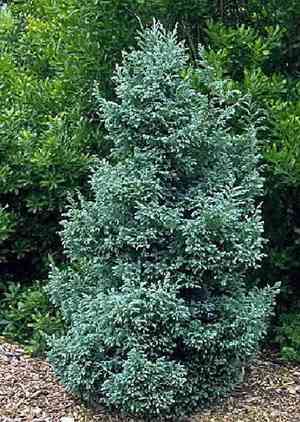
1
Sawara cypress thrives best in soil with a pH between 6.5 and 8.
2
Well-draining soil is crucial for Sawara cypress to prevent issues like root rot and other ailments originating in the soil.
3
Applying mulch can greatly assist in moisture retention and weed suppression around your Sawara cypress.
What Soil pH is Ideal for Sawara cypress?
Optimal pH Range
For your Sawara cypress to flourish, maintaining the soil pH within an ideal range of 6.5 to 8 is essential. This slightly acidic to mildly alkaline range supports effective nutrient absorption for this specific plant type. Keeping the soil pH within these limits promotes the overall health and growth of your Sawara cypress.
Testing Soil pH
Assessing your garden's soil pH is a simple procedure. You can acquire a soil pH testing kit from any gardening store or online retailer. Using the kit, gather several soil samples from the planting area to ensure a consistent reading. Testing the soil pH will help guide you in making necessary adjustments, providing optimal growing conditions for your Sawara cypress.
Adjusting Soil pH
If your soil pH is outside the recommended range, adjustments can be made. To increase the pH (making it more alkaline), incorporate garden lime. To decrease the pH (making it more acidic), consider using sulfur or peat moss. Always adhere strictly to product instructions and retest the soil several weeks after applying any changes.
How to Ensure Proper Drainage for Sawara cypress?
Soil Types That Offer Good Drainage
Sawara cypress thrives best in well-drained soils. Sandy or loamy soil types are often perfect as they naturally facilitate the runoff of excess water, preventing saturation. If your soil is heavy clay, think about improving it with organic matter like compost to enhance its texture and drainage capabilities.
Importance of Drainage for Root Health
Inadequate drainage can lead to waterlogged soil, which is detrimental to the root health of Sawara cypress. Roots require oxygen, and standing water can deplete oxygen levels in the soil, leading to root rot and other fungal infections. Therefore, proper drainage is crucial for maintaining the vigor and overall health of your Sawara cypress.
Improving Drainage in Poor Soil Conditions
If your garden struggles with poor drainage, don't worry—solutions exist. An effective method is to construct raised beds filled with appropriate well-draining soil mixes. You can also incorporate gravel or sand to enhance drainage in specific areas. Additionally, ensuring your planting site is slightly elevated can help water drain away more effectively.
What Nutrients Does Sawara cypress Require?
Essential Macronutrients
Sawara cypress needs three primary macronutrients: nitrogen (N), phosphorus (P), and potassium (K). Nitrogen is vital for robust foliage development, phosphorus supports root growth, and potassium contributes to overall plant health and disease resistance. A balanced fertilizer containing these macronutrients can aid the healthy growth of your Sawara cypress.
Role of Micronutrients
While macronutrients are needed in larger quantities, micronutrients such as iron, manganese, and zinc are also essential for the optimal health of Sawara cypress. These micronutrients assist various physiological processes, including chlorophyll production and enzyme activity. Ensuring your soil has a balanced nutrient profile can prevent deficiencies and encourage strong growth.
Fertilization Tips
To fertilize your Sawara cypress, use a slow-release granular fertilizer formulated for conifers. Apply it in early spring before new growth begins and again in late fall. Avoid excessive fertilization, as too much can result in abundant foliage growth at the expense of root development. Always follow the manufacturer's directions for optimal results.
Does Sawara cypress Need Mulching?
Benefits of Mulching
Mulching offers numerous advantages for Sawara cypress. It aids in retaining soil moisture, moderates soil temperature, suppresses weed growth, and adds organic matter to the soil as it decomposes. Mulch acts as a protective layer, shielding the plant's roots from extreme temperature changes and reducing water evaporation from the soil surface.
Types of Mulch to Use
Organic mulches, such as wood chips, bark, compost, and pine needles, are excellent choices for Sawara cypress. These mulches break down gradually, enriching the soil with valuable organic matter. Inorganic mulches, like stones or landscape fabric, can also be used but will not improve soil fertility like organic mulches.
How to Apply Mulch
To correctly mulch your Sawara cypress, spread a 5 to 10 cm (2 to 4 inches) layer of mulch around the plant's base, extending it to the drip line. Be careful not to pile the mulch directly against the plant's trunk, as this can lead to rot and other problems. Instead, leave a small gap around the base to ensure proper air circulation.
How to Prevent Soil-borne Diseases in Sawara cypress?
Identifying Common Soil-borne Diseases
Common soil-borne diseases affecting Sawara cypress include root rot, caused by various fungal pathogens, and Phytophthora root rot. Symptoms to look for include yellowing leaves, stunted growth, and wilting. Prompt detection is vital for effectively managing these diseases.
Soil Management Practices
Effective soil management practices can help prevent soil-borne diseases. Ensure adequate drainage to avoid waterlogged soil, regularly test and adjust soil pH as needed, and rotate planting areas to minimize the accumulation of harmful pathogens. Using disease-resistant cultivars and maintaining healthy soil through organic compost can also be beneficial.
Organic and Chemical Treatments
Both organic and chemical treatments are available for managing soil-borne diseases. Organic options include utilizing compost teas, beneficial microbes, and other natural soil amendments to enhance soil health. Chemical treatments may involve fungicides specifically targeting certain pathogens. Always adhere to manufacturer guidelines and consider consulting a local extension service for advice tailored to your region.



