Optimal Soil for Growing Chinese pink: What You Need to Know
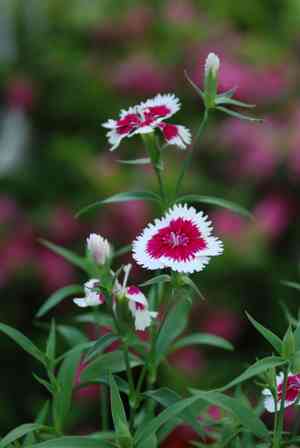
1
Chinese pink flourishes in permeable soil, thus focus on enhancing soil drainage through the addition of organic materials.
2
Keep the soil's pH level between 6.5 and 7.5 to foster robust development and vivid blossoms.
3
Apply a well-balanced fertilizer sparingly to prevent an overabundance of nutrients and potential harm to the plant.
What Type of Soil is Best for Chinese pink?
Loamy Soil
For Chinese pink, a loamy soil type is frequently seen as the ideal choice. Loam consists of an even blend of sand, silt, and clay. This combination fosters a perfect environment because it holds moisture without becoming saturated, drains well, and retains essential nutrients effectively. These characteristics ensure your Chinese pink plants have the water and food needed for strong growth and abundant flowering. To check if your soil is loamy, perform a simple hand test. If the soil forms a loose sphere but easily breaks apart, you have loam.
Sandy Soil
Sandy soil, recognized for its superior drainage, can be a suitable medium for Chinese pink. However, it's crucial to understand that sandy soil tends to dry out quickly and has limited capacity to hold nutrients. To enhance sandy soil, consider incorporating ample organic material. This will aid in moisture retention and provide vital nutrients. Consistent replenishment of organic content will establish a more stable growing environment, facilitating your Chinese pink's prosperity.
Chalky Soil
Chalky soil can also support the cultivation of Chinese pink, though it presents specific difficulties. This soil type is generally alkaline, featuring larger, lighter-colored particles that can lead to rapid drainage. While Chinese pink prefers slightly alkaline conditions, excessive alkalinity might hinder nutrient absorption. To manage chalky soil, blend in organic matter and balanced fertilizers to supply key nutrients. Additionally, periodically check soil pH levels to ensure they remain within the optimal spectrum.
Ideal Soil pH for Chinese pink Growth
Slightly Alkaline Preference
The best soil pH for Chinese pink ranges from 6.5 to 7.5, favoring a slightly alkaline state. Maintaining the correct pH balance is vital as it impacts how available nutrients are, which in turn influences plant vitality and bloom quality. Slightly alkaline soil ensures that crucial nutrients like phosphorus and potassium are readily accessible to the plant, promoting vigorous and healthy development. Regular testing of your soil's pH will help keep it within this desired range.
Managing pH Levels
Controlling soil pH for Chinese pink begins with accurate testing. You can utilize a home pH test kit or submit a soil sample to a local agricultural extension for a detailed report. If your soil is excessively acidic, you can increase the pH by adding garden lime (calcium carbonate). Conversely, if the soil is too alkaline, elemental sulfur or organic compost can assist in lowering the pH. Adjusting pH levels is a gradual process, so remember to monitor the soil regularly to ensure it stays within the optimal spectrum.
How to Ensure Proper Drainage for Chinese pink
Using Organic Matter
Ensuring adequate drainage is essential for Chinese pink, as waterlogged conditions can cause root rot. Adding organic materials such as compost, leaf mold, or well-rotted manure improves soil structure and enhances water flow. Organic matter boosts the soil's capacity to hold moisture while allowing excess water to drain away, creating a perfect balance. Aim to mix in a generous amount of organic matter, roughly one-third of the total soil volume, to gain its benefits.
Incorporating Sand or Perlite
Another effective technique for improving soil drainage involves mixing sand or perlite into the soil. Sand particles create larger spaces for air, boosting drainage, while perlite, a type of volcanic glass, enhances aeration and retains some moisture. Integrate sand or perlite at approximately 10-20% of the total soil volume to prevent the soil from becoming overly loose. This combination ensures Chinese pink gets the necessary water and oxygen without being waterlogged.
Raised Beds Advantages
Utilizing raised beds is an excellent method to guarantee proper drainage for Chinese pink. Raised beds enable you to more effectively manage soil quality and drainage by establishing a contained area with an optimal soil blend. Elevating the growing space improves water runoff and lowers the risk of saturated soil. Raised beds also warm up faster in spring, extending the cultivation period. Ensure your raised bed is at least 6-12 inches (15-30 cm) tall for ideal drainage and root development.
Nutrient Requirements for Chinese pink
Essential Nutrients
For abundant growth and vivid blooms, Chinese pink needs a balanced supply of vital nutrients, including nitrogen (N), phosphorus (P), and potassium (K). Nitrogen supports foliage development, phosphorus is crucial for root growth and flowering, and potassium boosts overall plant health and disease resistance. A balanced fertilizer, such as 10-10-10 or similar, can supply these key nutrients. Additionally, secondary nutrients like calcium, magnesium, and sulfur, along with micronutrients like iron and zinc, play a significant role in overall plant vitality.
Incorporating Fertilizers
When fertilizing Chinese pink, moderation is key. Over-fertilization can result in excessive leafy growth at the expense of flowers and may even harm the plant. Apply a balanced, slow-release fertilizer in early spring when new growth emerges. Carefully follow the package directions to ensure correct application. Liquid fertilizers can also be applied every 4-6 weeks during the active growing season for an additional nutrient boost. Always irrigate your plants after fertilizing to help distribute the nutrients effectively.
Compost Integration
Mixing compost into the soil is an excellent way to provide slow-release nutrients for Chinese pink. Compost enhances soil structure, boosts moisture retention, and delivers a steady supply of organic nutrients. Work compost into the top 4-6 inches (10-15 cm) of soil during planting and top-dress around the plants annually to replenish nutrient levels. Using compost not only nourishes your Chinese pink but also supports soil health and ecological balance.
How to Amend Soil for Chinese pink
Testing Soil Quality
Before modifying your soil for Chinese pink, it's crucial to assess its current condition. A soil test reveals nutrient levels, pH, and overall soil vitality. You can buy a home testing kit or send samples to a local agricultural extension office for a detailed report. This initial data will guide you on which adjustments are necessary to create optimal growing conditions for your plants.
Adding Organic Amendments
Organic soil enhancements such as compost, aged manure, and leaf mold improve soil fertility and structure. These materials contribute essential nutrients and boost the soil's capacity to hold water and support root expansion. Incorporate organic amendments into the soil during initial planting and refresh yearly to maintain soil health. These practices not only benefit Chinese pink but also enhance the entire garden ecosystem.
Adjusting Soil Texture
If your soil's texture is too dense (clay) or too light (sandy), modifying it can establish a more balanced environment for Chinese pink. For clay soils, adding sand and organic matter improves drainage and aeration. In sandy soils, organic matter is vital for better moisture and nutrient retention. Aim to create a well-draining, fertile soil that supports robust root development. Regularly monitor soil texture and amend as needed to maintain optimal conditions.



