Optimal Soil for Growing Cheddar pink: What You Need to Know
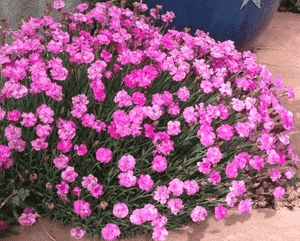
1
Dianthus gratianopolitanus flourishes in soil that drains well, with a pH ranging from 6.5 to 7.5, leaning neutral to mildly alkaline.
2
Incorporating organic material into the ground enhances its structure, makeup, and nutrient levels, greatly benefiting Cheddar pink.
3
Consistent soil analysis assists in preserving ideal growth environments, promoting the long-term vitality and well-being of your Cheddar pink.
What are the Optimal Soil Conditions for Cheddar pink?
Soil pH Requirements
Cheddar pink thrives in soil with a pH between 6.5 and 7.5. This neutral to slightly alkaline environment allows for efficient nutrient uptake. Evaluate your soil pH using a home kit or by submitting a sample to a local agricultural office.
Soil Texture and Composition
The best soil for Cheddar pink is loose and well-aerated, supporting strong root development. Sandy loam is ideal due to its balanced texture, facilitating both proper water drainage and sufficient moisture retention. Achieve this by blending garden soil with sand and organic material.
Drainage Capabilities
Effective drainage is vital for Cheddar pink to prevent root rot and other moisture-related problems. Ensure your garden bed or container has well-draining soil by incorporating coarse sand or fine gravel. Elevated beds can also improve drainage in areas with heavy clay.
Enhancing Soil for Cheddar pink
Amending Soil with Organic Matter
Adding organic materials like compost, aged manure, or leaf mold to the soil significantly boosts its fertility and structure. This practice increases microbial activity and nutrient availability, creating a more favorable environment for healthy Cheddar pink growth.
Using Mulch for Soil Health
Applying a layer of mulch around your Cheddar pink plants helps maintain soil moisture, control weeds, and stabilize soil temperature. Organic mulches such as wood chips, straw, or shredded bark decompose over time, enriching the soil with valuable nutrients.
Common Soil Issues and Solutions for Cheddar pink
Addressing Soil Compaction
Compacted soil can hinder root growth and water penetration. To alleviate this, aerate the soil by gently tilling or using a garden fork to create small openings. Incorporating organic matter can also help loosen the soil over time.
Dealing with Poor Drainage
If your planting area experiences poor drainage, consider amending the soil with coarse sand or gravel to improve its water flow. Alternatively, building raised beds can offer better control over soil conditions, preventing excessive water accumulation.
Balancing Soil pH Levels
Maintaining the correct pH range is crucial for Cheddar pink's well-being. If the soil is too acidic, apply lime to increase the pH. For overly alkaline soils, elemental sulfur can lower the pH. Always retest the soil after adjustments to confirm the desired pH level.
Best Soil Practices for Cheddar pink Longevity
Regular Soil Testing
Periodically testing your soil helps monitor its pH and nutrient content, enabling timely adjustments. Soil test kits are readily available at garden centers, or you can have your soil professionally analyzed at an agricultural extension office.
Seasonal Soil Care
Adopting a seasonal approach to soil care ensures your Cheddar pink plants thrive throughout the year. In spring, add compost or organic matter to revitalize the soil. During the growing season, apply mulch to conserve moisture and suppress weeds. In fall, consider cover cropping to protect and enrich the soil over winter.



