Optimal Soil for Growing Japanese persimmon: What You Need to Know
1
Japanese persimmon trees prosper most favorably in soil with a pH ranging from 6.5 to 7.5.
2
Adding organic materials such as compost can greatly improve the soil's condition for Japanese persimmon trees.
3
Indicators such as chlorotic foliage and hindered development may signal inadequate soil health for your Japanese persimmon tree.
Optimal Soil Type for Japanese Persimmon?
Loamy Soil Qualities
Loamy soil is the perfect choice for Japanese persimmon trees due to its balanced combination of sand, silt, and clay. This mix forms a robust soil structure that holds sufficient moisture while also allowing proper drainage. The composition of loamy soil ensures efficient oxygen delivery to roots, fostering healthy root growth and nutrient uptake.
Importance of Good Drainage
Properly draining soil is critical for Japanese persimmon trees to prevent waterlogging, which can cause root rot and fungal diseases. This soil type allows surplus water to move away from the roots, ensuring they aren't submerged. Adequate drainage helps maintain soil porosity, creating a healthy environment for root expansion and stability.
Ideal pH Range for Growth
The best pH range for Japanese persimmon trees is between 6.5 and 7.5. This slightly acidic to neutral range enables the tree to efficiently absorb vital nutrients from the soil. If the soil's pH deviates from this range, nutrient assimilation can be hindered, resulting in deficiencies and poor tree health. Regular soil testing aids in monitoring and maintaining the perfect pH.
Amending Soil for Thriving Japanese Persimmon Trees?
Adding Organic Material
Incorporating organic matter like compost, aged manure, or leaf mold can significantly enhance soil structure and fertility. Organic matter boosts the soil's moisture retention, enriches its nutrient content, and improves aeration. The gradual decomposition of organic materials also continually supplies nutrients to Japanese persimmon trees, supporting sustained development.
Improving Soil Percolation
To improve soil drainage, you can add coarse sand or fine gravel to your soil blend. This addition helps increase the soil's permeability, ensuring water moves through the soil more effectively. Elevated beds or mounded planting rows are also practical methods to enhance drainage, especially in areas prone to heavy rain or compacted earth.
Adjusting Soil Acidity/Alkalinity
If your soil pH is outside the ideal range of 6.5 to 7.5 for Japanese persimmon trees, you can modify it by using lime to increase the pH or sulfur to decrease it. Lime should be mixed into the soil several months before planting as it acts slowly. Conversely, finely ground sulfur should be applied carefully and according to soil test recommendations to avoid making the soil too acidic.
Indicators of Subpar Soil Conditions in Japanese Persimmon?
Foliage Discoloration (Yellowing)
Yellowing leaves on your Japanese persimmon tree often signal nutrient deficiencies or incorrect soil pH levels. For example, chlorosis, common with iron or nitrogen deficiency, appears as yellowing with green veins. Promptly addressing these signs by supplementing soil nutrients can help restore the tree's vitality.
Restricted Development
Poor soil conditions can lead to inhibited growth in Japanese persimmon trees. If the soil lacks essential nutrients or has an inferior structure, the roots cannot develop correctly, limiting the tree's capacity to grow tall and robust. Regular soil testing and amendments can prevent such growth impediments.
Fruit Development Problems
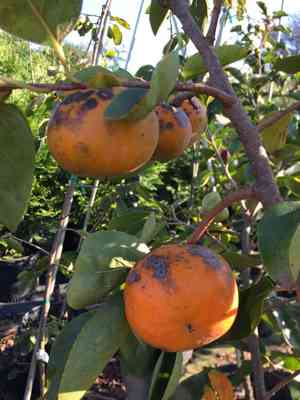
Underdeveloped or malformed fruits can be a symptom of inadequate soil conditions. Poor soil fertility, improper pH, or insufficient water drainage can all contribute to fruit production issues. Ensuring optimal soil conditions helps the tree consistently produce healthy, flavorful fruits.
Preparing Soil for Japanese Persimmon Planting?
Performing a Soil Analysis
Before planting Japanese persimmon trees, it's essential to conduct a soil test to determine its pH, nutrient levels, and texture. This information helps you identify any necessary adjustments to create the best growing environment for your tree. Soil tests can be done through extension services or commercial labs with subsequent amendment advice.
Soil Cultivation and Aeration
Tilling the soil helps break up compacted areas, improving aeration and making it easier for roots to spread. Aerating the soil ensures that oxygen reaches the roots and that water and nutrients are evenly distributed throughout the root zone. This process should be done cautiously to avoid excessively disturbing the soil structure.
Incorporating Fertilizers and Compost
Adding fertilizers and compost to the soil before planting can provide a nutrient-rich foundation for your Japanese persimmon tree. Balanced fertilizers, such as a 10-10-10 blend, supply crucial nutrients like nitrogen, phosphorus, and potassium. Compost improves soil texture and provides micronutrients and organic matter for sustained fertility.
Can Inferior Soil Impact Japanese Persimmon Tree Lifespan?
Effect on Root Establishment
Poor soil conditions can severely hinder root development, leading to weak and shallow root systems. This compromises the tree's ability to absorb water and nutrients, making it susceptible to environmental stresses. Well-structured, nutrient-rich soil is crucial for strong root growth, ensuring the tree's stability and long life.
Vulnerability to Pests and Diseases
Soil conditions significantly influence a tree's susceptibility to pests and diseases. Poorly drained or low-nutrient soils can weaken Japanese persimmon trees, making them more prone to infestations and infections. Healthy soil promotes strong, resilient trees that can better resist pest and disease pressures.
Overall Tree Vitality
The overall health of a Japanese persimmon tree is closely linked to the quality of its soil. Trees growing in well-maintained, nutrient-rich soil display vigorous growth, abundant fruiting, and enhanced resistance to environmental stresses. Regular soil management practices, such as mulching and fertilizing, can help maintain and improve tree health over the long term.



