Optimal Soil for Growing Flame violet: What You Need to Know
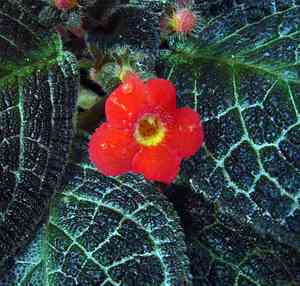
1
Flame violet flourishes in somewhat acidic soil, ideally with a pH between 5.5 and 6.5.
2
Guarantee adequate drainage to avoid root rot, a frequent problem for Flame violet.
3
Periodically loosen the soil to sustain optimal growth conditions for Flame violet.
Optimal Soil Type for Flame Violet
Selecting the Appropriate Soil Blend
When selecting the ideal soil blend for your Flame violet, the primary goal is to achieve a mix that offers sufficient air circulation while retaining some moisture. The perfect blend for Flame violet typically comprises a mix of peat moss, perlite, and vermiculite. Peat moss excels at holding moisture, whereas perlite and vermiculite enhance drainage and aeration, preventing soil compaction. This equilibrium is vital for maintaining root health and ensuring the plant receives adequate water without becoming waterlogged.
Elements of an Ideal Soil Mixture
An optimal soil mixture for Flame violet incorporates specific components that address its requirements for moisture and drainage. Here's a straightforward recipe you can follow for the perfect soil blend:Two parts peat mossOne part perliteOne part vermiculitePeat moss aids in moisture retention, which is crucial for the plant, especially in arid environments. Perlite and vermiculite, conversely, ensure the soil remains well-drained and aerated, preventing root rot and other moisture-related problems. Furthermore, a small quantity of compost can be added to supply essential nutrients.
How to Prepare Soil for Flame Violet
Measuring Soil Acidity Levels
The initial step in preparing soil for Flame violet involves ensuring the soil's pH is at the optimal level. Flame violet thrives in slightly acidic soil, with a pH ranging from 5.5 to 6.5. You can determine the pH level using a soil pH testing kit, readily available at garden centers or online. Simply adhere to the kit's instructions for an accurate reading. If the pH falls outside the desired range, adjustments will be necessary to create the perfect growing environment for your plant.
Adjusting Soil Acidity
If your test indicates that the soil pH is outside the optimal range (5.5 to 6.5), you'll need to make modifications. To decrease the pH (make the soil more acidic), you can incorporate sulfur or aluminum sulfate. These amendments should be thoroughly mixed into the soil. Conversely, to increase the pH (make the soil less acidic), you can add lime to the soil. It's crucial to follow the recommended quantities on the product packaging to avoid over-adjustment. Regular testing can help you monitor and maintain the correct pH levels.
Ensuring Proper Water Runoff
Effective drainage is crucial for the well-being of Flame violet. Without it, the plant's roots can become saturated, leading to root rot and other issues. When preparing the soil, ensure your pot or planting area has sufficient drainage holes. Additionally, adding a layer of small pebbles or gravel at the bottom of the pot can help improve drainage. The soil mix itself, containing perlite and vermiculite, should naturally support good drainage. Always check after watering to confirm that excess water drains out quickly.
Maintaining Soil Health for Flame Violet
Indicators of Excessive and Insufficient Watering
Maintaining appropriate soil moisture is vital for Flame violet. Signs of overwatering include yellowing foliage, mold growth on the soil surface, and a soft stem base. Conversely, indicators of underwatering include dry, brittle leaves, and a drooping appearance. Regularly check the soil moisture by inserting your finger about an inch deep into the soil. If it feels dry, it's time to water. If it feels moist, you can wait a few more days. This routine check can help prevent both overwatering and underwatering.
Incorporating Organic Material
Organic material is essential for preserving soil health as it enhances soil structure, improves moisture retention, and supplies nutrients. You can add organic matter such as compost or well-decomposed manure to your soil mix. This can be done once or twice annually, ideally during the spring and summer growing seasons. Simply mix the organic material into the top few inches of soil. This practice will ensure your Flame violet receives a consistent supply of nutrients and maintains vigorous growth.
Regular Soil Ventilation
Soil ventilation is another critical aspect of maintaining soil health for Flame violet. Compacted soil can hinder root development and reduce oxygen availability. To aerate the soil, you can use a small garden fork or a specialized soil aeration tool to gently create holes in the soil. This process helps improve air circulation and water penetration, leading to healthier roots. Regular aeration, performed once a month, can significantly benefit your Flame violet.
Common Soil Problems for Flame Violet
Identifying Soil Infestations
Soil pests can pose a significant challenge for Flame violet. Common pests include fungus gnats and root mealybugs, which can harm the roots and impact the plant's vitality. To identify these pests, look for signs such as small flying insects around the plant or white, cotton-like substances on the roots. If you observe these signs, consider using organic insecticides or beneficial nematodes to manage the pest population. Regularly inspecting the plant and soil can help detect infestations early.
Preventing Soil-Borne Illnesses
Soil-borne diseases can affect Flame violet, leading to issues like root rot and fungal infections. To prevent these diseases, ensure proper drainage and avoid overwatering. Additionally, use sterilized soil and clean pots to minimize the risk of introducing pathogens. If you suspect a soil-borne disease, it's crucial to act quickly by removing the infected parts of the plant and repotting the healthy sections in fresh, sterile soil. Proactive measures are key to keeping your Flame violet disease-free.
Correcting Nutritional Deficiencies
Nutritional deficiencies can manifest as yellowing leaves, stunted growth, or poor flowering. To rectify these deficiencies, first, identify the specific nutrient lacking by observing the symptoms. Common deficiencies include nitrogen, phosphorus, and potassium. Fertilize your Flame violet with a balanced, water-soluble fertilizer, adhering to the recommended dosage on the label. Regular, balanced fertilization will help maintain healthy growth and vibrant foliage.



