Optimal Soil for Growing Rough horsetail: What You Need to Know
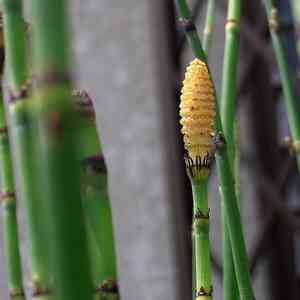
1
Rough horsetail flourishes in substrates with a pH ranging from mildly acidic to neutral, optimally between 6.0 and 7.0.
2
Although it requires ample hydration, Rough horsetail prefers soil that isn't constantly saturated, highlighting the importance of adequate drainage.
3
Incorporating organic material such as compost improves soil fertility and aids in regulating appropriate moisture content.
Optimal Soil Makeup for Rough horsetail
Soil Structure
The soil's physical composition is vital for the thriving of Rough horsetail. An ideal choice is somewhat sandy or loamy earth. Sandy soil guarantees sufficient drainage, preventing water accumulation around the roots, which Rough horsetail values despite its need for dampness. Loamy soil, a mix of sand, silt, and clay, offers a balanced medium with good drainage while still holding adequate moisture and nutrients.
Organic Content
A high concentration of organic materials in the soil greatly benefits Rough horsetail. Organic substances such as compost, decayed leaves, or garden mulch enrich the soil, supplying crucial nutrients necessary for the plant's development. Moreover, organic matter improves soil structure, boosts its water retention capabilities, and encourages beneficial microbial activity. Incorporating compost or well-rotted manure can establish an excellent environment for Rough horsetail.
Soil Acidity/Alkalinity
Maintaining the correct soil pH is critical for Rough horsetail. This plant thrives in slightly acidic to neutral soil, with a pH range of 6 to 7. You can easily check your soil's pH using a home kit from garden centers or online. If your soil's pH is outside this range, you can adjust it by adding lime to raise the pH or sulfur to lower it. Regular pH monitoring helps ensure perfect conditions for Rough horsetail.
How to Enhance Soil Drainage for Rough horsetail?
Drainage Amendments
Improving soil drainage is essential for cultivating healthy Rough horsetail. Mixing in sand, perlite, or crushed gravel can significantly boost drainage. These materials help break up dense soil, increasing void space and decreasing water retention near the plant roots. It's crucial to blend these amendments thoroughly into the soil for an even composition.
Soil Aeration Methods
Aeration is key to maintaining healthy soil. Regularly aerating the soil around your Rough horsetail can prevent compaction and improve air circulation. Simple tools like garden forks or mechanical aerators can help create small holes in the soil, allowing for better oxygen flow and root development. Consistent aeration makes the soil less dense and improves the plant's overall vitality.
Controlling Soil Moisture Levels for Rough horsetail
Mulching Techniques
Mulching is an effective method to help maintain soil moisture for Rough horsetail. Applying a layer of organic mulch, such as straw, wood chips, or shredded bark around the plant's base, can reduce water evaporation. This layer also assists in regulating soil temperature and suppressing weed growth, which could otherwise compete with your Rough horsetail for water and nutrients. Be sure to leave a small gap between the mulch and the plant stem to prevent rot.
Irrigation Practices
Appropriate watering techniques are vital for maintaining proper soil moisture. While Rough horsetail enjoys consistent dampness, excessive watering can cause root rot. Employing a drip irrigation system or soaker hoses can deliver water directly to the root zone, minimizing waste and preventing high humidity around the foliage. Water the soil deeply but less often to encourage deeper root growth, enhancing the plant's resistance to drought.
Monitoring Soil Moisture
Close observation of soil moisture is crucial for the well-being of Rough horsetail. You can use a soil moisture meter for precise readings, ensuring the soil stays consistently moist but not waterlogged. If the soil is too dry or too wet, adjust your watering schedule accordingly. Inserting your finger into the soil up to the first knuckle also serves as a quick check for moisture levels.
Typical Soil Issues and Solutions for Rough horsetail
Soil Compaction
Soil compaction can be a significant problem, hindering water, air, and root penetration. Signs include stunted development and poor water uptake. To fix this, regularly aerate your soil using tools like garden forks or aerators. Incorporating organic matter such as compost can also help improve soil structure and alleviate compaction.
Nutrient Deficiencies
A lack of nutrients can negatively affect the health and growth of Rough horsetail. Yellowing leaves or diminished growth may signal insufficient essential nutrients. Perform a soil test to pinpoint deficient nutrients and amend the soil accordingly. Adding balanced fertilizers or organic compost can replenish lost nutrients and encourage robust growth.



