Optimal Soil for Growing Argyle apple: What You Need to Know
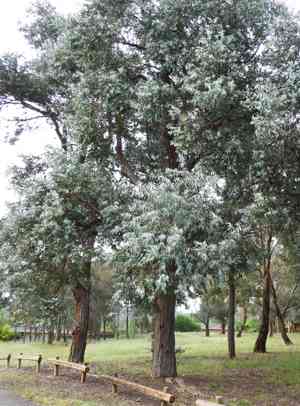
1
Eucalyptus cinerea thrives in soil with a pH from 6.5 to 7.5, leaning slightly acidic to neutral.
2
Routine soil analysis assists in sustaining optimal pH and nutrient concentrations for robust development.
3
Adequate drainage is crucial to avert root decay and other problems linked to excessive moisture.
What Soil Type Does Argyle Apple Require?
Soil Makeup
The Argyle apple flourishes best in well-drained, loamy earth. This tree prefers ground that offers a mix of sand, silt, and clay, providing good drainage while retaining necessary moisture. Loamy soil allows the plant's roots to absorb water and nutrients efficiently. Ensure the soil is rich in organic material to foster healthy development.
Soil Acidity Levels
Maintaining the correct soil pH is vital for Argyle apple. The ideal pH range for this plant is between 6.5 and 7.5. This slightly acidic to neutral pH range ensures that the plant can absorb essential nutrients effectively. Regularly test the soil pH and make adjustments as needed by adding lime to increase the pH or sulfur to decrease it.
Drainage Needs
Adequate drainage is crucial for the health of Argyle apple. Waterlogged soil can lead to root rot and other diseases. Ensure your planting location has good drainage by incorporating organic matter like compost or well-rotted manure. You can also use elevated beds or mounds to enhance drainage if you have heavy clay soil.
How to Prepare Soil for Planting Argyle Apple
Choosing the Right Spot
Selecting the appropriate location is the initial step in preparing the soil for Argyle apple. Choose a site with full sun exposure, as this tree needs ample sunlight to thrive. Ensure the area has good air circulation and is free from overhead obstructions that might shade the plant or compete for nutrients.
Soil Enhancements
Soil amendments can significantly improve soil quality and provide the nutrients necessary for Argyle apple to flourish. Adding compost, aged manure, or peat moss can enhance soil structure and fertility. If your soil is heavy clay, consider adding sand or gypsum to improve texture and drainage. Alternatively, if your soil is sandy, adding organic matter can help retain moisture.
Soil Analysis
Before planting, conduct a soil test to determine the pH level and nutrient content of your soil. Soil testing kits are widely available and easy to use. Based on the test results, you can take appropriate measures to adjust the pH and nutrient levels. For precise recommendations, consider sending a soil sample to a local extension service.
Maintaining Soil Quality for Argyle Apple
Regular Soil Aeration
Aerating the soil helps maintain its quality by improving water infiltration and root penetration. Periodically, use a garden fork or aerator tool to loosen the soil around the Argyle apple. This practice prevents soil compaction and enhances oxygen availability to the roots, promoting healthier growth.
Mulching Methods
Mulching is an effective way to conserve soil moisture, suppress weeds, and regulate soil temperature. Apply a layer of organic mulch, such as wood chips, straw, or leaves, around the base of the Argyle apple. Ensure the mulch is spread evenly and avoid piling it against the trunk to prevent rot. Mulch also adds organic matter to the soil as it decomposes.
Fertilization Advice
Fertilizing Argyle apple ensures that it receives essential nutrients for optimal growth. Use a balanced, slow-release fertilizer with an N-P-K ratio of 10-10-10. Apply fertilizer in early spring and again in late summer. Avoid over-fertilizing, as this can harm the tree and promote excessive leafy growth at the expense of root development.
Common Soil Issues and Solutions for Argyle Apple
Soil Compaction
Soil compaction can be a significant problem, restricting root growth and water infiltration. Combat this issue by regularly aerating the soil and adding organic matter to improve structure. Avoid heavy machinery usage around the tree base, and instead, opt for a light hand tilling approach.
Poor Drainage
Poor drainage can lead to waterlogging, which is detrimental to Argyle apple. Improve drainage by incorporating organic matter and creating raised beds or mounds. Ensure your planting site is on a slope or has a slight elevation to encourage water runoff. Regularly check for standing water and address any drainage issues promptly.
Nutrient Deficiencies
Nutrient deficiencies can manifest in yellowing leaves, poor growth, and reduced vigor. Conduct regular soil tests to monitor nutrient levels. If deficiencies are detected, amend the soil with the appropriate fertilizers. For example, nitrogen deficiency can be addressed with a high-nitrogen fertilizer, while phosphorus and potassium deficiencies can be corrected with specific mineral supplements.



