Optimal Soil for Growing Mottled spurge: What You Need to Know
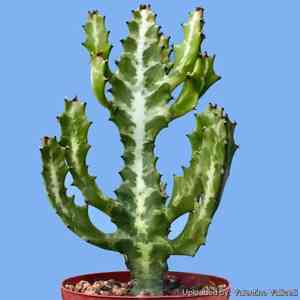
1
Mottled spurge flourishes in soil that drains effectively, averting problems with root decay and excessive moisture.
2
Consistent pH checks of the soil can confirm your Mottled spurge is cultivated within its ideal range of 6 to 7.5.
3
Incorporating organic materials such as compost or mulch can enhance the soil's composition and nutrient content for your Mottled spurge.
What Soil Type Does Mottled Spurge Require?
Optimal Soil Makeup
The Mottled spurge (Euphorbia lactea) thrives in a soil composition that mirrors its native, dry habitat. This necessitates a well-aerated, light, and gritty soil blend. A typical cactus or succulent potting mix is usually perfect. You can also create your own by combining equal parts potting soil, coarse sand, and perlite. This mix ensures good air circulation and prevents compaction, allowing roots to breathe.
Soil pH Needs
Soil pH is vital for plants to access nutrients. For Mottled spurge, the best soil pH range is between 6 and 7.5. This slightly acidic to neutral pH allows the plant to absorb necessary nutrients effectively. If you're unsure of your soil's pH, consider using a soil test kit, available at most garden centers or online. Adjusting soil pH can be done by adding lime to increase it or sulfur to decrease it.
Drainage Requirements
Excellent drainage is crucial for Mottled spurge. These plants are prone to root rot if left in waterlogged soil. Ensure that the pot or ground soil has superior drainage capabilities. For potted plants, selecting containers with drainage holes is essential. You can further improve drainage by adding a layer of gravel or small stones at the pot's base before adding soil. This bottom layer promotes water flow and prevents standing water around the roots.
How to Prepare Soil for Mottled Spurge
Selecting the Correct Soil Blend
Choosing the right soil mix for Mottled spurge is straightforward. As mentioned, a cactus or succulent mix will work well. If you prefer a DIY approach, create a blend with 40% potting soil, 30% coarse sand, and 30% perlite. The key is a mix that drains well yet retains enough moisture to support the plant.
Soil Enhancements and Additives
Improving your soil with amendments can greatly benefit your Mottled spurge. Incorporating organic matter like compost boosts soil fertility and structure. Additionally, adding pumice or crushed granite can further enhance aeration and drainage. For pH adjustments, ground limestone can raise pH, while organic sulfur or peat moss can lower it. Regular enrichment with these additives can create an ideal growing environment for your plant.
Establishing the Perfect Soil Environment
Creating the perfect soil environment demands careful attention. Begin by ensuring your soil is loose and crumbly for good aeration. Check your soil's pH and add necessary amendments to keep it within the 6 to 7.5 range. Also, ensure the planting location (whether a pot or garden bed) has excellent drainage. For garden beds, consider raising the bed or creating mounds to facilitate better water runoff. In pots, use well-draining soil and containers with adequate drainage holes.
Maintaining Soil Health for Mottled Spurge
Routine Soil Analysis
Regular soil testing is a vital practice for the ongoing health of your Mottled spurge. Testing helps monitor pH levels and nutrient status. It's advisable to test your soil at least once a year. You can use DIY kits from garden stores or send samples to a lab for detailed analysis. Based on test results, adjust your soil amendments to maintain ideal growing conditions for your plant.
Fertilization Practices
Fertilization should be done carefully for Mottled spurge. Over-fertilizing can cause nutrient burn, while under-fertilizing may hinder growth. Use a balanced, water-soluble fertilizer diluted to half-strength during the growing season (spring and summer). Apply fertilizer every 4-6 weeks. Alternatively, slow-release fertilizers can be used at the start of the growing season. Organic options like compost tea or diluted fish emulsion can also be beneficial.
Preventing Soil Compaction
Soil compaction restricts root growth and impedes water and air movement. To prevent compaction, avoid overwatering and ensure soil remains loose and crumbly. If you notice compacted soil, gently aerate it using a garden fork or aeration tool. Mulching with organic materials like wood chips or straw can also prevent compaction and retain soil moisture without waterlogging.
Common Soil Issues for Mottled Spurge
Identifying Poor Drainage Problems
Poor drainage can severely harm your Mottled spurge. Signs include yellowing leaves and root rot. To identify drainage issues, check if water pools on the surface for extended periods. If using pots, ensure they have drainage holes and the soil isn't too compacted. For ground plants, amend soil with sand or fine gravel to improve drainage.
Managing Soil Pests
Soil pests like nematodes and grubs can affect your Mottled spurge. These pests feed on roots, leading to stunted growth and yellowing leaves. Use organic pest control methods such as introducing beneficial nematodes, applying neem oil, or using diatomaceous earth. Regularly inspect the plant and soil to detect infestations early and take appropriate action.
Correcting pH Imbalances
pH imbalances can hinder nutrient uptake. Symptoms include discolored leaves and slow growth. Regular soil testing helps identify pH issues. If the soil is too acidic (below 6), add lime to raise the pH. For alkaline soil (above 7.5), sulfur or peat moss can be used to lower the pH. Always follow product instructions for safe and effective application.
FAQs Regarding Mottled Spurge Soil
Can Mottled Spurge Thrive in Sandy Soil?
Yes, Mottled spurge can grow in sandy soil provided it has sufficient nutrients and proper drainage. Sandy soil naturally drains well but might need frequent watering and additional organic matter to retain moisture and provide essential nutrients. Consider blending sandy soil with compost to enhance its structure and fertility.
How Often Should I Replace the Soil?
The frequency of soil replacement depends on the plant's growth and health. For potted Mottled spurge, it's good practice to refresh the soil every 2-3 years. This prevents nutrient depletion and reduces the risk of soil compaction and pest buildup. When refreshing the soil, gently remove the plant, clean the roots, and repot it with fresh, well-draining soil mix.
What Are Indicators of Unhealthy Soil?
Poor soil health can manifest in various ways. Look for yellowing leaves, stunted growth, and inadequate drainage. A sudden decline in plant health might also signal pests or diseases in the soil. Regular inspection and soil testing can help identify and correct these issues early, ensuring your Mottled spurge remains healthy and vibrant.



