Optimal Soil for Growing Leopard plant: What You Need to Know
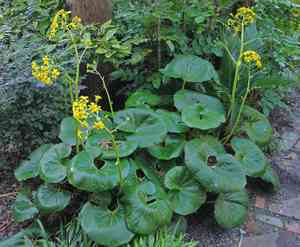
1
Leopard plant thrives in soil with a pH between 6.5 and 7.5, which facilitates nutrient uptake.
2
Periodic soil testing assists in sustaining ideal nutrient and pH equilibrium.
3
Incorporating compost into the soil enriches its nutritional value and boosts the plant's general well-being.
Optimal Soil Type for Leopard Plant
Soil with Good Drainage
A crucial element for a thriving Leopard plant is soil that drains efficiently. This species dislikes being in constantly waterlogged conditions, as it can cause root decay. Seek out a soil mixture with a proper balance of organic materials and sand to facilitate good drainage. For example, combining potting soil with perlite or coarse sand will help achieve this ideal equilibrium.
Soil Rich in Nutrients
The Leopard plant flourishes in soil abundant with nutrients. Organic materials like compost or decomposed manure are excellent additions to your soil blend. These components not only supply vital nutrients but also enhance the soil's structure, promoting easier root development and nutrient uptake for the Leopard plant. Ensure regular nutrient replenishment, especially during its active growth phase.
Correct Soil pH Level
Maintaining the appropriate soil pH is essential for the Leopard plant. The plant's ideal pH range is between 6.5 and 7.5. Soil that is neutral to slightly acidic allows the plant to absorb nutrients effectively. You can easily assess your soil's pH using a testing kit, commonly available at most garden supply stores.
Preparing Soil for Leopard Plant
Selecting the Appropriate Soil Blend
When getting soil ready for your Leopard plant, it's vital to begin with a versatile potting mix that meets the plant's requirements. Look for a blend that incorporates both organic compost and ample air space. A standard houseplant mix can serve as a good foundation, to which you can add compost and a small quantity of sand or perlite to boost drainage.
Improving Drainage with Additives
Enhanced drainage is critical for preventing water saturation. Incorporating perlite, coarse sand, or bark chips into your potting mix can significantly improve soil aeration and water flow. This ensures that surplus water drains away efficiently, thereby minimizing the risk of root rot.
Nourishing the Soil
Nourishing the soil will supply the essential nutrients for the Leopard plant's healthy development. A balanced, slow-release fertilizer applied at the start of the growing season will consistently feed the plant. For an organic method, compost tea or fish emulsion can also provide excellent nourishment.
Indicators of Subpar Soil Quality for Leopard Plant
Foliage Discoloration (Yellowing)
Yellowing leaves are a frequent indicator of poor soil quality, often pointing to nutrient deficiencies or improper pH levels. If you observe the leaves turning yellow, it's a sign to test your soil, investigate for nutrient imbalances or pH issues, and amend as needed.
Impaired Growth
A Leopard plant experiencing stunted growth might be struggling in dense or nutrient-poor soil. If the plant appears to be growing slowly or not at all, it could be time to refresh the soil or incorporate some organic matter to enhance its nutrient content.
Root Decay Problems
Root rot develops in poorly-draining soil that stays excessively wet, leading to soft, darkened roots. If your Leopard plant exhibits wilting symptoms despite adequate watering, inspect the roots and the soil's moisture level. Improving soil drainage and reducing watering frequency can help prevent root rot.
Maintaining Optimal Soil Health for Leopard Plant
Regular Soil Analysis
Routine soil testing is an excellent method to ensure your Leopard plant’s soil remains in peak condition. Utilize a soil test kit every few months to check pH levels and nutrient content, making adjustments as necessary to sustain the ideal growth environment.
Supplementing Soil Nutrients
Add amendments such as compost or well-rotted manure to restore nutrients in the soil. Consistently mixing in organic matter can rejuvenate depleted soil and enhance its structure, offering ongoing support for your Leopard plant.
Effective Irrigation Practices
Effective irrigation techniques are vital for preserving healthy soil. Water your Leopard plant when the top inch of soil feels dry, and ensure excess water can drain away. Overwatering can lead to waterlogged soil conditions that are detrimental to the plant’s roots.



