Optimal Soil for Growing Spanish bluebell: What You Need to Know
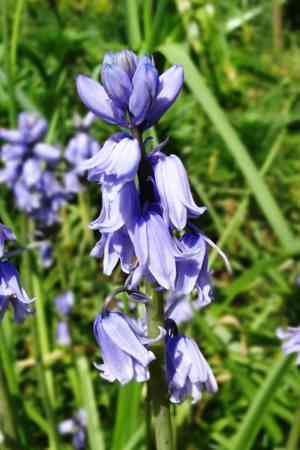
1
Confirm that the soil's pH level for Spanish bluebell is within the 6.5 to 7.5 range. Optimal growth occurs in neutral to mildly acidic soil.
2
Do not use dense clay or excessively sandy soils for Spanish bluebell, as these can impede adequate water drainage and root development.
3
Periodically analyze the soil during the year to track essential elements such as pH, nutrient levels, and moisture content.
Optimal Soil for Spanish Bluebell
Ideal Soil Characteristics
For cultivating Spanish bluebell, it's crucial to utilize soil that is fertile, drains well, and possesses a slightly acidic to neutral pH. The best soil contains a balanced mix of organic material and nutrients to support robust floral development. Its texture should be loamy, indicating an even blend of sand, silt, and clay. This composition promotes effective drainage while retaining adequate moisture.
Soil pH Requirements
Spanish bluebell flourishes in soil with a pH level between 6.5 and 7.5. pH is a critical factor influencing nutrient availability to plants. Testing your soil to confirm it falls within this range can enhance the plants' ability to absorb vital nutrients. Simple soil testing kits are available at garden centers and offer a good indication of your soil's pH.
Drainage and Aeration
Excellent drainage is vital for Spanish bluebell. While these bulbs require moisture, they are susceptible to rot if left in waterlogged conditions. Ensure the soil has good drainage properties to prevent standing water. Additionally, sufficient aeration allows roots to access necessary oxygen for growth, preventing fungal diseases and encouraging better development.
Preparing Soil for Spanish Bluebell Planting
Assessing Soil Quality
Prior to planting, it's important to evaluate your soil's quality. A thorough soil analysis can provide details on pH, nutrient levels, and composition. You can submit a sample to a local agricultural extension office or use a home testing kit. Understanding these specifics will guide how you amend your soil to create the perfect environment for your Spanish bluebell.
Amending Soil
Based on your soil test results, you might need to add amendments to optimize conditions for Spanish bluebell. If your soil is excessively sandy, incorporate organic matter like compost or aged manure to improve moisture retention. For clay soils, adding sand and compost can enhance drainage and prevent waterlogging. These steps ensure the soil has the correct texture and nutrients.
Ensuring Proper Drainage
To achieve adequate drainage, especially in dense soils, you may need to implement additional measures such as elevating planting beds or creating channels for water to flow away from the planting area. Planting Spanish bluebell bulbs in raised beds or elevated garden plots can prevent water from accumulating around the bulb roots, which helps avoid issues like rot.
Maintaining Soil Health for Spanish Bluebell
Regular Soil Testing
Consistent soil testing ensures that its pH and nutrient levels remain ideal for Spanish bluebell. Testing once or twice annually can help you monitor any changes in soil composition that might impact plant health. These tests will inform your soil amendment practices so you can maintain optimal growing conditions throughout the seasons.
Seasonal Soil Amendments
Different seasons affect soil quality uniquely, necessitating seasonal amendments. In spring, replenish soil organic matter by adding compost to provide the nutrients essential for vigorous growth during the blooming phase. In late fall, apply mulch as a top-dressing to protect the soil from erosion and winter weather, and to slowly nourish the soil as it decomposes.
Organic Practices
Adopt organic methods to sustainably maintain your soil's health. Practices such as crop rotation, using organic fertilizers, and avoiding harsh chemical pesticides help keep the soil ecosystem balanced and thriving. Incorporating these methods supports a healthy environment for your Spanish bluebell and encourages continued vibrant growth year after year.
Common Soil Issues for Spanish Bluebell
Identifying Poor Drainage
Inadequate drainage can be a significant problem for Spanish bluebell. Indicators of poor drainage include waterlogged soil, stunted plant growth, and yellowing foliage. To address this, ensure the soil is properly amended before planting and consider installing drainage solutions like French drains or raised beds.
Managing Soil Compaction
Soil compaction hinders root development and restricts water and air penetration. To prevent and manage compaction, avoid walking on wet garden beds and regularly aerate the soil by lightly tilling or using a garden fork. Adding organic matter can also help maintain a loose, airy soil structure.
Correcting pH Imbalances
If your soil pH falls outside the optimal range for Spanish bluebell, you'll need to take steps to adjust it. For soil that is too acidic (below pH 6.5), adding lime can help increase the pH. If the soil is too alkaline (above pH 7.5), sulfur or organic matter such as pine needles can help lower it. Always retest the soil after making adjustments to ensure it reaches the desired range.



