Optimal Soil for Growing Common holly: What You Need to Know
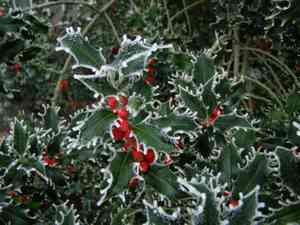
1
Common holly thrives in soil that is slightly acidic to neutral, ideally within a pH spectrum of 6.5 to 7.5.
2
Adding organic material to the ground aids in enhancing its capacity to hold water and deliver nutrients.
3
Consistent soil analysis and observation are crucial for the optimal growth of your Common holly.
What Soil Type Does Common holly Prefer?
Understanding Soil Composition
To ensure your Common holly flourishes, first understand its preferred soil type. Common holly thrives in loamy soil, a balanced blend of sand, silt, and clay. This mix provides excellent drainage while retaining necessary moisture and nutrients. It's crucial to avoid overly heavy or clayey soil, which can cause poor drainage and root rot. Incorporating organic materials like compost or well-rotted manure can help achieve the perfect soil structure.
Ideal Soil pH Levels
Regarding soil pH, Common holly prospers in a slightly acidic to neutral setting, ideally between 6.5 and 7.5. Monitoring and adjusting soil pH is vital; if the soil is too alkaline, essential nutrients like iron may become unavailable, leading to deficiencies. Garden centers offer soil pH testing kits to help you track this.
How to Amend Soil for Common holly
Improving Drainage
Effective drainage is crucial for your Common holly's health. If your soil holds too much water, you can enhance drainage by adding sand or gravel. Building raised garden beds or creating gentle slopes can also help excess water drain away more efficiently, preventing root rot and other moisture-related problems.
Increasing Soil Acidity
To maintain optimal soil pH for Common holly, you might need to increase its acidity periodically. Adding peat moss, sulfur, or acidic mulches like pine needles can help lower the pH. Always adhere to recommended quantities to prevent making the soil excessively acidic, which can be as detrimental as alkaline soil.
Incorporating Organic Matter
Adding organic matter significantly improves soil texture, water retention, and nutrient availability. Compost, leaf mold, and aged manure are excellent choices. Thoroughly mix them into the soil to enhance its fertility and support for your Common holly.
Nutrient Requirements for Common holly
Essential Nutrients
Common holly needs a balanced supply of key nutrients such as nitrogen, phosphorus, and potassium to grow well. These nutrients support various growth functions: nitrogen promotes lush foliage, phosphorus aids root development, and potassium contributes to overall plant vigor. Regular application of a balanced fertilizer helps maintain adequate nutrient levels.
Signs of Nutrient Deficiency
Nutrient deficiencies in Common holly can show in different ways. Yellowing leaves might signal a lack of nitrogen, while weak root growth could indicate phosphorus deficiency. If the plant seems feeble or its growth is stunted, potassium deficiency might be the cause. Regular soil testing and proper fertilization can resolve these issues.
How to Test and Monitor Soil for Common holly
Soil Testing Methods
Testing your soil is fundamental to maintaining your Common holly's health. You can use do-it-yourself soil testing kits from garden stores or send samples to a local agricultural extension service for a more detailed analysis. These tests provide insights into soil pH and nutrient levels, allowing for more informed decisions on amendments and fertilization.
Regular Soil Monitoring Tips
Consistent soil monitoring plays a big role in ensuring your Common holly flourishes. Schedule tests annually or bi-annually to track any changes. Pay close attention to the soil's texture and moisture, and look out for any signs of plant stress, which often stem from soil problems.
Common Soil Issues and Solutions for Common holly
Compacted Soil
Compacted soil can impede root growth and hinder water and nutrient absorption. To alleviate this, aerate the soil using a garden fork or aerator tool to create small channels that allow air, water, and nutrients to reach the plant roots more effectively.
Waterlogged Soil
Waterlogged soil can lead to root rot and other health problems for Common holly. To address this, enhance drainage by incorporating sand or gravel into the soil. Raised garden beds can also help elevate the plant and improve water runoff, preventing waterlogging.
Nutrient-Imbalanced Soil
If your Common holly isn't thriving despite adequate watering and sunlight, the soil might lack essential nutrients. Perform a soil test to identify deficient nutrients and apply suitable fertilizers to restore balance. Compost and other organic matter can also help replenish soil nutrient levels.



