Optimal Soil for Growing Chinese holly: What You Need to Know
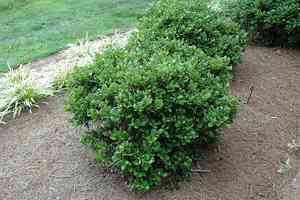
1
The Chinese holly thrives in soil that is mildly acidic to neutral, ideally with a pH range of 6.5 to 7.5.
2
Effective drainage is essential for Chinese holly; prolonged saturation can cause root decay.
3
Adding organic materials such as compost can greatly enhance the soil's structure and nutritional value.
Optimal Soil Traits for Chinese Holly
Ground Type and Consistency
For the vigorous, evergreen growth of Chinese holly, selecting the appropriate ground type and consistency is vital. This plant prospers in well-draining loam, which is an even blend of sand, silt, and clay. The loamy texture ensures sufficient water retention while permitting surplus water to drain efficiently, preventing waterlogging. Adding organic material like compost can further enhance the ground's structure, making it more supportive for root development and nutrient absorption.
pH Level Needs
Chinese holly thrives best in ground with a pH between 6.5 and 7.5, which is slightly acidic to neutral. Maintaining this pH range is crucial as it influences the availability of nutrients in the ground. If the ground is excessively acidic or alkaline, it can hinder the plant’s capacity to absorb vital nutrients, resulting in stunted growth and poor development. Routine ground testing can help monitor and adjust the pH as needed.
Nutrient Composition
For Chinese holly to display vivid foliage and robust growth, the ground must be rich in essential nutrients. Organic matter such as compost or well-decomposed manure can boost ground fertility by providing nitrogen, phosphorus, and potassium. Micronutrients like iron, manganese, and zinc are also significant, and their availability can be affected by the ground pH. Ensuring a balanced nutrient profile supports the plant’s overall vitality and resistance to pests and diseases.
How to Prepare the Ground for Chinese Holly
Clearing Debris and Unwanted Plants
Begin by clearing the planting area of any refuse, stones, and weeds. Removing these impediments is critical as they can compete with Chinese holly for nutrients and moisture. Weeds, in particular, can harbor pests and diseases that might harm your plant. A clean, obstruction-free area sets the stage for a healthier growing environment.
Loosening the Earth
Aerating the earth is an important step in preparing it for Chinese holly. Use a garden fork or tiller to break up compacted ground, which improves air circulation and allows roots to penetrate more easily. Aim to loosen the earth to a depth of about 30 cm (12 inches) to create ideal conditions for root growth and development.
Enriching with Organic Material
Incorporating organic material into the earth can significantly improve its structure and fertility. Add a generous amount of compost, well-rotted manure, or leaf mold to the earth, mixing it thoroughly. Organic material enhances water retention, drainage, and nutrient content, creating a more welcoming environment for Chinese holly.
Ensuring Proper Drainage
Good drainage is essential for Chinese holly, as waterlogged ground can lead to root rot and other problems. If your garden earth tends to hold too much water, consider elevating the planting bed or adding sand to enhance drainage. Planting on a slight incline can also help excess water run off, ensuring the roots remain healthy and oxygenated.
Common Ground Issues and Remedies for Chinese Holly
Addressing Insufficient Drainage
Poor drainage can suffocate the roots of Chinese holly, causing decay and stunted development. To resolve this issue, you can elevate the planting bed and mix in coarse sand or gravel to enhance ground aeration and drainage. Installing a French drain or grading the planting area to facilitate water runoff can also help alleviate drainage problems.
Adjusting Ground pH
If your ground's pH falls outside the optimal range of 6.5 to 7.5, it can negatively impact nutrient availability. For ground that is excessively acidic, adding lime can help increase the pH. Conversely, for alkaline ground, incorporating elemental sulfur or organic materials like pine needles can help decrease the pH. Regular ground testing will guide you in making precise adjustments.
Managing Ground Nutrient Deficiencies
Nutrient shortages in the ground can lead to stunted growth and health issues in Chinese holly. If you observe signs such as yellowing leaves or poor development, it may indicate a lack of essential nutrients. Incorporating a balanced, slow-release fertilizer specifically formulated for holly plants can correct these deficiencies. Remember to follow the recommended application rates to avoid over-fertilization, which can be equally detrimental.
Maintaining Ground Health for Chinese Holly
Consistent Ground Analysis
Consistent ground analysis is a vital part of maintaining ground health for Chinese holly. By testing your ground at least once a year, you can ascertain its pH level, nutrient content, and overall condition. Ground testing kits are widely available, or you can use professional services for a more in-depth analysis. The findings will help you make informed decisions about any necessary ground amendments.
Seasonal Ground Care Advice
Seasonal care is crucial to ensure the ongoing health of the ground supporting your Chinese holly. In the spring, top-dress the ground with compost to add nutrients and improve texture. During the growing season, mulch around the base of the plant to retain moisture and suppress weeds. In the fall, consider adding a layer of leaf mold to protect the ground during the winter months. These seasonal practices help maintain a fertile and supportive environment for your plant throughout the year.



