Optimal Soil for Growing Pride of India: What You Need to Know
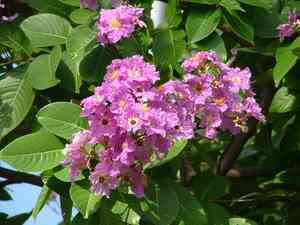
1
Achieve adequate soil drainage by blending in organic materials such as compost.
2
The Pride of India flourishes in a soil acidity level between 6 and 7, which is somewhat acidic to neutral.
3
Frequent soil aeration can relieve the problem of compacted soil.
What are the Best Earth Substrates for Pride of India?
Loamy Earth
Loamy earth is frequently considered superior for Pride of India due to its balanced composition and texture. It comprises roughly equal parts of sand, silt, and clay, offering excellent drainage while retaining adequate moisture for the plant. Moreover, loamy earth is rich in nutrients, which promotes plant development. It's ideal because it provides an environment that strongly supports root growth and facilitates proper air and water exchange.
Sandy Earth
Sandy earth, characterized by its sizable, gritty particles, provides superb drainage. While Pride of India can thrive in sandy earth, it's crucial to enrich it with organic material to boost its nutrient content and moisture retention. The main benefit of sandy earth is its ability to prevent waterlogging, which can cause root decay. However, without suitable modifications, it might require more frequent watering and fertilization.
Clay Earth
Clay earth can present challenges for Pride of India due to its dense and compacted nature. It holds more water and can lead to inadequate drainage–not optimal for many plants. To remedy this, blending clay earth with organic substances like compost or peat moss can enhance its texture and drainage. It's vital to ensure the earth does not remain waterlogged as it can result in root ailments and impede the plant's development.
How to Prepare the Ground for Pride of India Planting?
Checking Ground pH
Before planting Pride of India, it is essential to check the ground's pH. The optimal ground pH for this plant ranges from 6 to 7, being slightly acidic to neutral. You can utilize a ground pH test kit, available at most gardening stores, to ascertain your ground's pH level. Adjusting your ground to this range will aid in optimal nutrient uptake, ensuring vigorous and vibrant growth.
Amending Ground for Enhanced Drainage
Improving ground drainage is crucial for Pride of India. Modifying your ground with materials such as sand, perlite, or fine gravel can improve its drainage capabilities. Ensuring that water does not pool around the roots will prevent common problems like root rot. Regularly evaluating and enhancing drainage will significantly contribute to sustaining healthy growth.
Incorporating Organic Material
Incorporating organic material such as compost, well-decomposed manure, or leaf mold enriches the ground with vital nutrients and improves its structure. Organic materials assist in moisture retention while allowing excess water to drain away, thereby creating an ideal growth environment. Adding organic material annually can considerably boost the ground's fertility and health.
What Ground pH is Best for Pride of India?
Optimal pH Spectrum
The best ground pH spectrum for Pride of India is between 6 and 7. This mildly acidic to neutral range permits the plant to efficiently access essential nutrients. Maintaining this pH ensures that the plant's roots can absorb vital nutrients such as nitrogen, phosphorus, and potassium, which are critical for sturdy growth and flowering.
How to Alter Ground pH
Adjusting ground pH to suit Pride of India's requirements can be accomplished using simple amendments. To increase ground pH (make it more alkaline), you can add lime or wood ash. To decrease the pH (make it more acidic), substances like sulfur, peat moss, or pine needles can be used. It's always advisable to retest the ground pH after modifications to confirm it reaches the desired level.
How to Identify and Resolve Common Ground Issues for Pride of India
Detecting Insufficient Drainage
Indicators of insufficient drainage include water collecting at the plant's base and yellowing foliage, signifying overwatering. To rectify this issue, enhance ground drainage by incorporating coarse sand or perlite. Additionally, ensure the planting location allows for proper water runoff to prevent water accumulation.
Identifying Nutrient Deficiencies
Nutrient shortages often present as yellowing leaves, stunted development, or poor blooming. Perform a ground test to pinpoint specific nutrient lacks. Based on the findings, you can amend the ground with suitable fertilizers or organic matter to replenish missing nutrients.
Ground Compaction Difficulties
Compacted ground hinders root expansion and water penetration, leading to substandard plant health. Regularly aerate the ground using implements like a garden fork or an aerator to break up compressed areas. Adding organic material can also enhance ground structure and lessen compaction.
Ground Pathogens and Pests
Ground-dwelling pathogens and pests can harm Pride of India. Symptoms include wilting, discolored foliage, or visible insect activity. To tackle these problems, employ disease-resistant plant varieties and maintain good garden hygiene, such as clearing away affected plant debris. Ground solarization or introducing beneficial nematodes can also help reduce pathogen and pest populations.



