Optimal Soil for Growing Summer snowflake: What You Need to Know
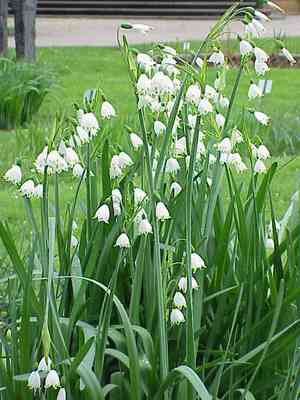
1
Summer snowflake flourishes optimally in soil with a pH range of 6.5 to 7.5.
2
Adding organic matter like compost greatly improves soil richness and composition for Summer snowflake.
3
Consistent application of mulch aids in preserving soil hydration and warmth, promoting robust root development.
Optimal Soil Types for Summer Snowflake
Characteristics of Well-Draining Soil
The primary requirement for thriving Summer snowflake is soil that drains effectively. Summer snowflake cannot endure standing water, as it often results in root rot. The best soil type permits water to pass through easily while still holding enough moisture for the roots. Sandy loam or loamy soils with good texture and structure are excellent choices. To assess soil drainage, dig a hole approximately 30 cm (12 inches) deep and fill it with water. If the water drains within an hour, your soil has adequate drainage.
Soil pH Requirements
Maintaining the correct pH level is vital for the healthy development of Summer snowflake. This plant flourishes in slightly acidic to neutral soils, with a pH range of 6.5 to 7.5. You can easily check your soil's pH using a home testing kit or by submitting a sample to a local agricultural extension service. If your soil's pH falls outside the ideal range, consider applying lime to raise the pH or sulfur to lower it.
Organic Matter Content
Adding organic material to your garden soil can significantly benefit Summer snowflake. Organic matter, such as decomposed leaves, compost, and well-rotted manure, improves soil structure, enhances drainage, and boosts nutrient content, creating a fertile environment for Summer snowflake. Aim for at least 20% organic matter in your soil to ensure it is sufficiently rich.
Preparing Soil for Summer Snowflake Planting
Soil Analysis and Amendments
Prior to planting, it's advisable to conduct a thorough soil analysis to determine its composition and pH levels. This will help you understand which amendments are necessary to create optimal growing conditions for Summer snowflake. Most garden centers offer soil testing kits, but you might also consider sending a sample to a professional service for a more detailed assessment. Based on the results, you can add amendments like compost to enhance organic matter, lime to increase pH, or sulfur to decrease pH.
Effective Drainage Solutions
Ensuring proper drainage is crucial for Summer snowflake to prevent root rot. If your garden has poorly draining soil, consider constructing raised beds or incorporating sand and gravel to improve soil texture and drainage. Another effective solution is to create planting mounds, which elevate the root zone above potentially waterlogged soil, thereby improving drainage.
Incorporating Organic Compost
Adding organic compost to your soil is one of the best ways to prepare it for Summer snowflake. Compost not only enriches the soil with essential nutrients but also enhances its moisture retention capabilities. Spread a layer of compost about 5-10 cm (2-4 inches) thick over the soil and mix it into the top 20 cm (8 inches). This ensures that the roots of your Summer snowflake plants have access to the rich, fertile soil they require.
Maintaining Soil Health for Summer Snowflake
Regular Soil Testing
To keep your soil in prime condition for Summer snowflake, perform regular soil tests, ideally every two years. This helps you monitor pH levels and nutrient content, allowing you to make timely adjustments. Consistent testing ensures that your Summer snowflake continues to receive the appropriate growing conditions, promoting healthier and more robust plants.
Mulching Techniques
Mulching is an excellent method to preserve soil health. Apply a 5-7.5 cm (2-3 inch) layer of mulch around your Summer snowflake plants to help retain soil moisture, suppress weeds, and regulate soil temperature. Organic mulches like shredded leaves, straw, or bark chips also decompose over time, adding valuable organic matter to the soil.
Fertilization Best Practices
Fertilization plays a vital role in maintaining soil health for Summer snowflake. Use a balanced, slow-release fertilizer to supply essential nutrients. Apply the fertilizer in early spring to give your plants a strong start for the growing season. Avoid excessive fertilization, as this can lead to nutrient imbalances and potential harm to the plants.
Common Soil Issues and Solutions for Summer Snowflake
Compacted Soil
Compacted soil can hinder root growth and reduce water infiltration, negatively affecting Summer snowflake development. To alleviate soil compaction, aerate your soil regularly using a garden fork or aerator. Incorporate organic matter to improve soil structure and loosen dense areas.
Nutrient Deficiencies
Indicators of nutrient deficiencies in Summer snowflake include yellowing leaves and stunted growth. Conduct a soil test to pinpoint specific deficiencies and amend the soil accordingly. Using a balanced fertilizer can help address common deficiencies in nitrogen, phosphorus, and potassium.
Overwatering and Root Rot
Overwatering is a frequent problem that can lead to root rot in Summer snowflake. Ensure your soil has good drainage and be mindful of watering practices. Water only when the top 5-10 cm (2-4 inches) of soil feels dry to the touch. Elevate plants or enhance drainage in areas prone to waterlogging.



