Optimal Soil for Growing Dense blazing star: What You Need to Know
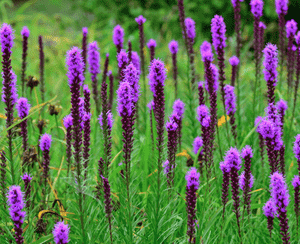
1
Dense blazing star thrives in soil that is mildly acidic to neutral, ideally with a pH range of 6.5 to 7.5.
2
Adding organic materials, like well-rotted compost, greatly enhances soil quality for Dense blazing star.
3
Regular soil analysis is key to preserving ideal growth environments and avoiding a lack of essential nutrients.
Optimal Soil for Dense Blazing Star
Desired Soil Attributes
The Dense blazing star flourishes in aerated, rich soil that retains moisture effectively without becoming waterlogged. This plant prefers soil with a slightly acidic to neutral pH, ideally between 6.5 and 7.5. The ground should be porous enough for root aeration yet dense enough to hold essential nutrients and water.
Pre-Planting Soil Analysis
Prior to cultivating Dense blazing star, it is vital to analyze your soil to ascertain its pH level and nutritional composition. Soil analysis kits are readily available at garden centers and offer a thorough assessment of your soil's characteristics. Understanding your soil's condition enables informed decisions regarding necessary improvements to meet the specific needs of Dense blazing star.
Adjusting Soil for Dense Blazing Star
Enhancing Soil Drainage
Effective drainage is critical for Dense blazing star, as it guards against root rot and other moisture-related issues. To boost soil drainage, integrate sand, grit, or perlite into your garden soil. Elevated garden beds can also be an effective strategy to avoid saturated conditions. Additionally, confirm your planting area does not pool water following heavy rainfall.
Adjusting Soil pH
Soil pH influences how readily plants can absorb nutrients. If your soil's pH falls outside the optimal range of 6.5 to 7.5, you can modify it. To elevate soil pH (increase alkalinity), incorporate lime. To decrease soil pH (increase acidity), add sulfur or peat moss. Always re-check the soil after making adjustments to confirm the pH level.
Incorporating Organic Material
Organic matter, such as compost or well-aged manure, improves soil structure, nutrient levels, and water retention. Blend organic material into the soil to a depth of 30 cm (12 inches) to create a fertile environment that supports vigorous Dense blazing star growth. Regular replenishment of organic matter helps sustain long-term soil vitality.
Common Soil Issues and Fixes for Dense Blazing Star
Resolving Inadequate Drainage
Poor drainage can be very harmful to Dense blazing star. To fix this, you may need to further enhance soil permeability by mixing in coarse sand or constructing elevated planting areas. Moreover, ensure your garden has proper water runoff and isn't situated in a low spot where water tends to collect.
Addressing Nutritional Deficiencies
Insufficient nutrients can hinder plant development and reduce blooming. If a soil test reveals a lack of key nutrients like nitrogen, phosphorus, or potassium, apply suitable fertilizers to restore these elements. Balanced, slow-release fertilizers are beneficial as they deliver a consistent supply of nutrients over time.
Counteracting Soil Loss
Soil erosion can deplete the soil and compromise plant stability. To prevent erosion, consider planting groundcover species around your Dense blazing star. Mulching and utilizing erosion control fabrics can also help shield the soil from wind and water erosion, preserving nutrients and fostering healthy plant development.
Maintaining Soil Health for Dense Blazing Star
Regular Soil Examinations
Consistent soil testing is vital for preserving optimal growing conditions for Dense blazing star. Perform soil tests at least once annually to monitor pH levels and nutrient content. This practice enables timely adjustments and ensures ongoing plant vitality.
Applying Mulch
Mulching assists in maintaining soil moisture, suppressing weeds, and stabilizing soil temperature. Organic mulches, such as shredded bark or straw, break down over time, enriching the soil with beneficial organic matter. Spread a 5-8 cm (2-3 inches) layer of mulch around your Dense blazing star, keeping it a few centimeters away from the plant's stem to prevent rot.
Implementing Crop Rotation
Rotating crops minimizes the accumulation of soil-borne pests and diseases and aids in sustaining soil fertility. If you're cultivating Dense blazing star in a vegetable garden, vary its planting location each year or every few years with different plant families. This approach prevents soil depletion and fosters a healthier growing environment.



