Optimal Soil for Growing Perennial ryegrass: What You Need to Know
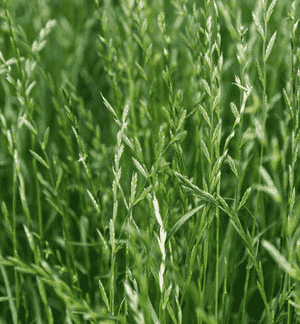
1
Perennial ryegrass flourishes optimally in soil that is mildly acidic to neutral, having a pH range of 6 to 7.
2
Incorporating compost or thoroughly decomposed manure can greatly enhance the soil's composition and vitality.
3
Consistent soil analysis is crucial for sustaining appropriate nutrient concentrations and pH equilibrium.
Optimal Soil pH for Perennial Ryegrass
Significance of Soil pH
Soil pH is a vital element for cultivating robust Perennial ryegrass. The perfect pH range for this grass variety is between 6 and 7. But why is soil pH so critical? Essentially, pH influences the accessibility of nutrients in the soil. When the pH is excessively low (acidic) or too high (alkaline), it can lead to nutrient imbalances, negatively impacting the grass's development and vitality. Appropriate pH levels ensure that essential nutrients like nitrogen (N), phosphorus (P), and potassium (K) are readily available to the plants. Maintaining this equilibrium can significantly enhance the overall health and look of your lawn.
Assessing and Adjusting Soil pH
Prior to planting Perennial ryegrass, it's crucial to test your soil's pH. You can acquire a soil testing kit from your local garden center or submit a sample to a laboratory for more precise outcomes. Once you determine your soil's pH, you can take measures to modify it if needed.If your soil is overly acidic (below 6), you can incorporate lime (calcium carbonate) to elevate the pH.If your soil is too alkaline (above 7), sulfur or ammonium sulfate can help decrease the pH.Always adhere to the manufacturer's guidelines when applying these amendments, and retest your soil regularly to ensure it stays within the ideal range for Perennial ryegrass.
Nutrient Needs for Perennial Ryegrass
Key Nutrients: NPK Ratio
For Perennial ryegrass to flourish vigorously, it requires a balanced provision of essential nutrients. The primary nutrients it needs are nitrogen (N), phosphorus (P), and potassium (K), commonly known as the NPK ratio.Nitrogen promotes lush, green development and is crucial for photosynthesis.Phosphorus supports root growth and enhances stress resilience.Potassium boosts overall plant health and disease resistance.A balanced fertilizer with an NPK ratio such as 3-1-2 or 4-1-2 is often suggested for Perennial ryegrass. Applying this mixture according to package directions will ensure your grass receives the necessary nutrients.
Understanding Trace Elements
While NPK nutrients are essential, Perennial ryegrass also needs several micronutrients in smaller quantities. These include iron, manganese, zinc, copper, molybdenum, and boron. Micronutrients are just as important as primary nutrients because they play crucial roles in plant metabolism and enzyme functions.Deficiencies in any of these micronutrients can cause visible signs on your grass, such as yellowing foliage or stunted growth. To prevent this, conduct regular soil analyses that check for these micronutrients, and apply suitable supplements if a deficiency is found. Some fertilizers include micronutrients in their formula, simplifying the provision of a balanced nutrient supply.
Soil Enhancements for Nutrient Optimization
To guarantee Perennial ryegrass receives a consistent supply of nutrients, it's often necessary to amend the soil. Organic additions like compost, well-rotted manure, and bone meal can enrich the soil, improve its texture, and boost nutrient availability.Compost increases organic matter, enhancing soil structure and fertility.Well-aged manure adds both nutrients and beneficial microorganisms to the soil.Bone meal is an excellent source of phosphorus and calcium.Regularly incorporating these organic amendments can create a more favorable environment for Perennial ryegrass growth.
Soil Texture and Structure for Perennial Ryegrass
Importance of Proper Drainage
Effective drainage is vital for healthy Perennial ryegrass growth. Poorly drained soil can lead to waterlogged conditions, which suffocate roots and encourage diseases. Ensuring your soil has adequate drainage helps maintain an optimal balance of water and air in the root zone.To improve drainage, consider adding organic material like compost or sand to heavy clay soils. Raised beds can also be an effective solution for enhancing drainage in areas prone to excessive moisture.
Methods to Enhance Soil Structure
Soil structure refers to how soil particles are organized and clustered together. Good soil structure allows for better air and water movement, which is crucial for Perennial ryegrass.To improve your soil structure:Incorporate organic matter regularly, which helps bind soil particles into aggregates, creating a crumbly texture.Avoid compacting the soil by limiting foot traffic and using appropriate lawn care tools.Mulch your grass to protect the soil surface and reduce erosion.
Best Soil Types for Perennial Ryegrass
The ideal soil for Perennial ryegrass is a loamy soil that balances sand, silt, and clay. Loamy soils offer excellent drainage, nutrient availability, and moisture retention – all critical factors for healthy grass growth.Sandy soils drain quickly but may need frequent irrigation and fertilization.Clay soils retain water and nutrients well but can become compacted and poorly drained.If your native soil falls at either extreme, amending it with organic matter and other appropriate materials can help create the optimal conditions for Perennial ryegrass.
Maintaining Soil Health for Perennial Ryegrass
Significance of Organic Matter
Maintaining high levels of organic matter in your soil is crucial for supporting Perennial ryegrass. Organic matter improves soil structure, fertility, and microbial activity, all of which contribute to better grass growth.Adding compost, leaf mold, or well-aged manure to the soil boosts its organic content and improves its ability to retain moisture and nutrients.
Techniques for Soil Aeration
Soil aeration involves creating small openings in the soil to allow air, water, and nutrients to penetrate the root zone. Aeration reduces soil compaction, enhances root development, and improves overall soil health.For small lawns, manual aeration tools like garden forks can be effective. For larger areas, consider renting a mechanical aerator for efficient results. The best time to aerate is during the growing season when Perennial ryegrass is actively growing, usually in the spring or fall.
Mulching and Topdressing
Mulching and topdressing are excellent practices for maintaining soil health. Mulching involves spreading organic material over the soil surface to conserve moisture, reduce weeds, and improve soil quality as it decomposes. Topdressing involves adding a thin layer of soil or compost over your lawn to enrich the existing soil and improve its structure.Both practices can significantly enhance the overall health and appearance of your Perennial ryegrass lawn, promoting strong, vibrant growth.



