Optimal Soil for Growing Tenweeks stock: What You Need to Know
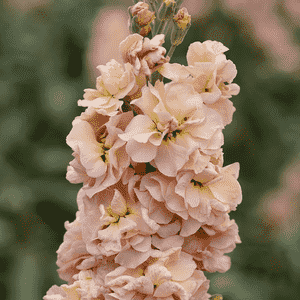
1
Tenweeks stock flourishes in soil that drains effectively and is mildly alkaline, with a pH range of 6.5 to 7.5.
2
Routine soil analysis aids in maintaining Tenweeks stock's health by detecting and rectifying nutrient shortages.
3
Adding organic materials such as compost enhances the soil, boosting its composition and nutrient content.
What Soil Type Does Tenweeks Stock Prefer?
Soil Makeup
The composition of the soil is vital for Tenweeks stock. This attractive flowering plant flourishes in loamy soilâa balanced blend of sand, silt, and clay. This equilibrium allows roots to access nutrients while ensuring proper water drainage and air circulation.
Optimal pH Levels
A key element for robust Tenweeks stock development is the soil's pH. These plants favor a slightly alkaline to neutral soil, with a pH range of 6.5 to 7.5. Regular soil pH testing will guarantee your Tenweeks stock has the best environment for efficient nutrient absorption.
Drainage Needs
Tenweeks stock cannot endure waterlogged conditions, making effective drainage crucial. Ensure your soil drains well to prevent root rot by incorporating sand or gravel, if needed. Use raised garden beds or pots with drainage holes to improve water movement away from the roots.
How to Test Soil for Tenweeks Stock
Basic Soil Testing Kits
Simple soil testing kits offer an economical way to evaluate soil pH and nutrient content. These kits typically include pH strips and chemical probes that enable you to monitor your soil's health. Consistent testing helps you make timely adjustments to meet your Tenweeks stock's requirements.
Professional Soil Analysis
For a more thorough understanding of your soil's makeup, consider a professional soil analysis. Local agricultural extension services or private laboratories provide detailed reports on nutrient levels, pH values, and soil texture. This information is invaluable for optimizing soil conditions for peak Tenweeks stock growth.
Interpreting Test Results
Understanding your soil test outcomes is essential for effective soil management. Look for key indicators such as pH levels, and the balance of nitrogen, phosphorus, and potassium. If pH or nutrient levels fall outside the recommended range, take corrective action by adjusting soil amendments accordingly.
Amendments to Enhance Soil for Tenweeks Stock
Organic Material
Adding organic matter like leaf mold, peat moss, or organic compost improves soil fertility and structure. The decomposition of these organic substances slowly releases nutrients, providing a steady supply for your Tenweeks stock.
Compost and Manure
Incorporating well-rotted compost or manure enriches the soil with vital nutrients and beneficial microorganisms. Compost boosts soil fertility and helps retain moisture, while manure adds organic material and natural fertilization. Ensure manure is aged to avoid harming the plants.
Mineral Additives
Mineral supplements such as lime or gypsum can adjust soil pH and improve texture. Lime increases soil pH, making it more alkaline, which is ideal for Tenweeks stock. Gypsum enhances soil structure and drainage without altering pH, making it an excellent choice for clay-heavy soils.
Common Soil Issues and Solutions for Tenweeks Stock
Soil Compaction
Compact soil can restrict root growth and nutrient uptake. You can alleviate soil compaction by regularly aerating your garden beds or adding organic matter to improve soil structure. Raised beds are another method to prevent compaction.
Nutrient Deficiencies
Nutrient shortages appear as discolored leaves or stunted development. Conducting soil tests helps pinpoint deficiencies, allowing you to amend the soil with appropriate fertilizers or organic materials to restore balance.
Poor Drainage
Inadequate drainage leads to root diseases in Tenweeks stock. To counter this, improve soil texture by adding organic matter or sand to enhance aeration and water flow. Elevated garden beds or containers with drainage holes are effective alternatives for improving drainage.
Seasonal Soil Care for Tenweeks Stock
Spring Preparation
Preparing your soil in spring involves tilling and adding compost to enrich the soil before planting. Conduct soil tests to adjust pH and nutrient levels. This proactive approach establishes a healthy environment for your Tenweeks stock.
Summer Maintenance
During the active growth period, consistent watering and mulching help maintain moisture and control weeds. Monitor soil conditions to ensure balanced nutrient levels and proper drainage. Light, frequent fertilization can support continuous blooming.
Fall Amendments
Applying a layer of compost or well-rotted manure in fall replenishes soil nutrients depleted during the growing season. This organic matter breaks down over winter, preparing the soil for the next planting cycle and ensuring ongoing fertility for your Tenweeks stock.
Winter Protection
Preparing your soil for winter involves mulching to insulate plant roots from freezing temperatures. A thick layer of straw or leaf mulch protects the soil structure and retains moisture, ensuring your Tenweeks stock can withstand the colder months and emerge healthy in spring.



