Optimal Soil for Growing Spearmint: What You Need to Know
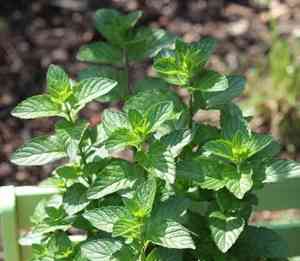
1
Spearmint prospers in ground with an acidity range of 6.5 to 7.5.
2
Incorporating compost or aged manure enhances the organic content of the soil for Spearmint.
3
Periodically check your soil to sustain optimal conditions for Spearmint development.
What Soil Type Does Spearmint Require?
Soils with Good Drainage
When selecting a growing medium for Spearmint, it is crucial to pick a type that drains effectively. Inadequate drainage can lead to oversaturated conditions, which are harmful to Spearmint roots, promoting rot and illnesses. Sandy loam or a specific herb mix are excellent choices as they allow water to pass through efficiently while retaining necessary moisture. To further improve drainage, consider incorporating perlite or coarse sand into your soil blend.
Loamy Soil Makeup
Spearmint thrives in loamy soil due to its balanced composition of silt, sand, and clay. This mixture ensures proper aeration and moisture retention, both vital for robust root development. To check if your soil is loamy, perform the ribbon test: moisten a small amount of soil and try to form a ribbon between your fingers. Loamy soil will create a short, breakable ribbon.
How to Improve Soil for Spearmint Cultivation
Incorporating Organic Matter
Organic matter is vital for enhancing soil structure, fertility, and its ability to hold moisture. You can introduce compost, well-rotted manure, or leaf mold to your soil to increase its organic content. Spread a layer of organic material about 5-10 cm (2-4 inches) thick over your planting area and mix it into the top 15-20 cm (6-8 inches) of soil. This method will enrich the soil with nutrients, stimulate microbial activity, and improve water percolation.
Adjusting Soil pH Levels
Spearmint flourishes in a slightly acidic to neutral pH range, ideally between 6.5 and 7.5. It is essential to test your soil's pH before planting. If the pH is too low (acidic), adding lime can help raise it. Conversely, if the pH is too high (alkaline), sulfur or peat moss can lower it. Consistent monitoring and adjustments will ensure your soil maintains the optimal pH for vigorous Spearmint growth.
Typical Soil Problems for Spearmint
Soil Compaction
Soil compaction is a frequent issue that can impede Spearmint growth by restricting root expansion and diminishing soil aeration. To prevent compaction, avoid walking on or heavily compressing the soil around your plants. Periodically aerate the soil by gently turning it with a garden fork or aerator, ensuring it stays loose and crumbly. Applying mulch can also help preserve soil structure by reducing surface crusting and compaction.
Nutrient Deficiencies
Nutrient shortages can appear in Spearmint as yellowing foliage, stunted development, or poor yields. Regularly fertilize your Spearmint with a balanced, general-purpose fertilizer or a specialized herb formula. Organic additions such as compost or worm castings can also enrich the soil with vital nutrients. Conducting a soil test can pinpoint specific deficiencies, allowing you to correct them with targeted amendments.
Expert Advice for Maintaining Spearmint Soil Quality
Consistent Soil Analysis
Monitoring your soil's health is an ongoing task. Regular soil testing—at least once annually—helps you track nutrient levels and pH. Home testing kits are widely available and user-friendly, or you can send samples to a local agricultural extension service for a more detailed analysis. This practice ensures you can make informed decisions about any necessary soil amendments to maintain ideal growing conditions for your Spearmint.
Correct Fertilization Schedule
Implementing a proper fertilization routine is crucial for healthy Spearmint plants. Begin by applying a balanced, slow-release fertilizer in early spring at the start of the growing season. Follow up with monthly applications of a liquid fertilizer high in nitrogen to encourage lush, green growth. Be careful not to over-fertilize, as this can lead to nutrient imbalances and harm the plant. Always water the soil thoroughly after applying fertilizers to minimize the risk of root burn.



