Optimal Soil for Growing Scarlet beebalm: What You Need to Know
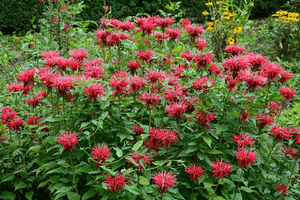
1
Scarlet beebalm flourishes optimally in permeable, rich soil with a pH ranging from 6.5 to 7.5.
2
Consistent soil loosening promotes root growth and general plant vitality.
3
Adding organic materials like compost or fertilizer improves soil quality and increases nutrient access.
Optimal Soil Type for Scarlet Beebalm
Preferred Soil Consistency
The most suitable soil consistency for Scarlet beebalm is loamy. Loamy soil offers an ideal mix of sand, silt, and clay, ensuring excellent drainage and nutrient retention. This soil type facilitates easy root development and access to necessary water and nutrients. Its slightly granular nature also allows sufficient air to reach the roots, crucial for robust plant growth.
Desired Soil pH Levels
Maintaining the appropriate pH level is essential for Scarlet beebalm's health. The perfect soil pH ranges from 6.5 to 7.5. This slightly acidic to neutral range guarantees the plant can efficiently absorb nutrients from the soil. Checking your soil's pH and making adjustments can prevent common nutrient deficiencies and encourage strong development.
Nutrient-Rich Soil Requirements
Soil abundant in nutrients is vital for successfully growing Scarlet beebalm. Enhance your soil with organic materials like compost or aged manure. These organic additions boost soil nutrients and improve its structure. Essential nutrients such as nitrogen, phosphorus, and potassium must be present to support various aspects of the plant's growth, from foliage development to root strength and bloom production.
Preparing Soil for Scarlet Beebalm Planting
Soil Analysis Procedures
Before planting Scarlet beebalm, it's crucial to analyze your soil. You can use a home testing kit or submit a sample to a local extension service or laboratory. This will provide detailed information about your soil's pH level, nutrient content, and texture. With this data, you can make informed decisions regarding necessary soil improvements.
Soil Modification Techniques
Based on your soil test results, you might need to modify your soil. If the pH is too low, consider adding lime to increase it. Conversely, if it's too high, sulfur can be used to decrease it. Organic matter like compost should be thoroughly mixed into the soil to enhance its nutrient content and structure. Balanced fertilizers can also be applied, especially if deficiencies are identified.
Drainage Improvement Solutions
Effective drainage is critical for Scarlet beebalm. To improve drainage, you might incorporate sand or fine gravel into your soil, particularly if it's clay-heavy. Raised beds or mounds can also offer better drainage, allowing excess water to move away from the roots and preventing waterlogging.
Sustaining Soil Health for Scarlet Beebalm
Regular Soil Aeration
Consistent soil aeration ensures that air reaches the plant roots, which is vital for healthy growth. This can be achieved by using a garden fork or a mechanical aerator to loosen the soil surface. This practice prevents soil compaction and promotes better water penetration and root expansion.
Seasonal Soil Enrichment
Each season, it's beneficial to enrich the soil by adding a layer of compost or organic mulch. This provides a continuous supply of nutrients and helps maintain soil moisture. Additionally, it can inhibit weed growth and foster a thriving soil ecosystem.
Addressing Soil Compaction
Soil compaction can hinder root growth and limit water and nutrient absorption. Prevent this by avoiding heavy foot traffic around your Scarlet beebalm plants and regularly loosening the soil. Raised beds can also help manage compaction risks, keeping the soil light and airy.
Common Soil Problems for Scarlet Beebalm and Their Solutions
Recognizing Poor Soil Drainage
Inadequate soil drainage can lead to root rot and other issues. Indicators include water pooling on the surface after heavy rains and a foul odor suggesting anaerobic conditions. To fix this, improve soil structure with organic matter and ensure proper garden design to divert excess rainwater away from the plants.
Correcting Soil pH Imbalances
pH imbalances can manifest as nutrient deficiencies or toxicity. Yellowing leaves might indicate high pH, while acidic soil could slow plant growth. Simple soil tests can identify the problem, and amendments like lime or sulfur can adjust the pH as needed.
Nutrient Deficiency Symptoms and Cures
Nutrient deficiencies in Scarlet beebalm may appear as pale leaves, stunted development, or poor blooming. Address these by testing the soil and applying specific fertilizers as required. For instance, an all-purpose fertilizer can resolve nitrate deficiencies, while bone meal can supply phosphorus.



