Optimal Soil for Growing Ivy geranium: What You Need to Know
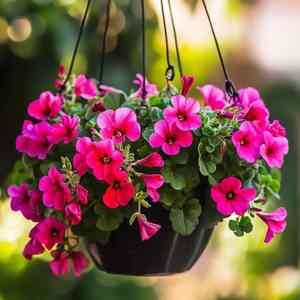
1
Ivy geranium flourishes in loamy soil because of its balanced composition and nutrient content.
2
Keeping the soil pH between 6.5 and 7.5 allows Ivy geranium to absorb nutrients most effectively.
3
Adding organic material greatly improves the soil's structure and water drainage.
Optimal Soil Type for Ivy Geranium
Advantages of Loamy Soil
Loamy soil stands out as an excellent medium for cultivating Ivy geranium. This soil type features a balanced blend of sand, silt, and clay. Such a composition guarantees ideal moisture retention and proper drainage, offering a stable environment for the plant's development. The rich nutrient content within loamy soil promotes robust growth and abundant flowering of Ivy geranium. Furthermore, its structure facilitates effective root expansion, fostering overall plant vitality.
Avoiding Clay and Sandy Soils
Clay and sandy soils are generally unsuitable for Ivy geranium. Clay soil tends to be overly dense, which can impede root development and reduce air circulation. This soil type can also retain excessive water, leading to waterlogged conditions that may cause root rot. Conversely, sandy soil drains too rapidly, resulting in a quick loss of vital nutrients and moisture. To improve non-ideal soils, consider incorporating organic matter to enhance their texture and nutrient-holding capacity.
Ideal Soil pH for Ivy Geranium
pH Range 6.0 to 7.5
Ivy geranium thrives in a slightly acidic to neutral pH range, specifically from 6.0 to 7.5. This range supports the plant's efficient absorption of essential nutrients. Maintaining this pH level ensures that the nutrients present in the soil are readily available for root uptake, which is vital for the plant's healthy growth and prolific blooming periods.
Checking Soil pH
Regular testing is essential for maintaining the optimal pH range for Ivy geranium. Home gardeners can utilize a straightforward soil pH testing kit, available at garden centers. Alternatively, submitting a soil sample to a local agricultural extension office can provide a more thorough analysis. If your soil pH falls outside the ideal range, amendments like garden lime (to increase pH) or sulfur (to decrease pH) can be used for adjustment.
Enhancing Soil Drainage for Ivy Geranium
Adding Organic Material
Improving soil drainage for Ivy geranium is critical, particularly in soils heavy with clay. Incorporating organic materials such as compost, well-decomposed manure, or leaf mold into your garden bed can be beneficial. These organic additions improve soil structure by increasing the spaces between particles, thereby enhancing both drainage and aeration. Aim to apply a 2-3 inch (5-7.6 cm) layer of organic matter and mix it to a depth of about 12 inches (30 cm) for best results.
Utilizing Sand and Perlite
When facing poor drainage, amending your soil with coarse sand or perlite can be advantageous. These materials do not break down, offering long-term improvements to soil structure. Adding sand or perlite helps create larger pore spaces within the soil, promoting better water movement and reducing the risk of root rot. A suitable mix would be approximately 70% soil to 30% sand/perlite.
Nutrient Needs for Ivy Geranium Soil
Key Nutrients: Nitrogen, Phosphorus, and Potassium
Ivy geranium requires a balanced supply of essential nutrients for optimal development. Nitrogen is crucial for leaf and stem growth, phosphorus supports root and flower formation, while potassium boosts the plant's overall vigor and disease resistance. Ensuring your soil contains these nutrients is vital for thriving Ivy geranium plants.
Applying Balanced Fertilizers
Using a balanced fertilizer can replenish vital nutrients in your soil. A balanced fertilizer, indicated by equal numbers (e.g., 10-10-10, representing Nitrogen-Phosphorus-Potassium), should be applied according to package directions. For garden beds, a quarterly application during the growing season helps maintain nutrient levels. For container plants, a water-soluble fertilizer applied every 4-6 weeks can keep your Ivy geranium healthy and flourishing.
Common Soil Issues and Solutions for Ivy Geranium
Soil Compaction Problems
Soil compaction can significantly hinder root growth. To address this, loosen the soil by tilling or creating air pockets through aeration tools, or even by introducing earthworms. These methods help improve aeration and allow roots to expand freely.
Resolving Insufficient Drainage
For inadequate drainage, enhancing soil structure is paramount. Amend your soil with organic matter or sand as previously mentioned. Raised beds can also improve drainage by elevating the soil level, allowing excess water to move away from plant roots more effectively.
Addressing Nutrient Deficiencies
Nutrient deficiencies often manifest as symptoms like yellowing leaves or stunted growth. Soil testing guides the precise amendments needed. For instance, yellow leaves frequently indicate a nitrogen deficiency, which can be corrected by adding a nitrogen-rich compost or fertilizer. Tailor your fertilizer application based on the specific deficiency identified by soil test results.



