Optimal Soil for Growing Buddhist pine: What You Need to Know
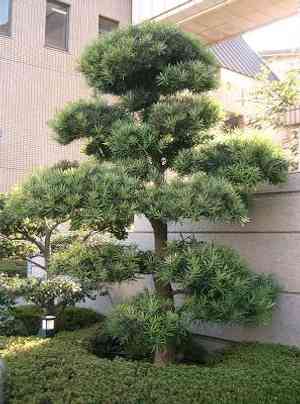
1
Buddhist pine flourishes optimally in soil with a pH range of 6.5 to 7.5, indicating a slightly acidic to neutral preference.
2
Amending the soil consistently with organic materials like compost can improve its nutritional value and overall structure.
3
Transplanting your Buddhist pine every 2-3 years encourages more robust development and avoids the roots becoming pot-bound.
Optimal Soil Type for Buddhist Pine
Well-Draining Substrate Blend
The Buddhist pine, also known as Podocarpus macrophyllus, thrives in a well-draining soil mixture. This is crucial for preventing water accumulation, which can lead to root decay. A good starting point is a sandy loam or a blend containing equal parts peat, pine bark, and perlite. Proper drainage ensures root aeration and promotes vigorous growth and healthy foliage.
Soil Acidity/Alkalinity Considerations
Soil pH is vital for the Buddhist pine's development. The ideal pH range for this plant is between 6.5 and 7.5, which is slightly acidic to neutral. You can use a soil pH meter to assess your soil's levels and adjust as needed. If the pH is too low (acidic), adding dolomitic lime can help raise it. Conversely, if the soil is too high (alkaline), incorporating sulfur or peat moss can help lower it to a more suitable level.
Amending Soil for Buddhist Pine
Integrating Organic Matter
Incorporating organic material into the soil benefits Buddhist pine cultivation. Organic matter like compost, aged manure, or leaf mold significantly improves soil structure, boosts nutrient content, and enhances water retention. Work the organic material into the soil to a depth of about 15-20 centimeters (6-8 inches). This process enriches the soil and fosters beneficial microbial activity, aiding the plant's overall health.
Utilizing Sand and Perlite
For the Buddhist pine, ensuring adequate soil aeration and drainage is essential. One method to achieve this is by adding sand or perlite to your soil mix. Sand improves drainage and prevents soil compaction, which can suffocate roots. Perlite, a volcanic glass, expands when heated, creating a lightweight, porous material. Adding perlite to your soil mix increases aeration, allowing roots easier access to oxygen. Incorporate about 10-20% sand or perlite into your soil blend to maximize these advantages.
Soil Replacement Frequency for Buddhist Pine
Indicators for Re-Potting
Knowing when to refresh the soil for your Buddhist pine is crucial for its well-being. Key signs that it's time to re-pot include roots emerging from drainage holes, soil drying out quickly after watering, and stunted growth. If you observe these indicators, it clearly suggests your plant has outgrown its current container or the soil has become nutrient-depleted.
Optimal Season for Soil Renewal
The best time to re-pot your Buddhist pine is in early spring before the active growing season commences. This timing allows the plant to adapt to its new soil environment and roots to begin absorbing nutrients during the peak growth period. Re-potting in spring also minimizes transplant shock and provides the plant with fresh, nutrient-rich soil, setting the stage for robust development.
Common Soil Issues for Buddhist Pine and Their Solutions
Addressing Soil Compaction
Soil compaction is a frequent problem that can impede your Buddhist pine's growth. Compacted soil restricts root expansion and limits oxygen and water access to the roots. To resolve this, aerate the soil by gently loosening it with a hand fork or garden claw. Additionally, adding organic matter can enhance soil structure and prevent future compaction. Regular maintenance ensures your plant's roots have the necessary space and resources to flourish.
Resolving Poor Drainage Problems
Poor drainage is another critical issue that can impact your Buddhist pine's health. If you notice water pooling on the soil surface after irrigation, it's time to address this problem. To improve drainage, ensure your soil mixture contains components like sand, perlite, or coarse grit. Furthermore, verify that your plant pot has adequate drainage holes. For ground-planted specimens, creating a raised bed or planting on a slope can also enhance drainage.



