Optimal Soil for Growing Common selfheal: What You Need to Know
1
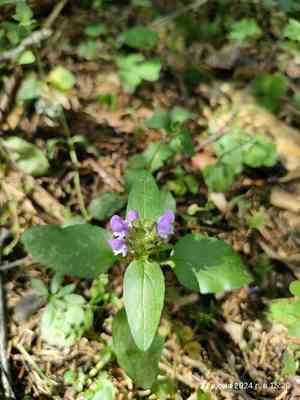
Prunella vulgaris flourishes optimally in soil that drains effectively, possessing a pH ranging from somewhat acidic to neutral, specifically 6.5 to 7.5.
2
Incorporating organic materials such as compost enhances soil structure, water permeability, and nutrient levels, which benefits Prunella vulgaris.
3
Consistent application of mulch helps maintain soil hydration, inhibits weed growth, and contributes organic material as it breaks down.
Optimal Soil Type for Common Selfheal?
Perfect Soil Makeup
For successful Common selfheal cultivation, beginning with the correct soil composition is key. This plant thrives in well-draining soil rich in organic material. Sandy loam or loamy soils are ideal, offering a balance of moisture retention and efficient drainage. Mixing in compost or aged manure before planting boosts fertility and structure, supplying the nutrients Common selfheal needs to flourish.
Soil Texture and Water Flow
Soil texture significantly impacts Common selfheal's development. Overly heavy soil, like clay, can hold too much water, leading to root rot. Conversely, very sandy soil might drain too quickly, depriving the plant of vital moisture. Aim for a crumbly texture that allows deep water penetration yet drains effectively. For heavy clay, consider amending with sand or organic matter to enhance structure and drainage.
Maintaining Soil Health for Common Selfheal?
Organic Matter and Ground Cover
Sustaining healthy soil is crucial for Common selfheal's continuous growth. A proven method is the regular incorporation of organic matter, such as compost or leaf mold. This not only enriches the soil with nutrients but also encourages beneficial microbial activity. Applying organic mulches like straw or wood chips around plant bases helps retain soil moisture, suppress weeds, and, as they decompose, further enrich the soil.
pH Levels and Nutrient Balance
Common selfheal is adaptable but grows best in soil with a pH between 6.5 and 7.5. Routine soil testing helps monitor pH levels, ensuring they stay within the optimal range. If the soil is too acidic, adding lime can raise the pH; sulfur can lower it if too alkaline. Additionally, maintaining a balanced nutrient supply through occasional fertilization ensures robust plant growth and vitality.
Common Soil Issues for Common Selfheal?
Compressed Soil
Soil compaction is a frequent problem that can hinder Common selfheal's growth. Compacted soil restricts root development and water absorption, leaving plants stressed and undernourished. To remedy this, regularly aerate the soil by tilling or using garden forks. This breaks up dense layers, allowing roots to penetrate deeper and access necessary nutrients and water.
Poor Drainage and Saturation
Another concern is inadequate drainage, which can lead to waterlogging and root rot. If you observe water pooling around your Common selfheal after heavy rains, it may be time to address drainage issues. Raised beds or planting on slopes can improve water runoff. Additionally, amending the soil with organic matter can enhance its structure and water-holding capacity, preventing the adverse effects of waterlogged conditions.
Improving Soil for Common Selfheal Growth?
Adding Compost and Organic Material
Amending soil to promote better Common selfheal growth can be simple and effective. Incorporate generous amounts of compost or well-rotted manure into your garden beds to supply essential nutrients and improve soil structure. Compost enhances soil aeration and water retention, and also fosters beneficial microbial activity, aiding in the breakdown of organic material into usable plant nutrients.
Correcting pH Imbalances
If soil tests reveal pH imbalances, addressing these is vital for your Common selfheal's health. To increase soil pH, add ground limestone. To decrease it, incorporate elemental sulfur or aluminum sulfate. Adjustments should be made gradually and rechecked periodically, ensuring the pH remains within the optimal 6.5 to 7.5 range for peak growth.
Seasonal Soil Care for Common Selfheal
Spring and Summer: Active Growth
During the active growth periods of spring and summer, ensure your Common selfheal receives consistent moisture. Water regularly and apply mulch to retain soil moisture. Fertilize lightly with a balanced, slow-release product to provide continuous nourishment throughout the growing season. Checking for signs of nutrient deficiencies, such as yellowing leaves, helps in prompt issue resolution.
Fall and Winter: Preparation Phase
In fall and winter, focus on preparing the soil for the next growing season. Clear away dead plant material and add a layer of compost to replenish nutrients. Mulching with organic materials protects the soil from erosion and temperature fluctuations. Consider planting a cover crop like clover or rye to prevent soil compaction and naturally improve soil health.



