Optimal Soil for Growing Autumn sage: What You Need to Know
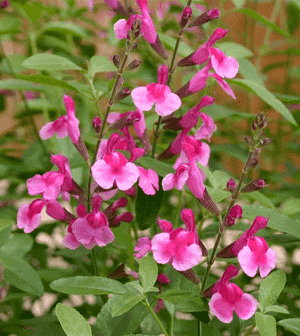
1
Autumn sage flourishes optimally in soil having a pH level between 6.5 and 7.5.
2
Adding organic matter like compost significantly boosts the soil's nutritional value.
3
Proper water drainage is crucial for Autumn sage to avoid root decay.
Optimal Soil pH for Autumn Sage
Preferred pH Range
The best soil pH for cultivating Autumn sage is between 6.5 and 7.5. This slightly acidic to neutral range allows the plant to efficiently absorb vital nutrients from the soil. Maintaining the correct pH is crucial, as extreme acidity or alkalinity can hinder nutrient uptake, leading to stunted growth and poor flowering.
Checking Soil pH
To confirm your soil is within the ideal pH range, regular testing is recommended. Simple soil pH kits are readily available at most garden centers, offering quick results. For a more comprehensive analysis, you can submit soil samples to a local agricultural extension office. Consistent testing helps monitor pH shifts and maintain optimal soil conditions.
Adjusting Soil pH
If your soil pH falls outside the desired range, modifications can be made. To increase soil pH (reduce acidity), you can incorporate lime. Conversely, to decrease pH (reduce alkalinity), adding elemental sulfur is effective. Apply these changes gradually and re-test the soil after each adjustment to avoid over-correcting pH levels.
Soil Composition for Autumn Sage
Preferred Soil Types
Autumn sage thrives in well-draining soil types such as sandy or loamy soils. These soils prevent waterlogging—which can cause root diseases—and provide adequate aeration, essential for healthy root development.
Key Soil Components
While good drainage is vital, incorporating organic matter like compost or aged manure supplies crucial nutrients and enhances soil texture. Organic components boost soil fertility, supporting robust growth and abundant blooms.
Recommended Soil Mixes
A suggested soil blend for Autumn sage includes a mix of sandy soil, organic compost, and a small amount of perlite or vermiculite to improve drainage. This combination balances nutrient content and drainage properties, creating an ideal growing environment.
Improving Soil Drainage for Autumn Sage
Importance of Proper Drainage
Excellent drainage is vital for Autumn sage, as it prevents water from accumulating around the roots, which can lead to root rot and other plant ailments. Ensuring proper drainage promotes sufficient air circulation in the root zone, fostering healthier root systems.
Drainage Enhancement Techniques
To improve soil drainage, consider these methods:Mix coarse sand or fine gravel into the planting area.Construct raised beds to elevate plants above ground level, preventing water stagnation around the roots.Use containers with drainage holes if growing Autumn sage indoors or on patios.
Common Drainage Issues and Solutions
Typical drainage problems include compacted soil and poor soil structure. For compacted soil, aerate by using a garden fork to loosen the soil without disturbing plant roots. If the soil structure is poor, amend it with organic matter like compost or peat moss to improve texture and drainage capacity.
Amending Soil for Autumn Sage
Organic Amendments
Organic additions such as compost, mulch, and well-rotted manure introduce essential nutrients and organic matter to the soil. These amendments enhance soil fertility and water retention, promoting plant growth and vitality. Regular incorporation of organic material ensures a sustainable and nutrient-rich environment.
Inorganic Amendments
Inorganic additions like perlite, vermiculite, and coarse sand improve soil structure by boosting aeration and drainage. These materials, when blended into the soil, prevent compaction and ensure roots have ample space to grow and access vital nutrients.
Step-by-Step Amendment Process
To effectively amend soil, follow these steps:Test the soil to determine its current state and pH level.Based on test results, select appropriate organic or inorganic amendments.Thoroughly mix the amendments into the top 6-8 inches (15-20 cm) of soil.Water the area well to help integrate the amendments and settle the soil.Monitor soil conditions over time and reapply amendments as needed to maintain optimal soil health.
Soil Testing Frequency for Autumn Sage
Frequency of Soil Testing
It's advisable to test soil at least once annually before the growing season begins. Regular testing ensures you can make timely adjustments to keep the soil within the optimal pH range and nutrient levels, promoting healthy growth and vibrant blooms.
Indicators for Testing
Signs that suggest you should test your soil include poor plant growth, yellowing leaves, and reduced flowering. These symptoms often point to nutrient deficiencies or pH imbalances that can be corrected through soil amendments based on testing results.
Tools for Effective Soil Testing
Effective soil testing tools include pH meters, at-home soil testing kits, and professional laboratory services. Each tool provides valuable insights into the soil's health, helping you make informed decisions for amendments and adjustments.



