Optimal Soil for Growing Woodland sage: What You Need to Know
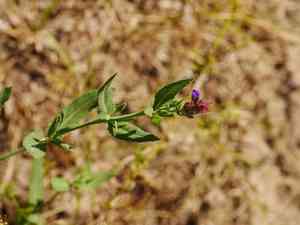
1
Maintain a soil pH level for Woodland sage between 6.5 and 7.5 to encourage best development.
2
Incorporating organic materials such as compost significantly enhances the soil's composition and water flow for Woodland sage.
3
Properly draining soil safeguards Woodland sage from root decay and other problems caused by excessive moisture.
Optimal Soil Types for Woodland Sage
Well-Draining Substrate
A crucial characteristic of soil for Woodland sage is its capacity for good drainage. This hardy perennial thrives in conditions where the soil doesn't hold too much moisture, which can lead to root decay. Proper drainage ensures water moves freely through the root zone, preventing saturation and fostering healthier root systems. Consider using sandy or loamy soil types, known for their excellent drainage. If your garden soil is heavy in clay, incorporating sand or gravel can significantly enhance its drainage.
Soil pH Requirements
Woodland sage prefers a soil pH between 6.5 and 7.5. Maintaining this slightly acidic to neutral pH ensures that essential nutrients are available for the plant's absorption. You can check your soil's pH with a home test kit or by submitting a sample to a local agricultural service. If your soil's pH is outside this range, you may need to adjust it. For example, adding lime can increase pH, while sulfur or organic matter can decrease it.
Soil Makeup
The ideal soil composition for Woodland sage combines well-draining elements with fertile components. A blend of 40% sand, 40% silt, and 20% clay is often recommended. This mixture allows for adequate drainage while still retaining sufficient moisture and nutrients. Additionally, organic materials like compost or aged manure can boost soil fertility and structure, supporting robust growth for your Woodland sage.
How to Improve Soil for Woodland Sage
Enhancing Drainage
If your garden soil doesn't naturally drain well, several steps can be taken to improve it. Mixing in coarse sand, perlite, or fine gravel can boost soil drainage. Constructing raised beds is another effective method to improve drainage, especially in areas with dense clay soils. Elevated planting zones allow excess water to escape more easily, reducing the risk of root rot.
Adding Organic Material
Incorporating organic matter is vital for improving soil health and structure. Compost, aged manure, and leaf mold are excellent choices for enriching the soil. These materials not only supply essential nutrients but also enhance the soil's ability to retain moisture and encourage beneficial microbial activity. Aim to work a 5-10 cm (2-4 inch) layer of organic matter into the top 30 cm (12 inches) of soil before planting your Woodland sage.
Adjusting Soil pH
To maintain the optimal pH range of 6.5 to 7.5, regular testing and adjustments may be necessary. If your soil's pH is too high (alkaline), adding sulfur, peat moss, or organic mulches can help lower it. Conversely, if the pH is too low (acidic), lime additions can raise it to the ideal level. It's important to make changes gradually and retest the soil periodically to avoid over-correction.
Popular Soil Blends for Woodland Sage
Commercial Soil Products
Several commercial soil mixes are suitable for cultivating Woodland sage. Look for products labeled for perennial flowers or those specifically formulated for salvias. These pre-mixed options often contain a balanced blend of organic matter, minerals, and pH adjusters, offering convenience and consistency for home gardeners.
Homemade Soil Mix Recipes
For those who prefer a hands-on approach, creating a DIY soil mix can be gratifying. A simple and effective recipe includes the following ingredients:1 part garden soil1 part coarse sand or perlite1 part compost or aged manureThis blend ensures good drainage, nutrient content, and suitable pH for Woodland sage. Mix thoroughly and adjust as needed based on your garden's specific requirements.
Common Soil Issues and Solutions for Woodland Sage
Insufficient Drainage
Poor drainage is a frequent problem that can impede the health of Woodland sage. Symptoms include yellowing leaves, stunted growth, and root rot. To improve drainage, amend the soil with coarse materials like sand and perlite. Raised beds or mounded planting areas can also alleviate waterlogging.
Nutrient Deficiencies
Nutrient deficiencies often appear as discolored or misshapen leaves and poor flowering. Regularly adding organic matter and using balanced fertilizers can address these deficiencies. Conducting a soil test can help pinpoint specific missing nutrients, allowing for targeted supplementation.
Soil-borne Pests and Diseases
Soil-borne pests and diseases can impact Woodland sage. Implement crop rotation and use disease-resistant varieties to minimize risks. Beneficial nematodes and organic fungicides can be applied to manage soil pests and pathogens effectively.



