Optimal Soil for Growing Satin pothos: What You Need to Know
1
Satin pothos flourishes most effectively in soil with a pH ranging from 6.5 to 7.5.
2
An adequately draining potting medium safeguards Satin pothos from root decay.
3
Consistent assessment of soil health guarantees peak development.
The Significance of Soil Choice for Satin Pothos
Influence on Plant Vitality
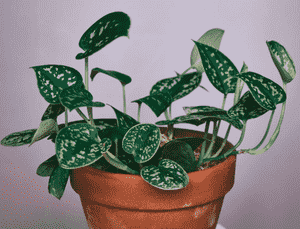
Soil forms the bedrock of plant well-being. For Satin pothos—a plant recognized for its lush, heart-shaped foliage—the selection of soil is especially critical. Appropriate soil aids in nutrient absorption, provides stability, and dictates water uptake and runoff. Subpar soil conditions can lead to yellowing leaves, arrested development, and root ailments.
Cultivation and Maturation
The correct soil type can profoundly impact your Satin pothos's growth and overall maturation. This plant flourishes in soil that offers a balance of moisture retention and effective drainage. Soil that retains excessive water can suffocate roots, while overly sandy soil can cause dehydration; both scenarios can hinder robust development.
Optimal Soil Blend for Satin Pothos
Essential Nutrients and Minerals
A well-balanced soil for Satin pothos should be rich in vital nutrients and minerals such as nitrogen, phosphorus, and potassium. These elements are crucial for photosynthesis, root expansion, and overall plant vigor. Organic materials like compost can supply these fundamental nutrients, promoting vigorous growth.
Texture and Drainage Properties
Texture and drainage are pivotal in soil composition. Satin pothos prefers a loose-textured soil that permits air circulation around the roots while also ensuring excellent water runoff. A combination of peat moss, perlite, and vermiculite provides the ideal equilibrium, preventing waterlogging, which often results in root decay.
Common Soil Mix Solutions for Satin Pothos
DIY Soil Mix Recipe
For plant enthusiasts, preparing a homemade soil blend for Satin pothos can be a satisfying endeavor. Mix equal parts perlite, peat moss, and pine bark. This blend achieves a perfect balance between drainage and moisture retention. Additionally, incorporating a small quantity of compost supplies vital nutrients.
Pre-made Potting Medium
For those who value simplicity, commercial potting mixes formulated for houseplants are an excellent choice. Seek out a well-draining mix that contains ingredients like peat moss, coco coir, and perlite. These blends are typically fortified with slow-release fertilizers, ensuring a continuous supply of nutrients.
Organic Versus Synthetic Soil Blends
The choice between organic and non-organic soil mixes can affect your plant's health. Organic mixes frequently contain natural components such as compost and bone meal, which deliver slow-release nutrients. Non-organic mixes may include synthetic additives for immediate nutrient availability. Consider your plant care preferences when making your selection.
Assessing Soil Quality for Satin Pothos
Simple At-Home Soil Evaluations
Assessing soil quality at home is a straightforward procedure. For drainage, simply irrigate the soil and observe its runoff rate. For pH, utilize a soil testing kit available at garden centers. Understanding your soil's pH helps you adjust it to the ideal range of 6.5 to 7.5 for Satin pothos.
Interpreting Soil Test Outcomes
Understanding soil test results can offer valuable insights into its condition. A slightly acidic to neutral pH (6.5 to 7.5) is perfect for Satin pothos. If the pH is imbalanced, amendments like garden lime (to increase pH) or sulfur (to decrease pH) can be beneficial. Ensure your soil has the correct nutrient balance to encourage robust growth.
Preserving Soil Health for Satin Pothos
Fertilization Recommendations
Consistent fertilization is crucial for maintaining soil vitality. Apply a balanced, water-soluble fertilizer once a month during the active growing period (spring and summer). This ensures your Satin pothos receives the necessary nutrients. During winter, reduce feeding as the plant's growth diminishes.
Soil Aeration and Consolidation
Aeration prevents soil compaction and allows roots to respire. Gently turning the surface soil or using a slender object to create holes can enhance aeration. Avoid over-watering, which can compact the soil, diminishing the air pockets vital for healthy root development.
Repotting Best Practices
Repotting is essential to refresh the soil and provide your Satin pothos more space to expand. Repot every 1-2 years, ideally in spring. Select a container slightly larger than the current one and ensure it has drainage openings. Use fresh, well-draining soil mix to support ongoing health and growth.



