Optimal Soil for Growing Rose campion: What You Need to Know
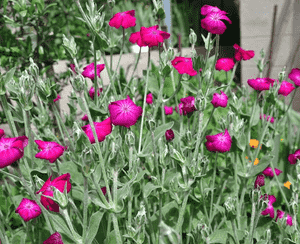
1
Ideal pH Range: Target a soil pH of 6.5 to 7.5 for Rose campion's health.
2
Soil Composition: Thrives in sandy or loamy soil with good drainage.
3
Consistently enrich the soil with organic material to sustain nutrient content.
The Importance of Soil Type for Rose Campion
Root Health and Soil
The chosen soil type is vital for the root system's well-being in Rose Campion. Healthy soil offers essential air pockets and proper drainage, enabling roots to respire and preventing decay. Well-aerated soil fosters strong root development, ensuring efficient nutrient and water uptake. Inadequate soil can lead to compressed roots and hindered growth, making initial soil selection critical.
Impact on Growth and Flowering
Rose Campion's development and bloom production are directly affected by soil quality. Rich, well-draining soil encourages robust growth and abundant blossoms. Optimal soil conditions result in this charming perennial yielding vibrant, long-lasting flowers. Conversely, poor soil can impede growth and lead to fewer, less colorful blooms.
Optimal Soil Composition for Rose Campion
Soil Texture: Sandy, Loamy, or Clay?
Sandy or loamy soil is ideal for Rose Campion. These textures provide efficient drainage, preventing water accumulation around roots, which is crucial for avoiding root rot. Sandy soil offers good aeration and rapid drainage, while loamy soil provides a balanced mix of sand, silt, and clay, offering both nutrients and air. Avoid heavy clay soils that hold too much moisture and can cause waterlogged conditions.
Nutrient Requirements
While Rose Campion is relatively low-maintenance, it benefits from a balanced blend of vital nutrients. Phosphorus aids healthy root and flower development, while nitrogen promotes lush foliage. Potassium enhances the plant's overall health and disease resistance. Incorporating organic matter, such as compost, can naturally supply these nutrients to your soil.
pH Level Recommendations
Maintaining the correct pH level is crucial for nutrient absorption in Rose Campion. Aim for a pH range of 6.5 to 7.5. This neutral to slightly acidic pH ensures optimal nutrient availability for the plant. You can test your soil's pH using a home kit or by submitting a sample to a local agricultural extension service.
Improving and Maintaining Soil for Rose Campion
Soil Preparation Before Planting
Before planting Rose Campion, proper soil preparation is essential. Begin by clearing any weeds or debris from the planting area. Loosen the soil to a depth of approximately 30 centimeters (12 inches) to enhance drainage and root penetration. If your soil is heavy clay, consider adding coarse sand or gravel to improve drainage. Mixing in organic compost can also boost soil structure and nutrient content.
Organic Amendments
Incorporating organic amendments into the soil is key to sustaining its fertility and structure. Compost is an excellent choice, enriching the soil with nutrients and improving its moisture-retention capabilities without causing waterlogging. Manure, leaf mold, and decomposed plant materials are other great options. Aim to add these amendments annually to keep the soil in prime condition for Rose Campion.
Mulching Techniques
Applying mulch around your Rose Campion plants offers several advantages. Mulch helps retain soil moisture, suppresses weeds, and adds organic matter to the soil as it breaks down. Use organic materials like straw, wood chips, or shredded leaves. Spread a 5-7.5 centimeter (2-3 inch) thick layer around the plants, keeping it a few centimeters away from the stems to prevent rot.
Common Soil Problems and Solutions for Rose Campion
Poor Drainage Issues
Poor drainage is a frequent problem that can affect Rose Campion. Symptoms include yellowing leaves and stunted growth due to waterlogged roots. To resolve this, amend the soil with coarse sand or fine gravel to improve drainage. Raised beds can also help by allowing excess water to drain more effectively.
Nutrient Deficiencies
Nutrient deficiencies can manifest as pale leaves or reduced flowering. Regularly test your soil and amend it with appropriate fertilizers or compost to ensure your Rose Campion receives the necessary nutrients. Slow-release fertilizers are a practical option to provide a steady supply of nutrients throughout the growing season.
Soil-Borne Pests and Diseases
Soil-borne pests and diseases can compromise the health of Rose Campion. Practice crop rotation and avoid planting Rose Campion in the same area for successive years. Introducing beneficial nematodes can help control soil pests naturally. Clear plant debris from your garden to reduce the risk of disease spread.
Seasonal Soil Care for Rose Campion
Spring and Summer Care
In spring and summer, focus on keeping the soil consistently moist but not saturated. Apply mulch to retain moisture and keep the soil cool. Regularly check the soil for nutrient levels and replenish as needed to support vigorous growth and blooming during these active months.
Fall and Winter Maintenance
Fall is the time to prepare your Rose Campion for the colder months. Consider adding a layer of mulch to insulate the roots from low temperatures. Reduce watering as the plant's growth slows. In winter, avoid disturbing the soil and allow it to rest, ready for the active growing season in spring.



