Optimal Soil for Growing Cup plant: What You Need to Know
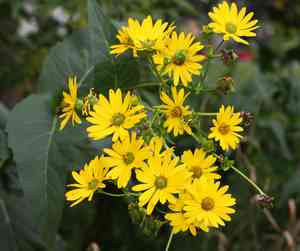
1
Provide adequate drainage: Cup plant flourishes in soil that drains effectively, preventing root decay.
2
Optimal soil acidity: Keep the soil's pH between 6.5 and 8 for best development.
3
Enhance with organic material: Incorporating compost or mature manure greatly boosts soil richness and composition.
Optimal Soil Type for Cup Plant
Loamy Soil
Loamy soil is the prime choice for Cup plant cultivation. It's a balanced mix of sand, silt, and clay, providing excellent drainage and nutrient retention. Loamy soil holds moisture without becoming waterlogged, creating an ideal root environment. This soil type also supports beneficial microorganisms crucial for plant vitality.
Sandy Soil
While not perfect, sandy soil can sustain Cup plant if properly modified. Sandy soil drains quickly, potentially leading to nutrient loss. To enhance sandy soil, incorporate organic matter like compost. This will help retain moisture and supply vital nutrients for healthy plant development.
Clay Soil
Clay soil is dense and retains water, making it less suitable for Cup plant without modification. Poor drainage can cause root rot. Improving clay soil involves adding organic matter to boost aeration and drainage. Mixing in sand or perlite can also help break up the compact soil structure, making it more suitable for Cup plant.
Preparing Soil for Cup Plant
Soil pH Testing
Before planting, use a reliable soil testing kit to check the soil pH, aiming for an optimal range of 6.5 to 8. This step is critical as pH levels influence nutrient availability. If the soil is too acidic or alkaline, it will need amendments to adjust the pH.
Amending Soil for Drainage
Proper drainage is crucial for Cup plant health. To achieve this, consider enriching the soil with organic matter, sand, or perlite. These additions help create a looser soil structure, allowing excess water to drain while retaining sufficient moisture for the plant's needs.
Adding Organic Matter
Incorporating organic matter such as compost or well-rotted manure into the soil improves its fertility and structure. Organic matter enhances soil aeration, water retention, and nutrient content, fostering a supportive environment for Cup plant roots. Spread a layer of organic matter over the soil and work it into the top 15-20 cm (6-8 inches).
Ideal Soil pH for Cup Plant
Importance of pH
Soil pH significantly impacts nutrient accessibility for plants. For Cup plant, a pH range of 6.5 to 8 ensures that essential nutrients like nitrogen, phosphorus, and potassium are readily available. A pH imbalance can prevent these nutrients from being absorbed, hindering plant growth.
Adjusting Soil pH
If soil pH requires adjustment, amendments can be added. To increase pH (reduce acidity), apply agricultural lime. To decrease pH (reduce alkalinity), use sulfur or aluminum sulfate. Always follow manufacturer instructions and retest the soil pH after a few weeks to confirm desired levels are reached.
Maintaining Soil Health for Cup Plant
Mulching
Applying a layer of mulch around Cup plant helps conserve soil moisture, regulate temperature, and suppress weeds. Organic mulches like straw, leaves, or wood chips decompose over time, returning valuable nutrients to the soil and improving its structure.
Soil Aeration
Aerating the soil helps improve its structure by breaking up compacted areas, enhancing water penetration, and allowing roots to breathe. This can be done by manually turning the soil or using a garden fork or aerator tool. Regular aeration promotes strong root development and overall plant vitality.
Consistent Testing and Monitoring
Regularly monitoring soil health is essential for maintaining optimal conditions for Cup plant. Periodically test soil pH and nutrient levels to detect any deficiencies early. Adjusting soil amendments based on test results ensures your plants receive the necessary nutrients for healthy growth.
Common Soil Issues and Solutions for Cup Plant
Poor Drainage
Inadequate drainage can lead to waterlogged soil and root rot. To alleviate this, amend the soil with organic matter, sand, or perlite to improve drainage. Raised beds or planting on slopes can also help facilitate water movement and prevent pooling around plant roots.
Nutrient Deficiencies
A lack of essential nutrients can hinder Cup plant growth. Regular soil testing helps identify deficiencies. Supplement the soil with balanced fertilizers or specific nutrient amendments based on test results. Organic options include compost, aged manure, or plant-specific organic fertilizers.
Soil Erosion
Soil erosion can deplete valuable topsoil, resulting in nutrient loss. Prevent erosion by planting cover crops or ground covers, applying mulch, and adopting no-till gardening practices. These methods protect soil structure and maintain a healthy growing surface for Cup plant.



