Optimal Soil for Growing Spinach: What You Need to Know
1
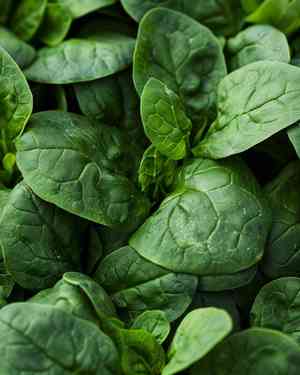
Spinach flourishes in soil that drains effectively and is abundant in organic material.
2
Spinach grows best in soil with a pH level ranging from 6.5 to 7.5.
3
Adequate drainage is essential to avoid root rot in Spinach.
Optimal Soil Types for Spinach Cultivation
Soil Composition and Texture
For cultivating robust and flourishing Spinach, the soil's composition and feel are paramount. The most suitable soil for Spinach is loose, friable, and drains effectively. This enables roots to easily penetrate and access vital nutrients and moisture. Sandy loam or loamy soil types are ideal for Spinach, offering a balance of good drainage and adequate nutrient retention. Avoid dense clay soils, which can become waterlogged and compressed, hindering root development and potentially causing plant diseases.
Preferred Soil pH for Spinach
Maintaining the correct soil pH is crucial for Spinach's optimal development. The ideal pH range for Spinach soils falls between 6.5 and 7.5. This slightly acidic to neutral pH range ensures that essential nutrients are readily available for plant absorption. To ascertain your soil's pH, utilize a basic pH testing kit obtainable at garden centers. If the soil is excessively acidic (below 6.5), agricultural lime can be added to elevate the pH. Conversely, if the soil is too alkaline (above 7.5), sulfur or organic materials like compost can be employed to reduce the pH.
Preparing Soil for Spinach Planting
Soil Analysis Procedures
Prior to planting Spinach, it's important to analyze your soil to understand its current nutrient content and pH levels. You can either use a home soil test kit or submit a sample to a local extension service for a comprehensive analysis. Testing provides valuable insights into what amendments might be necessary to optimize the soil for Spinach growth. Follow the instructions provided with your test kit to collect a proper soil sample, which typically involves taking a small amount of soil from various spots in your garden.
Soil Amendment Strategies
After testing your soil, you may need to make some adjustments to enhance its suitability for Spinach. If the soil lacks nutrients, consider incorporating organic matter such as compost, well-decomposed manure, or vermicompost. These additions not only supply essential nutrients but also improve soil structure and drainage. For specific nutrient deficiencies, you can use targeted fertilizers; for instance, a balanced 10-10-10 (N-P-K) fertilizer can be beneficial if the soil is deficient in nitrogen, phosphorus, and potassium.
Effective Drainage Methods
Ensuring proper drainage is vital to prevent waterlogging, which can lead to root rot and other issues in Spinach. If your soil is heavy and prone to retaining water, consider mixing in sand or fine gravel to improve drainage. Raised beds are another excellent method to enhance drainage for Spinach. Construct raised beds by mounding the soil or building a frame and filling it with a rich, well-draining soil mix. Elevated beds help excess water move away from plant roots, reducing the risk of waterlogging.
Nutrient Requirements for Spinach Soil
Key Nutrients
Spinach is a nutrient-rich leafy vegetable, meaning it also demands nutrient-dense soil for peak growth. Essential nutrients include nitrogen, which promotes foliage development, phosphorus for root formation, and potassium for overall plant vitality. Regularly incorporating a balanced fertilizer or organic amendments can help maintain adequate nutrient levels. Be cautious of over-fertilization, which can lead to nutrient imbalances and potential plant damage.
Organic Matter Incorporation
Integrating organic matter into the soil not only provides vital nutrients but also enhances soil structure and moisture retention. Organic materials such as compost, aged manure, leaf mold, and green manure crops are excellent choices. These materials decompose over time, gradually releasing nutrients and supporting soil microbial activity. For best results, incorporate organic matter into the soil at least a few weeks before planting Spinach, allowing it to break down and enrich the soil.
Common Soil Issues and Solutions for Spinach
Detecting Soil Compaction
Soil compaction can be a significant problem for Spinach as it restricts root growth and water penetration. Indicators of compacted soil include stunted plant development and poor drainage. To identify compaction, perform a simple test by inserting a garden fork or spade into the soil. If it's difficult to penetrate, your soil is likely compacted. To alleviate compaction, consider aerating the soil with a garden fork or using a mechanical aerator. Additionally, adding organic matter can help break up dense soils and improve aeration.
Managing Soil Salinity
Excessive soil salinity can harm Spinach by impeding water uptake and causing leaf burn. High salt levels can result from over-fertilization or improper irrigation practices. To manage soil salinity, ensure appropriate irrigation by using water that is low in salts and avoiding over-watering. Periodically leach the soil by applying excess water to flush out accumulated salts. Mulching with organic matter can also help by reducing evaporation and minimizing salt buildup at the soil surface.



