Optimal Soil for Growing Japanese meadowsweet: What You Need to Know
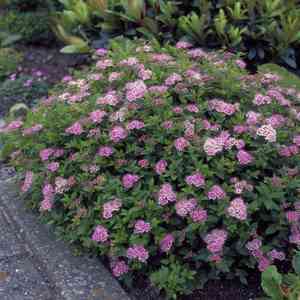
1
The optimal soil acidity for Japanese meadowsweet ranges from 6.5 to 7.5.
2
Japanese meadowsweet flourishes in soil that drains effectively, comprising loam and sand.
3
Adding organic materials such as compost can greatly enhance the soil's richness for Japanese meadowsweet.
What Soil Type Does Japanese meadowsweet Prefer?
Soil Makeup
To establish the ideal setting for Japanese meadowsweet, concentrate on a balanced soil composition. This plant flourishes in a blend of loamy and sandy soils. Loam is perfect as it combines clay, silt, and sand in nearly equal parts, offering good drainage, nutrient availability, and air circulation. Sandy soils, when mixed with loam, ensure water doesn't collect around roots, preventing issues like root rot.
Soil pH Levels
Japanese meadowsweet favors slightly acidic to neutral soils, with a pH range of 6.5 to 7.5. Maintaining this pH range is vital for optimal nutrient absorption and plant vitality. To adjust pH, you can amend the soil with sulfur to lower it or lime to raise it. Regular soil analyses can help you track pH levels and keep them within the desired range.
Drainage Capabilities
Excellent drainage is crucial for Japanese meadowsweet. Soil that holds too much moisture can lead to waterlogged conditions, negatively impacting the plant's root system. To enhance drainage, you can incorporate coarse sand or fine gravel into the soil. Raised beds or mounded planting areas can also improve water runoff and prevent moisture accumulation around the roots.
How to Improve Soil for Japanese meadowsweet
Organic Material
Adding organic matter is an excellent method to enhance soil structure and fertility for Japanese meadowsweet. Organic materials like compost, well-rotted manure, or leaf mold can boost soil aeration, moisture retention, and nutrient content. Aim to mix 2-4 inches (5-10 cm) of organic matter into the top 12 inches (30 cm) of soil before planting.
Inorganic Additives
Inorganic additives can also play a key role in preparing soil for Japanese meadowsweet. Elements such as perlite, vermiculite, and sand can improve soil drainage and aeration. Gypsum is beneficial for breaking up compacted clay soils without altering the pH. Carefully blend these amendments into the existing soil to create a well-draining and nutrient-rich environment.
How to Test Soil for Japanese meadowsweet
Soil Testing Kits
Utilizing a soil testing kit is a straightforward and effective way to determine your soil's current pH and nutrient levels. These kits are readily available at garden centers and hardware stores. Follow the instructions carefully, collecting soil samples from various parts of your planting area for a thorough analysis.
Interpreting Test Results
Once you have your soil test results, it's time to understand them. Look for key indicators such as pH level, nitrogen, phosphorus, and potassium content. Based on these results, you can make informed decisions on soil amendments and pH adjustments. For instance, if your soil is too acidic or alkaline, you can add lime or sulfur to balance the pH.
Maintaining Soil Health for Japanese meadowsweet Over Time
Regular Soil Analysis
To ensure the long-term health and productivity of your Japanese meadowsweet, conduct regular soil tests. Annual testing in early spring can help you stay informed about pH and nutrient levels, allowing for timely adjustments. Consistent monitoring ensures your soil remains healthy and supportive of plant growth.
Seasonal Soil Adjustments
In addition to annual soil tests, seasonal amendments can support the health of Japanese meadowsweet. Spring and fall are ideal times for adding compost or slow-release fertilizers to replenish nutrients depleted during the growing season. Tailor your amendments based on your soil test results to provide the precise nutrients your plants require.
Mulching Practices
Mulching is an effective method to maintain soil moisture, prevent weed growth, and regulate soil temperature for Japanese meadowsweet. Organic mulches such as wood chips, straw, or shredded leaves are excellent choices. Apply a 2-3 inch (5-8 cm) layer around the base of the plants, ensuring the mulch doesn't directly touch the stems to prevent rot.



