Optimal Soil for Growing Bird of paradise: What You Need to Know
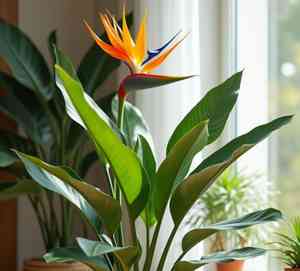
1
Bird of paradise flourishes optimally in soil that is mildly acidic to neutral, with a pH range of 6.5 to 7.5.
2
Adding perlite to your soil blend is an excellent method to guarantee adequate drainage for Bird of paradise.
3
Avoid excessive watering; Bird of paradise prefers its root system to become dry between irrigation sessions.
Grasping Soil Requirements for Bird of Paradise
Significance of Soil Selection
Selecting the appropriate soil for your Bird of paradise is vital for its overall vitality and development. Unlike some other indoor plants, the Bird of paradise has specific demands that, if not satisfied, can hinder its progress. Suboptimal soil choices can lead to excessive moisture, nutrient deficiencies, and even root decay. Therefore, comprehending the plantâs soil necessities is the initial step toward ensuring a flourishing plant.
Fundamental Soil Makeup
The basic soil composition for Bird of paradise involves a blend that promotes excellent air circulation, drains effectively, and is rich in nutrients. Typical soil mixtures might incorporate elements such as compost for nourishment, sand or perlite for drainage, and peat moss or coconut coir for moisture retention. These components collaborate to create an environment that emulates the plantâs native tropical habitat, providing the necessary balance of moisture and air for the roots.
Elements of Optimal Soil for Bird of Paradise
Well-Draining Substrate
A primary characteristic of the ideal soil for Bird of paradise is superior drainage. This plant dislikes sitting in water, and inadequate drainage can result in root rot. Incorporating materials like perlite, sand, or fine gravel can significantly enhance the drainage capabilities of your soil mix. These additions create air pockets within the soil, allowing water to pass through rapidly and preventing waterlogging.
Nutrient-Dense Mixture
A soil mix abundant in nutrients is indispensable for the Bird of paradise. Adding organic matter such as compost or well-rotted manure enriches the soil with essential nutrients vital for robust growth and vibrant blooms. You can also include slow-release fertilizers, which will provide a consistent supply of nutrients over time, reducing the need for frequent feeding.
pH Level Considerations
Soil pH is another critical factor to take into account. The Bird of paradise thrives in slightly acidic to neutral soils, with an optimal pH range of 6.5 to 7.5. Maintaining the correct pH level ensures that the plant can efficiently absorb nutrients. You can assess your soilâs pH using a home testing kit, and adjust it as needed. Lime can be added to increase the pH, while sulfur or peat moss can decrease it.
Crafting the Best Soil Mix for Bird of Paradise
Amending Commercial Potting Soil
An effortless method to create an optimal soil mix for your Bird of paradise is by starting with premium, commercially available potting soil and enhancing it with specific amendments. For instance, you can combine one part potting soil with one part perlite and one part compost. This combination ensures that your soil is well-draining, nutrient-rich, and possesses excellent aeration, fostering healthy root development.
Homemade Soil Mix Recipe
If you prefer a hands-on approach, you can formulate your own DIY soil mix. A suitable recipe includes:2 parts peat moss or coconut coir for moisture retention1 part perlite or coarse sand for improved drainage1 part compost or well-rotted manure for nutrients Thoroughly blend these ingredients, ensuring they are well-integrated to provide a balanced environment for your Bird of paradise. This mix will assist in delivering the correct levels of moisture, aeration, and nutrients.
Sustaining Healthy Soil for Bird of Paradise
Regular Soil Aeration
Soil aeration is crucial for keeping the roots of your Bird of paradise healthy and oxygenated. Over time, soil can become compacted, diminishing its ability to drain effectively and restricting root growth. Periodically loosening the soil with a fork or aerator can help maintain good aeration. This simple practice will ensure that the roots have access to the oxygen they require, promoting more vigorous growth.
Fertilization Advice
Properly fertilizing your Bird of paradise is essential for sustaining its lush foliage and abundant blooms. Apply a balanced, water-soluble fertilizer every two weeks during the active growing season (spring and summer). Reduce fertilization during the autumn and winter months when the plant's growth naturally slows. Over-fertilization can harm your plant, so always adhere to the recommendations on the fertilizer packaging.
Monitoring Soil pH and Moisture Levels
Keeping a close watch on soil pH and moisture levels is vital for preserving the health of your Bird of paradise. Regularly test the soil pH to ensure it remains within the 6.5 to 7.5 range. Moisture levels can be monitored using a moisture meter or simply by feeling the soil. Always allow the soil to dry out slightly between waterings to prevent root rot. Adjust your watering schedule based on the soil's moisture content, the season, and the plant's specific requirements.



