Optimal Soil for Growing Garden thyme: What You Need to Know
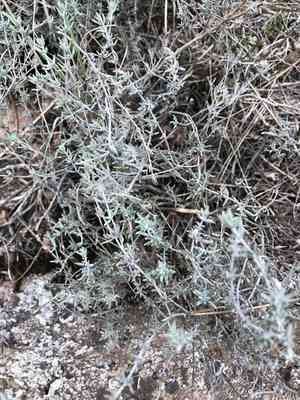
1
Thyme plants flourish in sandy loam that drains effectively, preventing root decay.
2
Maintain a soil pH level between 6.5 and 7.5 to encourage the best growth for your thyme.
3
Enhancing soil with organic materials like compost can boost its quality for growing thyme.
Optimal Soil Type for Garden Thyme Cultivation
Sandy Loam Composition
For robust and thriving Garden thyme, your choice of soil is paramount. Sandy loam is highly recommended due to its ideal properties. This soil type offers a light, aerated structure that facilitates root expansion and respiration. It also maintains sufficient moisture for the plant's needs while ensuring excellent drainage, thereby preventing waterlogging which can lead to root issues. To achieve sandy loam, you can blend sand into your existing garden soil, improving both its texture and drainage capabilities.
Adequate Drainage
Garden thyme is extremely sensitive to overly saturated soil conditions. For optimal growth, well-drained soil is essential. Waterlogged environments can cause root rot and various plant diseases. Incorporating raised beds or adding organic compost can significantly enhance drainage. Mixing gravel or sand into garden soil can also promote better aeration. Remember, thyme flourishes in soil that allows water to pass through quickly, so avoid overly dense or heavy soil compositions.
Soil Acidity and Alkalinity
Garden thyme thrives in a pH range that is slightly neutral to moderately alkaline, typically between 6.5 and 7.5. Maintaining appropriate pH levels is critical as it directly impacts the plant's ability to absorb vital nutrients. You can utilize a home soil test kit to determine your soil's pH and then adjust it as necessary. If your soil is excessively acidic, adding lime can help raise the pH. Conversely, if it's too alkaline, elements like sulfur or organic materials such as pine needles can help lower it.
Strategies for Enhancing Soil for Garden Thyme
Incorporating Organic Amendments
Improving soil quality for Garden thyme can be effectively achieved by adding organic matter. Materials like compost, well-aged manure, or leaf mold introduce essential nutrients, enhance soil structure, and stimulate beneficial microbial activity, all of which are advantageous for thyme plants. Blend these materials into the upper soil layers before planting to create a fertile growing medium. Applying organic mulch around the plants can also help retain moisture and contribute nutrients as it decomposes.
Preventing Excessive Moisture
To maintain healthy Garden thyme, it is vital to prevent waterlogged conditions. Ensure your garden plot or containers have effective drainage. If planting in pots, verify they have drainage holes at the base. Raised beds can also improve drainage in garden soils that tend to hold too much water. Regular monitoring of soil moisture can help prevent overwatering; allow the top few inches of soil to dry out completely before re-irrigating.
Modifying Soil pH
Achieving the correct soil pH is crucial for the vitality of Garden thyme. If your soil's pH is outside the ideal range (6.5-7.5), adjustments are necessary. To increase the pH of acidic soil, ground limestone is typically the preferred amendment. For overly alkaline soil, you can decrease the pH by incorporating sulfur or organic materials like peat moss. It's good practice to retest the soil pH several weeks after making adjustments to confirm it has reached the desired level.
Typical Soil Issues Affecting Garden Thyme
Densely Packed Soil
Compacted soil presents a significant challenge for Garden thyme by hindering root development and impeding water percolation. To mitigate compacted soil, consider aeration through tilling or by using a garden fork to loosen the soil structure. Introducing organic matter can also improve soil texture, facilitating easier root penetration and access to nutrients and water.
Nutrient-Deficient Soil
Soil lacking vital nutrients can impede the growth of Garden thyme. To address this, regularly incorporate well-decomposed compost or organic fertilizers into your soil. These amendments provide a sustained release of nutrients, promoting robust plant development. Performing a soil test can also help pinpoint specific nutrient deficiencies, enabling more targeted remediation efforts.
Excessively Alkaline or Acidic Soil
Soil that is either too alkaline or too acidic can be detrimental to Garden thyme. Overly alkaline soil can lead to nutrient unavailability, preventing the plant from absorbing essential elements. To rectify this, organic matter like compost or soil sulfur can be added to help balance the pH. Conversely, if the soil is excessively acidic, lime can be used to elevate the pH. Regular soil testing enables timely corrections and ensures the plants remain in an optimal growth environment.
Common Questions Regarding Garden Thyme Soil
Can Thyme Thrive in Clay Soil?
Cultivating Garden thyme in clay soil can be difficult due to its poor drainage and dense nature. However, it is achievable with modifications. Adding sand and organic matter to clay soil can enhance its structure, making it more conducive for thyme. Alternatively, planting thyme in raised beds or containers filled with well-draining soil can yield superior results.
What is the Recommended pH Testing Frequency?
Consistent soil pH testing is essential for maintaining optimal growing conditions for Garden thyme. It's advisable to test your soil at least once annually, ideally before the start of the growing season. If you implement any amendments to alter the soil pH, re-testing after a few weeks can confirm that the adjustments have been effective.
Is Mulching Advantageous for Garden Thyme?
Mulching can be quite beneficial for Garden thyme. Mulch aids in preserving soil moisture, suppressing weed growth, and contributing organic matter to the soil as it decomposes. Utilize a light mulch such as straw or shredded leaves to prevent matting, which could otherwise hinder water and air circulation to the roots.



