Optimal Soil for Growing Sky plant: What You Need to Know
1
Sky plant flourishes without conventional earth, due to its air-plant characteristics.
2
Provide frequent sprayings to preserve suitable moisture conditions for Sky plant.
3
Sky plant may be attached to various substrates such as timber or tree bark for ideal development.
Is Soil Necessary for Sky Plants?
Understanding Epiphytic Characteristics
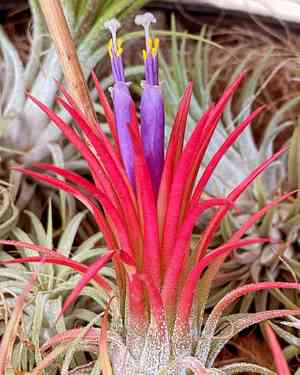
The Sky plant is an epiphyte, meaning it naturally thrives on other plants or surfaces rather than in dirt. This distinct feature enables it to take in moisture and nutrients from the atmosphere via its foliage. In its native habitat, the Sky plant adheres to trees or rocks, benefiting from air currents and occasional rainfall.
Natural Environment and Soil-Free Cultivation
In its natural environment, the Sky plant is found in tropical and subtropical zones, flourishing in the air without any substrate. These plants have evolved to prosper in these conditions by relying on abundant air circulation and minimal direct sun exposure. They acquire nutrients from decaying organic matter that accumulates around them, making them highly suitable for soil-less growth in home settings.
Optimal Soil Alternatives for Sky Plants
Airflow and Mounting Solutions
Since Sky plants do not require soil, it's vital to ensure excellent air circulation. You can affix your Sky plant to various surfaces such as driftwood, stones, or even in creative suspended displays. These supports not only offer the necessary stability but also facilitate proper airflow around the plant, which is critical for its vitality.
Utilizing Moss and Bark for Support
Moss and bark are superb substitutes for soil when providing support to Sky plants. Spanish moss or orchid bark can be employed to stabilize the plant, especially for those exhibited vertically or in hanging arrangements. These substances mimic the natural conditions of the Sky plant's native habitat and help retain just the right amount of moisture without becoming overly saturated.
Hydroponic Systems for Sky Plants
While not commonly employed, hydroponic systems can be an innovative method for cultivating Sky plants. A hydroponic setup allows the roots to be exposed to nutrient-rich water, and since Sky plants absorb nutrients through their leaves, ensure the foliage remains exposed to the air. However, this approach demands careful oversight of water quality and nutrient concentrations.
Moisture and Nutritional Requirements Without Soil
Frequent Misting and Humidity Management
To fulfill its moisture needs, Sky plants should be misted regularly. Depending on your climate, misting every two to three days might be adequate. If you are in a particularly arid environment, consider placing a humidifier nearby or grouping your Sky plants to create a more humid microclimate.
Fertilizing Sky Plants
Feeding Sky plants with a balanced, water-soluble fertilizer once a month is advisable, especially during the active growth period. Dilute the fertilizer to half its recommended strength to prevent nutrient burn. You can also use a specialized air plant fertilizer to ensure all specific nutritional demands are met.
Common Errors in Sky Plant Care
Over-watering Problems
One of the frequent errors in Sky plant care is excessive watering. Unlike many other indoor plants, Sky plants lack soil to assist in regulating water uptake. Too much water can lead to decay. Instead of submerging, try light misting and ensure the plant dries within a few hours.
Insufficient Air Movement
Inadequate air circulation can lead to fungal and mold development on your Sky plant. Ensure they are positioned in a well-ventilated area. Avoid confined spaces and periodically relocate the plant to different spots to provide varying air conditions.
Poor Illumination Conditions
Another common mistake is placing the Sky plant in suboptimal light conditions. They prefer bright, indirect illumination. Excessive direct sunlight can scorch the leaves, while too little light can impede growth. A location near a well-lit window with filtered sunlight is perfect.
Expert Advice for Flourishing Sky Plants
Optimal Home Placement
Locating the ideal spot in your home for your Sky plant is essential. Bathrooms and kitchens can be excellent areas due to their naturally higher humidity levels. Ensure they are kept away from direct drafts, such as those from air conditioners or heaters.
Seasonal Care Adjustments
Adapt your care routines as the seasons change. During the colder months, when indoor heating can dry the air, increase the frequency of mistings, and ensure they still receive sufficient light. In the warmer months, you might need to move them to a slightly more shaded spot if they are getting too much direct sunlight.



