Optimal Soil for Growing Asiatic jasmine: What You Need to Know
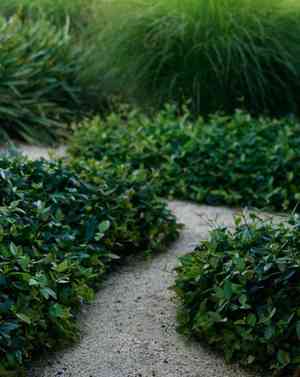
1
Asiatic jasmine flourishes in permeable, loamy earth with a pH ranging from mildly acidic to neutral (6.5-7.5).
2
Consistent soil analysis aids in preserving optimal soil environments, guaranteeing your Asiatic jasmine obtains essential nourishment.
3
Incorporating organic material into the soil can significantly enhance its composition, water flow, and nutrient levels.
Optimal Ground Mixture for Asiatic Jasmine
Loamy Soil Advantages
Loamy soil is considered the ultimate medium for many plants, including Asiatic jasmine. This soil type is a balanced blend of sand, silt, and clay, providing excellent drainage and fertility â two crucial elements for robust plant development. Loam holds moisture without becoming waterlogged and ensures proper aeration, which is particularly vital for the root system of Asiatic jasmine.
Significance of Soil pH
Your soil's pH level greatly influences nutrient availability to plants. Asiatic jasmine thrives in a slightly acidic to neutral pH range of 6.5 to 7.5. Soils that are excessively acidic or alkaline can impede the absorption of essential nutrients, leading to poor plant health. Regular soil pH checks are advised to maintain ideal conditions for Asiatic jasmine.
Nutrient Requirements
Nutrients are the fundamental components for plant vitality. Asiatic jasmine needs a balanced supply of primary nutrients â nitrogen (N), phosphorus (P), and potassium (K) â along with secondary nutrients like calcium, magnesium, and sulfur. Organic matter, such as compost or well-rotted manure, can enhance soil fertility and keep nutrient levels balanced.
How to Improve Soil for Asiatic Jasmine
Enhancing Soil Drainage
Good drainage is crucial for Asiatic jasmine. To improve soil drainage, consider mixing sand, perlite, or fine gravel into your soil. Raised garden beds can also be an effective solution, as they prevent water from accumulating around the plant roots, reducing the risk of root rot.
Adjusting Soil pH
Adjusting soil pH may require modifications based on your soil test results. To raise soil pH (make it more alkaline), you can add agricultural lime. Conversely, to lower soil pH (make it more acidic), incorporate sulfur or organic matter, such as pine needles or peat moss. Consistent testing and minor adjustments can help maintain the perfect pH balance needed for Asiatic jasmine.
Incorporating Organic Matter
Adding organic matter to the soil can significantly improve its structure and fertility. Compost, aged manure, and leaf mold are excellent choices. They not only enhance soil aeration and water retention but also provide a slow-release source of nutrients, ensuring your Asiatic jasmine remains nourished throughout the growing season.
Common Soil Issues and Solutions for Asiatic Jasmine
Compacted Soil
Compacted soil can severely impede root growth and water penetration. To address this issue, you can aerate the soil using a garden fork or specialized aerating tool. Incorporating organic matter will also help break up compacted particles and improve soil texture.
Soil Erosion
Soil erosion can deplete vital topsoil, leading to poor plant growth. To prevent erosion, consider using ground covers, mulches, or building terraces on slopes. Planting Asiatic jasmine on gentle slopes can also help stabilize the soil with its extensive root system.
Nutrient Deficiency
Signs of nutrient deficiency include yellowing leaves, stunted growth, and poor flowering. Conduct a soil test to identify lacking nutrients and amend the soil accordingly. Fertilizers, either synthetic or organic, can replenish missing nutrients and encourage robust growth of Asiatic jasmine.
Tips for Maintaining Optimal Soil Conditions for Asiatic Jasmine
Regular Soil Analysis
Consistent soil testing is essential for maintaining optimal growing conditions. Aim to test your soil at least once a year to monitor pH levels and nutrient content. This proactive approach allows you to make informed adjustments, ensuring that your Asiatic jasmine continues to thrive.
Mulching Practices
Mulching offers multiple benefits for Asiatic jasmine. Applying a 5-10 cm (2-4 inch) layer of organic mulch such as wood chips or straw helps retain soil moisture, regulate soil temperature, and suppress weeds. Additionally, as the mulch decomposes, it adds organic matter back into the soil.
Seasonal Soil Care
Seasonal soil care ensures that your Asiatic jasmine receives the attention it needs throughout the year. In spring, add compost or organic fertilizers to replenish nutrients. During the growing season, keep an eye on soil moisture levels and adjust your watering schedule as necessary. Fall is an excellent time for deep soil aeration and adding a fresh layer of mulch to prepare for winter.



